Beekman 1802 Oh! Mega Milk Fermented Barrier Boosting Facial Oil Versus Danné Montague-King (DMK) Herbal Pigment
This barrier-repair oil is formulated around Niacinamide and Tetrahexyldecyl Ascorbate to strengthen the skin barrier.
This brightening oil is formulated around Glycine Soja Oil and Rosa Canina Fruit Oil to fade the look of dark spots and calm redness.

What's inside
What's inside
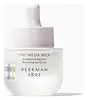 Key Ingredients
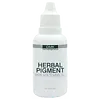
No key ingredients
Benefits
Concerns
Ingredients Side-by-side
Water
Skin ConditioningCaprylic/Capric Triglyceride
Masking


Cocos Nucifera Oil
Masking






Helianthus Annuus Seed Oil
Emollient
Polyglyceryl-3 Polyricinoleate
Emulsifying
Simmondsia Chinensis Seed Oil
Emollient
Candida Bombicola/Glucose/Methyl Rapeseedate Ferment
AntimicrobialOlea Europaea Fruit Oil
Masking
Argania Spinosa Kernel Oil
Emollient


Angelica Gigas Root Extract
Skin ConditioningLithospermum Erythrorhizon Root Extract
Skin ConditioningGlycyrrhiza Uralensis Root Extract
Skin Conditioning
Tetrahexyldecyl Ascorbate
Antioxidant




Niacinamide
Smoothing


Caprae Lac
Skin ConditioningTocopherol
Antioxidant
Rosmarinus Officinalis Leaf Extract
AntimicrobialAcetyl Zingerone
Antioxidant
Diisostearoyl Polyglyceryl-3 Dimer Dilinoleate
Emollient
Magnesium Sulfate
Phenylpropanol
Masking
Ethylhexylglycerin
Skin ConditioningWater, Caprylic/Capric Triglyceride, Cocos Nucifera Oil, Helianthus Annuus Seed Oil, Polyglyceryl-3 Polyricinoleate, Simmondsia Chinensis Seed Oil, Candida Bombicola/Glucose/Methyl Rapeseedate Ferment, Olea Europaea Fruit Oil, Argania Spinosa Kernel Oil, Angelica Gigas Root Extract, Lithospermum Erythrorhizon Root Extract, Glycyrrhiza Uralensis Root Extract, Tetrahexyldecyl Ascorbate, Niacinamide, Caprae Lac, Tocopherol, Rosmarinus Officinalis Leaf Extract, Acetyl Zingerone, Diisostearoyl Polyglyceryl-3 Dimer Dilinoleate, Magnesium Sulfate, Phenylpropanol, Ethylhexylglycerin
Glycine Soja Oil
Emollient
Linum Usitatissimum Seed Oil
Perfuming
Gadi Iecur Oil
Emollient
Avena Sativa Kernel Oil
Skin Conditioning
Rosa Canina Fruit Oil
Emollient
Candida Bombicola/Glucose/Methyl Rapeseedate Ferment
AntimicrobialSclerocarya Birrea Seed Oil
Humectant
Olea Europaea Fruit Oil
Masking
Helianthus Annuus Seed Oil
Emollient
Adansonia Digitata Seed Oil
Emollient
Ximenia Americana Seed Oil
Emollient
Argania Spinosa Kernel Oil
Emollient
Angelica Gigas Root Extract
Skin ConditioningLithospermum Erythrorhizon Root Extract
Skin ConditioningGlycyrrhiza Uralensis Root Extract
Skin Conditioning
Cymbopogon Flexuosus Oil
Masking
Citrus Sinensis Peel Oil Expressed
Perfuming

Lavandula Angustifolia Oil
Masking
Linalool
Perfuming
Citral
Perfuming
Limonene
Perfuming
Glycine Soja Oil, Linum Usitatissimum Seed Oil, Gadi Iecur Oil, Avena Sativa Kernel Oil, Rosa Canina Fruit Oil, Candida Bombicola/Glucose/Methyl Rapeseedate Ferment, Sclerocarya Birrea Seed Oil, Olea Europaea Fruit Oil, Helianthus Annuus Seed Oil, Adansonia Digitata Seed Oil, Ximenia Americana Seed Oil, Argania Spinosa Kernel Oil, Angelica Gigas Root Extract, Lithospermum Erythrorhizon Root Extract, Glycyrrhiza Uralensis Root Extract, Cymbopogon Flexuosus Oil, Citrus Sinensis Peel Oil Expressed, Lavandula Angustifolia Oil, Linalool, Citral, Limonene
Reviews
Ingredients Explained
These ingredients are found in both products.
Ingredients higher up in an ingredient list are typically present in a larger amount.
We don't have a description for Angelica Gigas Root Extract yet.
You may know this ingredient as argan oil. It has emollient and skin conditioning properties that help soften skin and reinforce the lipid barrier.
The fatty acid profile of argan oil is roughly 45-55% oleic acid, 28-36% linoleic acid, 10-15% palmitic acid, and 5-7% stearic acid. It also contains vitamin E, sterols, squalene, and polyphenols like ferulic acid.
Two clinical studies in postmenopausal women found that applying argan oil for 60 days significantly improved skin elasticity and moisturization (reduced transepidermal water loss and increased epidermal water content).
Since it is high in oleic and linoleic acid, this ingredient may not be fungal acne safe. Both of these fall in the C11-C24 range that Malassezia yeast can metabolize.
Learn more about Argania Spinosa Kernel OilThis ingredient is a biosurfactant ferment made when the yeast Candida bombicola ferments glucose plus methyl rapeseedate. This kind of ferment is best known for producing sophorolipids (a family of glycolipid biosurfactants) which brands use as mild cleansing agents.
What it does;
Lab work on purified acidic sophorolipids suggests they can be less cytotoxic/irritating in skin-model testing than a common harsh surfactant (SLES) at the tested conditions.
By the way, the final cosmetic ingredient does not contain live yeast. It’s a processed fermentation-derived ingredient.
Learn more about Candida Bombicola/Glucose/Methyl Rapeseedate FermentGlycyrrhiza Uralensis Root Extract comes from Chinese licorice. This plant is native to Asia and used in Chinese traditional medicine. Chinese licorice root contains antioxidants and polysaccharides.
Antioxidants may help with anti-aging by neutralizing free-radical molecules. Polysaccharides help moisturize the skin due to their ability to mimic our natural skin barrier.
Helianthus Annuus Seed Oil is a plant oil derived from the seeds of a sunflower.
It is rich in fatty acids, primarily linoleic acid and oleic acid. This gives it emollient and skin conditioning properties.
The reason this ingredient is so effective is because it forms a thin film on the skin that reduces transepidermal water loss (TEWL) while supplying linoleic acid to the stratum corneum to improve barrier strength.
The high linoleic acid content is particularly noteworthy for acne-prone skin.
Research suggests that acne-prone skin tends to be deficient in linoleic acid in sebum. Topical application may help replenish this to support a healthier follicular environment and less comedone-promoting sebum.
One randomized study found sunflower seed oil preserved skin barrier integrity in adult volunteers with and without atopic dermatitis (outperforming olive oil).
This ingredient is well-studied, gentle, and an effective emollient suitable for most skin types.
On fungal acne: This ingredient may not be Fungal acne (Malassezia folliculitis) safe. This is because it contains fatty acids with carbon chain lengths in the C11-C24 range.
Learn more about Helianthus Annuus Seed OilLithospermum Erythrorhizon Root Extract comes from the roots of the Lithospermumerythrorhizon plant, or the purple gromwell plant.
Studies show this root extract has anti-inflammatory properties and protects against oxidative stress. It also displayed UV absorption capability and protection against UV-B damage. However, it should not replace your sunscreen.
The dried roots of this plant are used in traditional Chinese and Japanese medicine due to its antiviral properties.
Learn more about Lithospermum Erythrorhizon Root ExtractThis ingredient is also known as olive oil. It has been used in skincare for centuries and science largely backs up its reputation as a nourishing emollient.
The main components of olive oil are oleic acid (55-83%), linoleic acid (3.5-20%), and palmitic acid (7-20%). Oleic acid promotes skin regeneration and helps regulate inflammatory responses.
Squalene is also naturally present in olive oil and exhibits moisturizing and antioxidant properties.
The polyphenols in olive oil also show anti-aging promise; one clinical study found a measurable improvement in skin appearance after 30 days of topical serum use.
Just be aware that applying olive oil directly to skin can weaken the barrier and cause redness. One study with volunteers found even people without sensitive skin experienced a significant reduction in stratum corneum integrity and induced mild erythema.
It's best to use this ingredient as part of a carefully crafted formula (instead of putting it on skin directly from the bottle).
Because it has a 0-2 on the comedogenic scale, it is low risk for acne-prone skin. Just remember the overall formulation of a product matters more than a few ingredients with comedogenic ratings.
This ingredient may not be fungal acne safe because of the oleic and palmitic acid content. These fall within the C11-24 fatty acid range that the Malassezia yeast can metabolize to grow.
Overall, olive oil is a well-studied and nourishing skincare ingredient.
Learn more about Olea Europaea Fruit Oil

