This oil-based makeup remover is made to dissolve makeup, sunscreen, and daily buildup.
This oil-based makeup remover is made to dissolve makeup, sunscreen, and daily buildup.

What's inside
What's inside
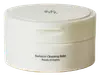 Key Ingredients
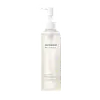
Benefits
Concerns
Ingredients Side-by-side
Cetyl Ethylhexanoate
EmollientCaprylic/Capric Triglyceride
Masking


PEG-20 Glyceryl Triisostearate
Emollient

Synthetic Wax
Abrasive

PEG-10 Isostearate
Emulsifying
Sorbitan Sesquioleate
Emulsifying
Hippophae Rhamnoides Oil
Emollient

Oryza Sativa Bran Oil
Emollient
Water
Skin ConditioningOryza Sativa Seed Water
Antimicrobial
Glycerin
Humectant
Propanediol
Solvent
1,2-Hexanediol
Skin Conditioning
Lactobacillus/Soybean Ferment Extract
Skin ConditioningButylene Glycol
Humectant
Coix Lacryma-Jobi Ma-Yuen Seed Extract
Skin ConditioningOryza Sativa Extract
Absorbent

Avena Sativa Meal Extract
SoothingEthylhexylglycerin
Skin ConditioningCaprylyl Glycol
Emollient
Cetyl Ethylhexanoate, Caprylic/Capric Triglyceride, PEG-20 Glyceryl Triisostearate, Synthetic Wax, PEG-10 Isostearate, Sorbitan Sesquioleate, Hippophae Rhamnoides Oil, Oryza Sativa Bran Oil, Water, Oryza Sativa Seed Water, Glycerin, Propanediol, 1,2-Hexanediol, Lactobacillus/Soybean Ferment Extract, Butylene Glycol, Coix Lacryma-Jobi Ma-Yuen Seed Extract, Oryza Sativa Extract, Avena Sativa Meal Extract, Ethylhexylglycerin, Caprylyl Glycol
Ethylhexyl Palmitate
Emollient

Sorbeth-30 Tetraoleate
Emulsifying
Triethylhexanoin
MaskingGlycine Soja Oil
Emollient
Caprylic/Capric Triglyceride
Masking
Simmondsia Chinensis Seed Oil
Emollient
Parfum
Masking


Tocopherol
Antioxidant

Helianthus Annuus Seed Oil
Emollient
Caprylyl Glycol
Emollient
Ethylhexylglycerin
Skin ConditioningWater
Skin ConditioningPropanediol
Solvent
Glycerin
Humectant
Lactobacillus/Pear Juice Ferment Filtrate
Skin ConditioningLactobacillus/Punica Granatum Fruit Ferment Extract
Antioxidant
Lactobacillus/Soybean Ferment Extract
Skin ConditioningSaccharomyces/Barley Seed Ferment Filtrate
HumectantEthylhexyl Palmitate, Sorbeth-30 Tetraoleate, Triethylhexanoin, Glycine Soja Oil, Caprylic/Capric Triglyceride, Simmondsia Chinensis Seed Oil, Parfum, Tocopherol, Helianthus Annuus Seed Oil, Caprylyl Glycol, Ethylhexylglycerin, Water, Propanediol, Glycerin, Lactobacillus/Pear Juice Ferment Filtrate, Lactobacillus/Punica Granatum Fruit Ferment Extract, Lactobacillus/Soybean Ferment Extract, Saccharomyces/Barley Seed Ferment Filtrate
Reviews
Ingredients Explained
These ingredients are found in both products.
Ingredients higher up in an ingredient list are typically present in a larger amount.
Caprylic/Capric Triglyceride (aka MCT Oil) is a lightweight emollient, solvent, and texture enhancer. It is considered a skin-softener by helping to prevent moisture loss.
Though it behaves like an oil, it is not technically one due to its chemical composition. One perk of this ingredient is that it is very stable, resistant to oxidation, and unlikely to go rancid.
In practice, that translates to a long shelf life and a consistently elegant skin feel.
While there is an assumption Caprylic Triglyceride can clog pores due to it being derived from coconut oil, there is no research supporting this. Just patch test if you have concerns.
Fractionated coconut oil and MCT Oil are both listed as Caprylic/Capric Triglyceride according to INCI. This is because INCI names are based on the ingredient’s final chemical composition and not its marketing name or source.
This ingredient is treated as the gold standard fungal acne safe oil. Even though it is coconut derived, the problematic lauric acid is stripped out.
This leaves just caprylic (C8) and capric (C10) acid. These chain lengths actually trend antifungal; a 2020 study found caprylic acid was enough to disrupt Malassezia furfur cell membrane, with a caprylic acid derivative damaging membrane structures at concentrations as low as 0.2%.
Learn more about Caprylic/Capric TriglycerideCaprylyl Glycol is a humectant, skin conditioner, emollient, and preservative booster derived from either caprylic acid or synthetically created.
Typical use levels vary from 0.3-1% as a preservative booster and go up to 2% to condition skin.
Because it is not a free-fatty acid, this ingredient is fungal acne safe (there's nothing for Malassezia to feed on).
Learn more about Caprylyl GlycolEthylhexylglycerin is created from glycerin. It is a multitasker ingredient that:
The CIR Expert Panel found minimal skin absorption or sensitization of any kind in a safety assessment. Though this ingredient is considered well-tolerated, a small number of cases of allergic dermatitis have been published since 2002. Just be sure to patch test if you are unsure.
Industry-reported use ranges from 8% in rinse-off products and 2% in leave-on formulations.
Learn more about EthylhexylglycerinGlycerin (or glycerol) is a compound naturally found in your skin. It's a powerhouse humectant that pulls water into the stratum corneum.
Topically, glycerin does several things at once:
Your skin makes glycerin on its own (mostly from sebaceous oil breakdown) and shuttles it to your outermost layer of skin, or your epidermis, via aquaporin-3.
Aquaporin-3 is a transporter that is essential for normal skin hydration, elasticity, and repair. Interestingly, mice lacking in AQP3 have dry and less elastic skin that can be fully corrected with glycerin.
This ingredient is non-irritating, plays well with almost every ingredient, and works across all skin types. Typical use is anywhere between 3-10% but can go up to 79% in some leave-on products.
Just know very high concentrations (>40%) can feel tacky in low humidity.
Glycerin is the name for this ingredient in American English. British English uses Glycerol/Glycerine.
Learn more about GlycerinLactobacillus/Soybean Ferment Extract is the result of fermenting soybeans with the Lactobacillus bacteria. It mainly acts as a skin conditioning agent in a formula, and the interesting part is what fermentation does to the soy.
Fermenting soy:
The isoflavones are the workhorses behind the common claims; lab and animal studies show they mop up free radicals, help protect skin cells from UVB damage, and nudge fibroblasts to make more collagen while slowing the enzymes that break collagen down.
One controlled clinical study using an isoflavone cream reported softer wrinkles and better skin texture over time. A topical fermented soy extract also improved hydration and elasticity in an animal aging model.
The big caveat is that most of this evidence comes from soy isoflavones and related fermented soy extracts rather than this exact INCI. Some of the strongest data also comes from oral studies.
So it's best to think of this ingredient as a gentle, antioxidant-leaning conditioning agent rather than a proven wrinkle eraser.
At this time, there's no published concentration levels for this specific ferment but it usually shows up at modest levels in real products (~1% or less).
One last thing for people with soy allergies: it's always worth patch testing this ingredient despite the lowered allergy risk.
Learn more about Lactobacillus/Soybean Ferment ExtractPropanediol is an all-star ingredient. It softens, hydrates, and smooths the skin.
It’s often used to:
Propanediol is not likely to cause sensitivity and considered safe to use. It is derived from corn or petroleum with a clear color and no scent.
Learn more about PropanediolWater. It's the most common cosmetic ingredient of all. You'll usually see it at the top of ingredient lists, meaning that it makes up the largest part of the product.
So why is it so popular? Water most often acts as a solvent - this means that it helps dissolve other ingredients into the formulation.
You'll also recognize water as that liquid we all need to stay alive. If you see this, drink a glass of water. Remember to stay hydrated!
Learn more about Water

