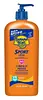
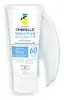
Banana Boat Ultra Sport Sunscreen Lotion, Broad Spectrum, SPF 50+ Versus Garnier Ombrelle Sensitive Expert+ Face Sunscreen Lotion SPF 60
This chemical sunscreen covers most of the UV range, lighter on the deep UVA that drives aging.
This sunscreen offers SPF 60 protection with a matte finish that helps control shine.


What's inside
What's inside
 Key Ingredients
Benefits
Concerns
Ingredients Side-by-side
Butyl Methoxydibenzoylmethane 2.7%
UV Absorber
Homosalate 9%
Skin Conditioning
Ethylhexyl Salicylate 4.5%
UV Absorber
Octocrylene 6.5%
UV Absorber

Water
Skin ConditioningGlyceryl Stearate
Emollient

PEG-100 Stearate
Surfactant
Cetyl Alcohol
Emollient

Cetyl Dimethicone
Emollient
Propylene Glycol
Humectant
Phenoxyethanol
Preservative
Caprylyl Glycol
Emollient
Vp/Eicosene Copolymer
Acrylates/C12-22 Alkyl Methacrylate Copolymer
Behenyl Alcohol
Emollient
Sodium Polyacrylate
Absorbent
Chlorphenesin
Antimicrobial
Xanthan Gum
EmulsifyingDisodium EDTA
ChelatingParfum
Masking

Tocopheryl Acetate
Antioxidant


Aloe Barbadensis Leaf Juice
Skin Conditioning

Butyl Methoxydibenzoylmethane 2.7%, Homosalate 9%, Ethylhexyl Salicylate 4.5%, Octocrylene 6.5%, Water, Glyceryl Stearate, PEG-100 Stearate, Cetyl Alcohol, Cetyl Dimethicone, Propylene Glycol, Phenoxyethanol, Caprylyl Glycol, Vp/Eicosene Copolymer, Acrylates/C12-22 Alkyl Methacrylate Copolymer, Behenyl Alcohol, Sodium Polyacrylate, Chlorphenesin, Xanthan Gum, Disodium EDTA, Parfum, Tocopheryl Acetate, Aloe Barbadensis Leaf Juice
Water
Skin ConditioningSilica
Abrasive


Styrene/Acrylates Copolymer
Butyloctyl Salicylate
Skin Conditioning
Dicaprylyl Carbonate
EmollientMethyl Methacrylate Crosspolymer
Nylon-12
PEG-100 Stearate
Surfactant
Glyceryl Stearate
Emollient
Perlite
Absorbent
Beeswax
Emulsion Stabilising

Ammonium Polyacryloyldimethyl Taurate
Emulsion StabilisingBehenyl Alcohol
Emollient
Chlorphenesin
Antimicrobial
Disodium EDTA
ChelatingP-Anisic Acid
MaskingPEG-8 Laurate
Emulsifying
Phenoxyethanol
Preservative
Sodium Dodecylbenzenesulfonate
CleansingSodium Stearoyl Glutamate
CleansingTocopherol
Antioxidant


Xanthan Gum
EmulsifyingZinc PCA
Humectant

Water, Silica, Styrene/Acrylates Copolymer, Butyloctyl Salicylate, Dicaprylyl Carbonate, Methyl Methacrylate Crosspolymer, Nylon-12, PEG-100 Stearate, Glyceryl Stearate, Perlite, Beeswax, Ammonium Polyacryloyldimethyl Taurate, Behenyl Alcohol, Chlorphenesin, Disodium EDTA, P-Anisic Acid, PEG-8 Laurate, Phenoxyethanol, Sodium Dodecylbenzenesulfonate, Sodium Stearoyl Glutamate, Tocopherol, Xanthan Gum, Zinc PCA
Reviews
Ingredients Explained
These ingredients are found in both products.
Ingredients higher up in an ingredient list are typically present in a larger amount.
Behenyl Alcohol is a type of fatty alcohol (these are different from the drying, solvent alcohols).
Fatty Alcohols have hydrating properties and are most often used as an emollient or to thicken a product. They are usually derived from natural fats and oils; behenyl alcohol is derived from the fats of vegetable oils.
Emollients help keep your skin soft and hydrated by creating a film that traps moisture in.
In 2000, Behenyl Alcohol was approved by the US as medicine to reduce the duration of cold sores.
Learn more about Behenyl AlcoholChlorphenesin is a synthetic preservative. It helps protect a product against bacteria in order to extend shelf life. In most cases, Chlorphenesin is paired with other preservatives such as phenoxyethanol and caprylyl glycol.
Chlorphenesin is a biocide. This means it is able to help fight the microorganisms on our skin. It is also able to fight odor-releasing bacteria.
Chlorphenesin is soluble in both water and glycerin.
Studies show Chlorphenesin is easily absorbed by our skin. You should speak with a skincare professional if you have concerns about using Chlorphenesin.
Learn more about ChlorphenesinDisodium EDTA is a chelating agent. It grabs onto and deactivates metal ions that sneak into your products from water, packaging, or air.
This ingredient mainly works behind the scenes and helps with:
On top of that, this ingredient can counteract the effects of hard water by binding to the minerals in it.
One thing worth knowing is that Disodium EDTA has been shown to be a mild penetration enhancer. It can help other ingredients absorb into skin more effectively which can be a double-edged sword (great for actives, but can also make the active too strong if you have sensitive skin).
Clinical patch testing showed no significant skin irritation at typical use concentrations and minimal dermal absorption.
You'll most likely see this ingredient near the end of an ingredient list. It's typically found in concentrations less than 1%.
Learn more about Disodium EDTAGlyceryl Stearate is made by reacting glycerin with stearic acid (typically sourced from plant oils like palm or coconut). It's an emulsifier, emollient, and mild occlusive.
Emulsifiers help ingredients like oil and water stay mixed so your formula stays nicely blended and uniform in texture.
This ingredient is typically used in concentrations between 1-10%. Studies have found it to be non-sensitizing, non-phototoxic, and non-photoallergenic.
A close cousin of this ingredient is Glyceryl Stearate SE ("self-emulsifying"). This just has a small amount of sodium or potassium stearate added so it can emulsify without a co-emulsifier.
Since this ingredient is an ester of a C18 fatty acid, it may not be fungal acne safe. The Malassezia yeast can potentially metabolize within the C11-C24 range.
Fun fact: The human body also creates Glyceryl Stearate naturally.
Learn more about Glyceryl StearatePeg-100 Stearate is an emollient and emulsifier. As an emollient, it helps keep skin soft by trapping moisture in. On the other hand, emulsifiers help prevent oil and water from separating in a product.
PEGS are a hydrophilic polyether compound . There are 100 ethylene oxide monomers in Peg-100 Stearate. Peg-100 Stearate is polyethylene glycol ester of stearic acid.
Phenoxyethanol is one of the most widely used preservatives in skincare (and for good reason!).
It has a large spectrum of antimicrobial activity and especially effective bacteria, yeast, and mold while only having a weak effect on your skin's natural microbiome.
On a cellular level, it disrupts the cell membranes of microbes by poking holes that make the cell leak. This shuts down the chemical reactions the microbe needs to make energy so it can no longer survive.
Another perk of this ingredient is that it stays functional across a wide pH range (3-10).
You'll often see it paired with boosters like Ethylhexylglycerin; one study showed that a 1:9 ratio of Ethylhexylglycerin to Phenoxyethanol damages bacterial membranes as effectively as doubling the Phenoxyethanol concentration on its own.
Typical use concentrations range from 0.3-1% depending on the formula, and this ingredient is capped at 1% int the EU.
Safety-wise, the fear mongering does not hold up to the evidence. The EU's Scientific Committee on Consumer Safety and FDA consider it safe as a preservative at up to 1%, including for children of all ages.
Adverse systemic effects only showed up in animal studies at exposures roughly 200x higher than what people get from cosmetics. And despite its very widespread use, this ingredient is a rare sensitizer and allergic reactions are uncommon.
Learn more about PhenoxyethanolWater. It's the most common cosmetic ingredient of all. You'll usually see it at the top of ingredient lists, meaning that it makes up the largest part of the product.
So why is it so popular? Water most often acts as a solvent - this means that it helps dissolve other ingredients into the formulation.
You'll also recognize water as that liquid we all need to stay alive. If you see this, drink a glass of water. Remember to stay hydrated!
Learn more about WaterXanthan gum is used as a stabilizer and thickener within cosmetic products. It helps give products a sticky, thick feeling - preventing them from being too runny.
On the technical side of things, xanthan gum is a polysaccharide - a combination consisting of multiple sugar molecules bonded together.
Xanthan gum is a pretty common and great ingredient. It is a natural, non-toxic, non-irritating ingredient that is also commonly used in food products.
Learn more about Xanthan Gum

