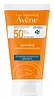
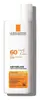
Avène Very High Protection Fluid SPF 50+ (Normal To Sensitive Combination Skin) Versus La Roche-Posay Anthelios Ultra Light Face Sunscreen-SPF 60
This chemical sunscreen covers the full UV range and blocks ~98% of UVB at SPF 50.
This chemical sunscreen covers most of the UV range, lighter on the deep UVA that drives aging.

What's inside
What's inside
 Key Ingredients
Benefits
Concerns
Ingredients Side-by-side
Water
Skin ConditioningC12-15 Alkyl Benzoate
AntimicrobialDiethylamino Hydroxybenzoyl Hexyl Benzoate
UV Filter
Ethylhexyl Triazone
UV Absorber
Oryza Sativa Starch
AbsorbentPhenylene Bis-Diphenyltriazine
Stabilising
Glycerin
Humectant


Bis-Ethylhexyloxyphenol Methoxyphenyl Triazine
UV Absorber
Potassium Cetyl Phosphate
EmulsifyingGlyceryl Stearate
Emollient

Stearyl Alcohol
Emollient
Tapioca Starch
Vp/Eicosene Copolymer
Benzoic Acid
Masking

Caprylic/Capric Triglyceride
Masking
Caprylyl Glycol
Emollient
Parfum
Masking


Glyceryl Behenate
Emollient
Glyceryl Dibehenate
Emollient
PPG-1-PEG-9 Lauryl Glycol Ether
EmulsifyingCI 17200
Cosmetic ColorantTocopheryl Glucoside
EmollientTribehenin
Emollient
Xanthan Gum
EmulsifyingWater, C12-15 Alkyl Benzoate, Diethylamino Hydroxybenzoyl Hexyl Benzoate, Ethylhexyl Triazone, Oryza Sativa Starch, Phenylene Bis-Diphenyltriazine, Glycerin, Bis-Ethylhexyloxyphenol Methoxyphenyl Triazine, Potassium Cetyl Phosphate, Glyceryl Stearate, Stearyl Alcohol, Tapioca Starch, Vp/Eicosene Copolymer, Benzoic Acid, Caprylic/Capric Triglyceride, Caprylyl Glycol, Parfum, Glyceryl Behenate, Glyceryl Dibehenate, PPG-1-PEG-9 Lauryl Glycol Ether, CI 17200, Tocopheryl Glucoside, Tribehenin, Xanthan Gum
Butyl Methoxydibenzoylmethane 3%
UV Absorber
Homosalate 10%
Skin Conditioning
Ethylhexyl Salicylate 5%
UV Absorber
Octocrylene 7%
UV Absorber
Water
Skin ConditioningCyclopentasiloxane
Emollient
Alcohol Denat.
Antimicrobial

Silica
Abrasive


Dicaprylyl Ether
Emollient
Styrene/Acrylates Copolymer
PEG-30 Dipolyhydroxystearate
Emulsifying
Dimethicone
Emollient
Cyclohexasiloxane
Emollient
Polymethylsilsesquioxane
Nylon-12
Dicaprylyl Carbonate
EmollientDiethylhexyl Syringylidenemalonate
Skin Protecting
Phenoxyethanol
Preservative
Lauryl PEG/PPG-18/18 Methicone
Skin Conditioning
Sodium Chloride
MaskingCaprylyl Glycol
Emollient
PEG-8 Laurate
Emulsifying
Isostearyl Alcohol
Emollient
Poly C10-30 Alkyl Acrylate
Emulsion StabilisingDisteardimonium Hectorite
StabilisingP-Anisic Acid
MaskingCaprylic/Capric Triglyceride
Masking
Disodium EDTA
Cassia Alata Leaf Extract
AstringentPropylene Carbonate
SolventSodium Dodecylbenzenesulfonate
CleansingTocopherol
Antioxidant





Butyl Methoxydibenzoylmethane 3%, Homosalate 10%, Ethylhexyl Salicylate 5%, Octocrylene 7%, Water, Cyclopentasiloxane, Alcohol Denat., Silica, Dicaprylyl Ether, Styrene/Acrylates Copolymer, PEG-30 Dipolyhydroxystearate, Dimethicone, Cyclohexasiloxane, Polymethylsilsesquioxane, Nylon-12, Dicaprylyl Carbonate, Diethylhexyl Syringylidenemalonate, Phenoxyethanol, Lauryl PEG/PPG-18/18 Methicone, Sodium Chloride, Caprylyl Glycol, PEG-8 Laurate, Isostearyl Alcohol, Poly C10-30 Alkyl Acrylate, Disteardimonium Hectorite, P-Anisic Acid, Caprylic/Capric Triglyceride, Disodium EDTA, Cassia Alata Leaf Extract, Propylene Carbonate, Sodium Dodecylbenzenesulfonate, Tocopherol
Reviews
Ingredients Explained
These ingredients are found in both products.
Ingredients higher up in an ingredient list are typically present in a larger amount.
Caprylic/Capric Triglyceride (aka MCT Oil) is a lightweight emollient, solvent, and texture enhancer. It is considered a skin-softener by helping to prevent moisture loss.
Though it behaves like an oil, it is not technically one due to its chemical composition. One perk of this ingredient is that it is very stable, resistant to oxidation, and unlikely to go rancid.
In practice, that translates to a long shelf life and a consistently elegant skin feel.
While there is an assumption Caprylic Triglyceride can clog pores due to it being derived from coconut oil, there is no research supporting this. Just patch test if you have concerns.
Fractionated coconut oil and MCT Oil are both listed as Caprylic/Capric Triglyceride according to INCI. This is because INCI names are based on the ingredient’s final chemical composition and not its marketing name or source.
This ingredient is treated as the gold standard fungal acne safe oil. Even though it is coconut derived, the problematic lauric acid is stripped out.
This leaves just caprylic (C8) and capric (C10) acid. These chain lengths actually trend antifungal; a 2020 study found caprylic acid was enough to disrupt Malassezia furfur cell membrane, with a caprylic acid derivative damaging membrane structures at concentrations as low as 0.2%.
Learn more about Caprylic/Capric TriglycerideCaprylyl Glycol is a humectant, skin conditioner, emollient, and preservative booster derived from either caprylic acid or synthetically created.
Typical use levels vary from 0.3-1% as a preservative booster and go up to 2% to condition skin.
Because it is not a free-fatty acid, this ingredient is fungal acne safe (there's nothing for Malassezia to feed on).
Learn more about Caprylyl GlycolWater. It's the most common cosmetic ingredient of all. You'll usually see it at the top of ingredient lists, meaning that it makes up the largest part of the product.
So why is it so popular? Water most often acts as a solvent - this means that it helps dissolve other ingredients into the formulation.
You'll also recognize water as that liquid we all need to stay alive. If you see this, drink a glass of water. Remember to stay hydrated!
Learn more about Water

