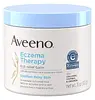
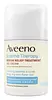
Aveeno Eczema Therapy Itch Relief Balm Versus Aveeno Eczema Therapy Rescue Relief Treatment Gel Cream
This calming moisturizer is formulated around Colloidal Oatmeal and Ceramide NP to calm redness and strengthen the skin barrier.
This calming moisturizer is formulated around Colloidal Oatmeal and Avena Sativa Kernel Oil to calm redness and strengthen the skin barrier.

What's inside
What's inside
 Key Ingredients
Benefits
Concerns
Ingredients Side-by-side
Colloidal Oatmeal 1%
Absorbent


Glycerin
Humectant

Water
Skin ConditioningCetearyl Alcohol
Emollient






Isocetyl Alcohol
Emollient
Dimethicone
Emollient
Cetyl Alcohol
Emollient
Benzyl Alcohol
Perfuming





Ethylhexylglycerin
Skin ConditioningSodium Cetearyl Sulfate
Cleansing
Benzoic Acid
Masking
Stearic Acid
Cleansing
Dipotassium Phosphate
BufferingPotassium Phosphate
BufferingP-Anisic Acid
MaskingCaprylic/Capric Triglyceride
Masking
Sodium Hydroxide
BufferingAvena Sativa Kernel Oil
Skin Conditioning
Ceramide NP
Skin Conditioning

Citric Acid
Buffering

Avena Sativa Kernel Extract
Abrasive

Colloidal Oatmeal 1%, Glycerin, Water, Cetearyl Alcohol, Isocetyl Alcohol, Dimethicone, Cetyl Alcohol, Benzyl Alcohol, Ethylhexylglycerin, Sodium Cetearyl Sulfate, Benzoic Acid, Stearic Acid, Dipotassium Phosphate, Potassium Phosphate, P-Anisic Acid, Caprylic/Capric Triglyceride, Sodium Hydroxide, Avena Sativa Kernel Oil, Ceramide NP, Citric Acid, Avena Sativa Kernel Extract
Colloidal Oatmeal 2%
Absorbent
Water
Skin ConditioningGlycerin
Humectant
Isopropyl Palmitate
Emollient
Butyrospermum Parkii Butter
Skin Conditioning
Isododecane
EmollientVegetable Oil
Skin Conditioning
Cetyl Alcohol
Emollient
Sodium Hydroxide
BufferingLactic Acid
Buffering



Sodium Polyacrylate
Absorbent
Caprylyl Glycol
Emollient
Avena Sativa Kernel Oil
Skin Conditioning
Cetearyl Olivate
Carbomer
Emulsion StabilisingCeramide AP
Skin Conditioning
1,2-Hexanediol
Skin Conditioning
Sorbitan Olivate
Emulsifying
Hydrogenated Vegetable Oil
Emollient
Euphorbia Cerifera Wax
Avena Sativa Kernel Extract
Abrasive
Tropolone
Skin ConditioningColloidal Oatmeal 2%, Water, Glycerin, Isopropyl Palmitate, Butyrospermum Parkii Butter, Isododecane, Vegetable Oil, Cetyl Alcohol, Sodium Hydroxide, Lactic Acid, Sodium Polyacrylate, Caprylyl Glycol, Avena Sativa Kernel Oil, Cetearyl Olivate, Carbomer, Ceramide AP, 1,2-Hexanediol, Sorbitan Olivate, Hydrogenated Vegetable Oil, Euphorbia Cerifera Wax, Avena Sativa Kernel Extract, Tropolone
Reviews
Ingredients Explained
These ingredients are found in both products.
Ingredients higher up in an ingredient list are typically present in a larger amount.
Avena Sativa Kernel Extract is is derived from colloidal oatmeal. Besides being a healthy breakfast, oats have many benefits in skincare too.
This ingredient helps sooth, hydrate, and protect the skin. The starches in colloidal oatmeal are able to bind water, keeping the skin hydrated.
The cellulose and fiber in colloidal oatmeal help reduce inflammation. This can also help the skin feel softer.
Colloidal Oatmeal is also an antioxidant. Antioxidants protect our skin from free-radical damage.
Oatmeal also contains beneficial compounds:
This ingredient is created by mixing grounded oatmeal and a liquid base.
Learn more about Avena Sativa Kernel ExtractThis ingredient is also known as oat kernel oil. It's an emollient and skin conditioning agent that is great for barrier support, hydrating skin, and calming irritation.
The fatty acid profile is dominated by linoleic acid (~22.8-43.1%), oleic acid (~31.4-51.3%), and palmitic acid (~13.9-18.8%).
Plus, it contains ceramides, phytosterols, phospholipids, vitamin E, and avenanthramides (oat's signature anti-inflammatory polyphenols).
One study found an oat lipid extract applied to human skin cells switched on receptors that tell skin cells to mature properly and make more barrier lipids (including a 70% boost in ceramides).
Basically, oat kernel oil doesn't just sit on top of skin, it nudges your skin to build more its of its own barrier.
Typical usage levels range from 1-10%.
Note: This ingredient may not be fungal acne safe due to the fatty acids present.
Learn more about Avena Sativa Kernel OilCetyl Alcohol is a fatty alcohol. Fatty Alcohols are most often used as an emollient or to thicken a product.
Its main roles are:
Though it has "alcohol" in the name, it is not related to denatured alcohol or ethyl alcohol.
The FDA allows products labeled "alcohol-free" to have fatty alcohols.
This ingredient may not be fungal acne safe. It is a primary fatty alcohol with a chain length above 12 carbons. A study from 2019 show Malassezia can feed on fatty alcohols in this range, so it may trigger fungal acne in those prone to it.
Learn more about Cetyl AlcoholAccording to INCI standards, this ingredient refers to the physical ground up oatmeal. If you are looking for colloidal oatmeal in skincare, you'll most likely see Avena Sativa Kernel Extract on your ingredient list.
Physical colloidal oatmeal is an abrasive meaning it provides physical exfoliation.
Glycerin (or glycerol) is a compound naturally found in your skin. It's a powerhouse humectant that pulls water into the stratum corneum.
Topically, glycerin does several things at once:
Your skin makes glycerin on its own (mostly from sebaceous oil breakdown) and shuttles it to your outermost layer of skin, or your epidermis, via aquaporin-3.
Aquaporin-3 is a transporter that is essential for normal skin hydration, elasticity, and repair. Interestingly, mice lacking in AQP3 have dry and less elastic skin that can be fully corrected with glycerin.
This ingredient is non-irritating, plays well with almost every ingredient, and works across all skin types. Typical use is anywhere between 3-10% but can go up to 79% in some leave-on products.
Just know very high concentrations (>40%) can feel tacky in low humidity.
Glycerin is the name for this ingredient in American English. British English uses Glycerol/Glycerine.
Learn more about GlycerinSodium Hydroxide is also known as lye or caustic soda. It is used to adjust the pH of products; many ingredients require a specific pH to be effective.
In small amounts, sodium hydroxide is considered safe to use. However, large amounts may cause chemical burns due to its high alkaline.
Your skin has a natural pH and acid mantle. This acid mantle helps prevent harmful bacteria from breaking through. The acid mantle also helps keep your skin hydrated.
"Alkaline" refers to a high pH level. A low pH level would be considered acidic.
Learn more about Sodium HydroxideWater. It's the most common cosmetic ingredient of all. You'll usually see it at the top of ingredient lists, meaning that it makes up the largest part of the product.
So why is it so popular? Water most often acts as a solvent - this means that it helps dissolve other ingredients into the formulation.
You'll also recognize water as that liquid we all need to stay alive. If you see this, drink a glass of water. Remember to stay hydrated!
Learn more about Water

