

What's inside
What's inside
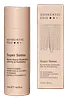 Key Ingredients
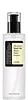
Benefits
Ingredients Side-by-side
Water
Skin ConditioningSqualane
Emollient


Propanediol
Solvent
Glyceryl Glucoside
Humectant
Niacinamide
Smoothing









Betaine
Humectant
Ammonium Polyacryloyldimethyl Taurate
Emulsion StabilisingMaltodextrin
Absorbent
Inulin
Skin Conditioning
Swertia Chirata Extract
HumectantArtemisia Annua Extract
Masking
Benzylsulfonyl D-Seryl Homophenylalanine Amidinobenzamide Acetate
Skin ConditioningTrehalose
Humectant
Lactobacillus Ferment
Skin Conditioning
Tremella Fuciformis Sporocarp Extract
Antioxidant
Acetyl Heptapeptide-4
Humectant
Alpha-Glucan Oligosaccharide
Cleansing
Xylitylglucoside
Humectant
Anhydroxylitol
Humectant
Xylitol
Humectant
Bifida Ferment Lysate
Skin Conditioning
Polyglutamic Acid
Skin Conditioning
Panthenol
Skin Conditioning
Caprylhydroxamic Acid
1,2-Hexanediol
Skin Conditioning
Caprylyl Glycol
Emollient
Tocopheryl Acetate
Antioxidant
Water, Squalane, Propanediol, Glyceryl Glucoside, Niacinamide, Betaine, Ammonium Polyacryloyldimethyl Taurate, Maltodextrin, Inulin, Swertia Chirata Extract, Artemisia Annua Extract, Benzylsulfonyl D-Seryl Homophenylalanine Amidinobenzamide Acetate, Trehalose, Lactobacillus Ferment, Tremella Fuciformis Sporocarp Extract, Acetyl Heptapeptide-4, Alpha-Glucan Oligosaccharide, Xylitylglucoside, Anhydroxylitol, Xylitol, Bifida Ferment Lysate, Polyglutamic Acid, Panthenol, Caprylhydroxamic Acid, 1,2-Hexanediol, Caprylyl Glycol, Tocopheryl Acetate



Reviews
Ingredients Explained
These ingredients are found in both products.
Ingredients higher up in an ingredient list are typically present in a larger amount.
1,2-Hexanediol is a synthetic liquid and another multi-functional powerhouse.
It is a:
- Humectant, drawing moisture into the skin
- Emollient, helping to soften skin
- Solvent, dispersing and stabilizing formulas
- Preservative booster, enhancing the antimicrobial activity of other preservatives
Betaine is a humectant. Like hyaluronic acid, it helps attract and retain moisture in the skin. It’s known for being gentle and for helping the skin maintain balanced hydration.
Betaine is mainly used to improve hydration and support calmer skin. It helps skin cells regulate water balance because it functions as an osmolyte.
Some studies suggest betaine may support making skin tone more even.
Fun fact: Betaine naturally exists in the skin and the body. In cosmetic products, it can be either plant-derived (most commonly from sugar beets) or synthetically produced for consistency and stability.
Betaine is also known as trimethylglycine.
Learn more about BetainePanthenol is a common ingredient that helps hydrate and soothe the skin. It is found naturally in our skin and hair.
There are two forms of panthenol: D and L.
D-panthenol is also known as dexpanthenol. Most cosmetics use dexpanthenol or a mixture of D and L-panthenol.
Panthenol is famous due to its ability to go deeper into the skin's layers. Using this ingredient has numerous pros (and no cons):
Like hyaluronic acid, panthenol is a humectant. Humectants are able to bind and hold large amounts of water to keep skin hydrated.
This ingredient works well for wound healing. It works by increasing tissue in the wound and helps close open wounds.
Once oxidized, panthenol converts to pantothenic acid. Panthothenic acid is found in all living cells.
This ingredient is also referred to as pro-vitamin B5.
Learn more about Panthenol

