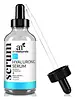
This hydrating serum is formulated around Aloe Barbadensis Leaf Juice and Sodium Ascorbyl Phosphate to hydrate skin and calm redness.
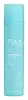
This brightening serum is formulated around Bifida Ferment Lysate and Ascorbyl Palmitate to brighten dull-looking skin and hydrate skin.

What's inside
What's inside
 Key Ingredients
Benefits
Concerns
Ingredients Side-by-side
Water
Skin ConditioningAloe Barbadensis Leaf Juice
Skin Conditioning


Sodium Ascorbyl Phosphate
Antioxidant






Glycerin
Humectant
Phenethyl Alcohol
MaskingCaprylyl Glycol
Emollient
Ethylhexylglycerin
Skin ConditioningHydroxyethylcellulose
Emulsion StabilisingXanthan Gum
EmulsifyingCitrus Limon Fruit Oil
Astringent
Sodium Hyaluronate
Humectant
Hydroxypropyl Cyclodextrin
MaskingPalmitoyl Tripeptide-38
Skin Conditioning
Camellia Sinensis Leaf Extract
Antimicrobial
Glycine Soja Protein
EmulsifyingHydrolyzed Rice Protein
Skin ConditioningSuperoxide Dismutase
Antioxidant
Simmondsia Chinensis Seed Oil
Emollient

Tocopheryl Acetate
Antioxidant
Water, Aloe Barbadensis Leaf Juice, Sodium Ascorbyl Phosphate, Glycerin, Phenethyl Alcohol, Caprylyl Glycol, Ethylhexylglycerin, Hydroxyethylcellulose, Xanthan Gum, Citrus Limon Fruit Oil, Sodium Hyaluronate, Hydroxypropyl Cyclodextrin, Palmitoyl Tripeptide-38, Camellia Sinensis Leaf Extract, Glycine Soja Protein, Hydrolyzed Rice Protein, Superoxide Dismutase, Simmondsia Chinensis Seed Oil, Tocopheryl Acetate
Water
Skin ConditioningGlycerin
Humectant
Citrus Unshiu Peel Extract
MaskingPropylene Glycol Dipelargonate
EmollientDimethicone
Emollient
Tribehenin PEG-20 Esters
EmollientAluminum Starch Octenylsuccinate
Absorbent
Bifida Ferment Lysate
Skin Conditioning
Hydrolyzed Rice Protein
Skin ConditioningVaccinium Angustifolium Fruit Extract
Skin Protecting
Cichorium Intybus Root Extract
MaskingCamelina Sativa Seed Oil
Skin Conditioning
Camellia Sinensis Leaf Extract
Antimicrobial
Curcuma Longa Root
Skin ConditioningAscorbyl Palmitate
Antioxidant
Carthamus Tinctorius Seed Oil
Masking
Inulin
Skin Conditioning
Xanthan Gum
EmulsifyingBulnesia Sarmientoi Wood Oil
Masking
Citrus Limon Fruit Oil
Astringent
Citrus Aurantium Dulcis Oil
Masking
Juniperus Mexicana Oil
Masking
Cananga Odorata Flower Oil
Masking




Citric Acid
Buffering
Lactose
HumectantLactis Proteinum
Skin ConditioningYogurt Powder
Olus Oil
Emollient
Tocopheryl Acetate
Antioxidant
Butylene Glycol
Humectant
Pentylene Glycol
Skin Conditioning
Caprylyl Glycol
Emollient
Ethylhexylglycerin
Skin ConditioningDecylene Glycol
Skin Conditioning1,2-Hexanediol
Skin Conditioning
Trisodium Dicarboxymethyl Alaninate
Sodium Chloride
MaskingSodium Glycolate
BufferingPhenethyl Alcohol
MaskingSorbic Acid
Preservative
Phenoxyethanol
Preservative
Parfum
Masking
Mica
Cosmetic ColorantCI 77891
Cosmetic ColorantWater, Glycerin, Citrus Unshiu Peel Extract, Propylene Glycol Dipelargonate, Dimethicone, Tribehenin PEG-20 Esters, Aluminum Starch Octenylsuccinate, Bifida Ferment Lysate, Hydrolyzed Rice Protein, Vaccinium Angustifolium Fruit Extract, Cichorium Intybus Root Extract, Camelina Sativa Seed Oil, Camellia Sinensis Leaf Extract, Curcuma Longa Root, Ascorbyl Palmitate, Carthamus Tinctorius Seed Oil, Inulin, Xanthan Gum, Bulnesia Sarmientoi Wood Oil, Citrus Limon Fruit Oil, Citrus Aurantium Dulcis Oil, Juniperus Mexicana Oil, Cananga Odorata Flower Oil, Citric Acid, Lactose, Lactis Proteinum, Yogurt Powder, Olus Oil, Tocopheryl Acetate, Butylene Glycol, Pentylene Glycol, Caprylyl Glycol, Ethylhexylglycerin, Decylene Glycol, 1,2-Hexanediol, Trisodium Dicarboxymethyl Alaninate, Sodium Chloride, Sodium Glycolate, Phenethyl Alcohol, Sorbic Acid, Phenoxyethanol, Parfum, Mica, CI 77891
Reviews
Ingredients Explained
These ingredients are found in both products.
Ingredients higher up in an ingredient list are typically present in a larger amount.
Camellia Sinensis Leaf Extract (tea extract) is one of the most well-researched plant extracts in skincare with an impressive resume.
Black tea, green tea, and oolong tea are all harvested from the Camellia Sinensis plant.
Studies show green tea extract and its catechins (like epigallocatechin gallate (EGCG)) help your skin cells product energy more efficiently and reducing the number of free-radicals that can damage your skin from the inside.
In lab-grown skin models, this translated to younger, healthier, and stronger skin.
There's also good sun protection data; researchers saw less DNA damage and redness on human skin when green tea was applied before UVB exposure. And the more they applied, the better the protection.
Needless to say, this ingredient shouldn't replace your sunscreen. But it is a great supportive ingredient that you can already find in many sunscreens and antioxidant serums.
A 2009 study found a 2% green tea lotion was effective for mild-to-moderate acne thanks to its anti-inflammatory and mild antimicrobial activity.
The quality of the extract matters a lot here:
Good extracts contain 50-90% catechins while lower quality ones are mostly there for marketing. We recommend reaching out to the brand if you have questions about the quality or source of their ingredients.
Human Repeated Insult Patch Testing showed no irritation or sensitization at use concentrations (0.86% in leave-on products and up to 30% as leaf water).
Learn more about Camellia Sinensis Leaf ExtractCaprylyl Glycol is a humectant, skin conditioner, emollient, and preservative booster derived from either caprylic acid or synthetically created.
Typical use levels vary from 0.3-1% as a preservative booster and go up to 2% to condition skin.
Because it is not a free-fatty acid, this ingredient is fungal acne safe (there's nothing for Malassezia to feed on).
Learn more about Caprylyl GlycolCitrus Limon Fruit Oil comes from the lemon fruit. The acidity of lemons are astringent, meaning it temporarily constrict the pores by drawing water out from the skin.
Ethylhexylglycerin is created from glycerin. It is a multitasker ingredient that:
The CIR Expert Panel found minimal skin absorption or sensitization of any kind in a safety assessment. Though this ingredient is considered well-tolerated, a small number of cases of allergic dermatitis have been published since 2002. Just be sure to patch test if you are unsure.
Industry-reported use ranges from 8% in rinse-off products and 2% in leave-on formulations.
Learn more about EthylhexylglycerinGlycerin (or glycerol) is a compound naturally found in your skin. It's a powerhouse humectant that pulls water into the stratum corneum.
Topically, glycerin does several things at once:
Your skin makes glycerin on its own (mostly from sebaceous oil breakdown) and shuttles it to your outermost layer of skin, or your epidermis, via aquaporin-3.
Aquaporin-3 is a transporter that is essential for normal skin hydration, elasticity, and repair. Interestingly, mice lacking in AQP3 have dry and less elastic skin that can be fully corrected with glycerin.
This ingredient is non-irritating, plays well with almost every ingredient, and works across all skin types. Typical use is anywhere between 3-10% but can go up to 79% in some leave-on products.
Just know very high concentrations (>40%) can feel tacky in low humidity.
Glycerin is the name for this ingredient in American English. British English uses Glycerol/Glycerine.
Learn more about GlycerinHydrolyzed Rice Protein is protein extracted from rice. This ingredient is rich in antioxidants and peptides.
Studies show this ingredient may help with blocking the melanin creation process when skin is exposed to UV.
Phenethyl Alcohol is a colorless and aromatic alohol. It is naturally occuring in essential oils.
The scent of this ingredient is floral and often compared to rose.
Like other alcohols, this ingredient helps prevent the growth of bacteria. However, its main purpose is to impact a fragrance.
Learn more about Phenethyl AlcoholTocopheryl Acetate is a stable, shelf-friendly form of vitamin E.
Formulators love it because plain vitamin E oxidizes quickly once it hits air. This acetate version stays stable and resists going off, helping to extend a product's shelf life.
It's actually inactive on its own and works like a slow-release "storage" form; the enzymes in your skin called esterases gradually convert it into active vitamin E over time.
One in vivo study showed 5% of the acetate in the living layer of the epidermis converted to vitamin E after 5 days of application. This study also found the skin gained protection against UV damage even though the conversion was slow and small.
Once converted, vitamin E acts as a skin's main fat-soluble antioxidant that fights free radicals to protect skin from damage.
Topical vitamin E generally boosts the skin's photoprotection, and it reduced UV-damage in animal models.
This ingredient has some brightening potential but it's more of a prevention ingredient than spot-fader. Cell studies show it can slow down melanin production but it's worth noting that it's not the most powerful brightener out there.
Overall, it has a pretty solid safety profile and has been found to be non-irritating and non-comedogenic. Allergic reactions may happen but stay rare due to how widely the ingredient gets used.
The concentration will vary depending on the formula; industry data shows 0.1% in baby lotions, 3% in lipsticks, and 5% in foot powders. You can also find this ingredient at 100% in a pure vitamin E oil.
Most leave-on skincare keeps it at the lower end, often between 0.5-1%.
Learn more about Tocopheryl AcetateWater. It's the most common cosmetic ingredient of all. You'll usually see it at the top of ingredient lists, meaning that it makes up the largest part of the product.
So why is it so popular? Water most often acts as a solvent - this means that it helps dissolve other ingredients into the formulation.
You'll also recognize water as that liquid we all need to stay alive. If you see this, drink a glass of water. Remember to stay hydrated!
Learn more about WaterXanthan gum is used as a stabilizer and thickener within cosmetic products. It helps give products a sticky, thick feeling - preventing them from being too runny.
On the technical side of things, xanthan gum is a polysaccharide - a combination consisting of multiple sugar molecules bonded together.
Xanthan gum is a pretty common and great ingredient. It is a natural, non-toxic, non-irritating ingredient that is also commonly used in food products.
Learn more about Xanthan Gum

