
What's inside
What's inside
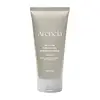 Key Ingredients
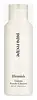
Benefits
Concerns
Ingredients Side-by-side
Glycerin
Humectant


Water
Skin ConditioningPrunus Amygdalus Dulcis Oil
Skin Conditioning

Sodium Cocoyl Glycinate
Cleansing
Coconut Acid
Cleansing
Hydroxypropyl Starch Phosphate
Xanthan Gum
EmulsifyingPolyquaternium-67
Houttuynia Cordata Powder
Skin ConditioningCoptis Japonica Extract
AntimicrobialButylene Glycol
Humectant
Disodium EDTA
Salicylic Acid
Masking









Allantoin
Skin Conditioning

Panthenol
Skin Conditioning
Niacinamide
Smoothing


Theobroma Cacao Seed Extract
Antioxidant
Dextrin
AbsorbentCapryloyl Salicylic Acid
Exfoliating
1,2-Hexanediol
Skin Conditioning
Oryza Sativa Lees Extract
Skin ConditioningOryza Sativa Extract
Absorbent
Glycerin, Water, Prunus Amygdalus Dulcis Oil, Sodium Cocoyl Glycinate, Coconut Acid, Hydroxypropyl Starch Phosphate, Xanthan Gum, Polyquaternium-67, Houttuynia Cordata Powder, Coptis Japonica Extract, Butylene Glycol, Disodium EDTA, Salicylic Acid, Allantoin, Panthenol, Niacinamide, Theobroma Cacao Seed Extract, Dextrin, Capryloyl Salicylic Acid, 1,2-Hexanediol, Oryza Sativa Lees Extract, Oryza Sativa Extract
Zea Mays Starch
Absorbent
Sodium Cocoyl Isethionate
Cleansing
Sodium Lauroyl Glutamate
SurfactantSodium Palmitate
CleansingDiglycerin
Humectant
Juglans Regia Shell Powder
Abrasive
Oryza Sativa Powder
Citric Acid
Buffering
Panax Ginseng Root Extract
Emollient
Rosmarinus Officinalis Leaf Extract
AntimicrobialScutellaria Baicalensis Root Extract
Astringent
Tricholoma Matsutake Extract
Skin ConditioningAngelica Keiskei Leaf/Stem Extract
Skin ConditioningOryza Sativa Extract
Absorbent
Portulaca Oleracea Extract
Skin Conditioning
Arbutin
Antioxidant
Rice Ferment Filtrate
Skin Conditioning
Gossypium Herbaceum Extract
Skin ConditioningLactobionic Acid
Buffering
Allantoin
Skin Conditioning
Maltodextrin
Absorbent
Papain
Skin Conditioning
Water
Skin ConditioningGlycerin
Humectant
Butylene Glycol
Humectant
Sodium Benzoate
Masking
1,2-Hexanediol
Skin Conditioning
Parfum
Masking

Zea Mays Starch, Sodium Cocoyl Isethionate, Sodium Lauroyl Glutamate, Sodium Palmitate, Diglycerin, Juglans Regia Shell Powder, Oryza Sativa Powder, Citric Acid, Panax Ginseng Root Extract, Rosmarinus Officinalis Leaf Extract, Scutellaria Baicalensis Root Extract, Tricholoma Matsutake Extract, Angelica Keiskei Leaf/Stem Extract, Oryza Sativa Extract, Portulaca Oleracea Extract, Arbutin, Rice Ferment Filtrate, Gossypium Herbaceum Extract, Lactobionic Acid, Allantoin, Maltodextrin, Papain, Water, Glycerin, Butylene Glycol, Sodium Benzoate, 1,2-Hexanediol, Parfum
Reviews
Ingredients Explained
These ingredients are found in both products.
Ingredients higher up in an ingredient list are typically present in a larger amount.
1,2-Hexanediol is a synthetic liquid and another multi-functional powerhouse.
It is a:
- Humectant, drawing moisture into the skin
- Emollient, helping to soften skin
- Solvent, dispersing and stabilizing formulas
- Preservative booster, enhancing the antimicrobial activity of other preservatives
Allantoin is a soothing ingredient known for its protective and moisturizing properties; it's basically a quiet workhorse ingredient you can find in a huge range of cosmetics.
Though it can be derived from the comfrey plant, allantoin is produced synthetically for cosmetic products to ensure purity.
Research shows it can encourage your skin cells to turn over and renew by stimulating keratinocyte and fibroblast proliferation.
It also has mild keratolytic properties to help loosen and shed dead skin cells without being harsh.
Studies also suggest allantoin can help calm inflammation by dialing down some of the chemical signals your skin sends out when it is irritated.
This ingredient is typically used in the 0.1-0.5% range, and the FDA recognizes it as a skin protectant in OTC products up to 2%.
Overall, allantoin is a wonderful addition to most routines; it is stable across a wide pH range (~4-8), works well with other ingredients, and is considered non-sensitizing/non-irritating.
Fun fact: Allantoin is naturally occurring in comfrey root, beets, chamomile, and wheat sprouts. Our bodies even produce it as a byproduct of uric acid metabolism.
Learn more about AllantoinButylene Glycol (or BG) is used within cosmetic products for a few different reasons:
Overall, Butylene Glycol is a safe and well-rounded ingredient that works well with other ingredients.
Though this ingredient works well with most skin types, some people with sensitive skin may experience a reaction such as allergic rashes, closed comedones, or itchiness.
Learn more about Butylene GlycolGlycerin (or glycerol) is a compound naturally found in your skin. It's a powerhouse humectant that pulls water into the stratum corneum.
Topically, glycerin does several things at once:
Your skin makes glycerin on its own (mostly from sebaceous oil breakdown) and shuttles it to your outermost layer of skin, or your epidermis, via aquaporin-3.
Aquaporin-3 is a transporter that is essential for normal skin hydration, elasticity, and repair. Interestingly, mice lacking in AQP3 have dry and less elastic skin that can be fully corrected with glycerin.
This ingredient is non-irritating, plays well with almost every ingredient, and works across all skin types. Typical use is anywhere between 3-10% but can go up to 79% in some leave-on products.
Just know very high concentrations (>40%) can feel tacky in low humidity.
Glycerin is the name for this ingredient in American English. British English uses Glycerol/Glycerine.
Learn more about GlycerinOryza Sativa Extract comes from the rice grain, Oryza sativa. Rice extract has wound healing, antioxidant, anti-inflammatory, and hydrating properties.
Rice grains contain numerous antioxidants which may help with anti-aging, such as vitamin E. Antioxidants help stabilize free-radical molecules. Unstable free-radical molecules may damage your skin cells and accelerate signs of aging.
A study from 2002 found rice to help increase the rate of wound healing. The same study found an improvement of skin barrier function in the patients after taking rice baths.
Numerous in-vitro studies have found rice water to help decrease sun damage by increasing collagen production and inhibiting the process of tyrosinase.
Long story short- tyrosinase is an enzyme that controls melanin production. Our bodies start producing melanin (AKA tanning) when exposed to UV radiation to protect against damage. Rice water is found to partially block this process.
Though more research is needed on rice's ability to help with UV protection, recent studies seem promising.
Wondering why rice is hydrating? The protein in rice have emollient properties. Emollients create a barrier on the skin to trap moisture in, keeping your skin moisturized.
Some rice extract may have mildly-exfoliating properties. These are mainly limited to Oryza Sativa (Rice) Bran and Oryza Sativa (Rice) Germ Powder.
This rice was first cultivated in China over 10,000 years ago. Many cultures throughout Asia have used rice water on skin and hair for centuries.
Learn more about Oryza Sativa ExtractWater. It's the most common cosmetic ingredient of all. You'll usually see it at the top of ingredient lists, meaning that it makes up the largest part of the product.
So why is it so popular? Water most often acts as a solvent - this means that it helps dissolve other ingredients into the formulation.
You'll also recognize water as that liquid we all need to stay alive. If you see this, drink a glass of water. Remember to stay hydrated!
Learn more about Water
