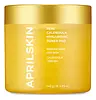
This calming toner pad uses a pre-saturated pad with Calendula Officinalis Flower Extract and Gluconolactone to calm redness and hydrate skin.
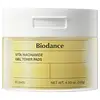
This brightening toner pad uses a pre-saturated pad with Niacinamide and Glutathione to brighten dull-looking skin and fade the look of dark spots.

What's inside
What's inside
 Key Ingredients
Benefits
Concerns
No concerns
Ingredients Side-by-side
Calendula Officinalis Flower Extract
Masking


Butylene Glycol
Humectant

Dipropylene Glycol
Humectant1,2-Hexanediol
Skin Conditioning
Glycerin
Humectant
Pentylene Glycol
Skin Conditioning
Water
Skin ConditioningCalendula Officinalis Flower
Skin Conditioning
C12-14 Pareth-12
EmulsifyingGluconolactone
Chelating






Ammonium Acryloyldimethyltaurate/Vp Copolymer
Dipotassium Glycyrrhizate
Humectant
Tetrasodium EDTA
ChelatingAllantoin
Skin Conditioning
Xanthan Gum
EmulsifyingCitrus Aurantium Dulcis Peel Oil
Masking

Lavandula Angustifolia Flower/Leaf/Stem Extract
Masking
Sodium Hyaluronate
Humectant
Portulaca Oleracea Extract
Skin Conditioning
Centella Asiatica Extract
Cleansing
Citric Acid
Buffering

Capryloyl Salicylic Acid
Exfoliating

Oenothera Biennis Flower Extract
AstringentPinus Palustris Leaf Extract
TonicPueraria Lobata Root Extract
HumectantUlmus Davidiana Root Extract
Skin Conditioning
Calendula Officinalis Flower Extract, Butylene Glycol, Dipropylene Glycol, 1,2-Hexanediol, Glycerin, Pentylene Glycol, Water, Calendula Officinalis Flower, C12-14 Pareth-12, Gluconolactone, Ammonium Acryloyldimethyltaurate/Vp Copolymer, Dipotassium Glycyrrhizate, Tetrasodium EDTA, Allantoin, Xanthan Gum, Citrus Aurantium Dulcis Peel Oil, Lavandula Angustifolia Flower/Leaf/Stem Extract, Sodium Hyaluronate, Portulaca Oleracea Extract, Centella Asiatica Extract, Citric Acid, Capryloyl Salicylic Acid, Oenothera Biennis Flower Extract, Pinus Palustris Leaf Extract, Pueraria Lobata Root Extract, Ulmus Davidiana Root Extract
Water
Skin ConditioningSr-Pineapple Stem Bromelain
Skin ConditioningGlycerin
Humectant
Butylene Glycol
Humectant
Niacinamide
Smoothing
1,2-Hexanediol
Skin Conditioning
Glyceryl Glucoside
Humectant
Allantoin
Skin Conditioning
Carbomer
Emulsion StabilisingEthylhexylglycerin
Skin ConditioningRose Extract
Skin ConditioningXanthan Gum
EmulsifyingSodium Edtmp
ChelatingSodium Polyacrylate
Absorbent
Morinda Citrifolia Flower Extract
Ocimum Sanctum Leaf Extract
Skin ConditioningMorinda Citrifolia Leaf Extract
Skin ConditioningUlmus Davidiana Root Extract
Skin Conditioning
Sodium Hyaluronate
Humectant
Hydroxypropyltrimonium Hyaluronate
Sodium Acetylated Hyaluronate
Humectant
Zinc Hydrolyzed Hyaluronate
HumectantHydrolyzed Sodium Hyaluronate
Skin Conditioning
Sodium Hyaluronate Crosspolymer
Humectant
Glutathione
Potassium Hyaluronate
Skin ConditioningTyramine Hyaluronamide
HumectantCeramides

Water, Sr-Pineapple Stem Bromelain, Glycerin, Butylene Glycol, Niacinamide, 1,2-Hexanediol, Glyceryl Glucoside, Allantoin, Carbomer, Ethylhexylglycerin, Rose Extract, Xanthan Gum, Sodium Edtmp, Sodium Polyacrylate, Morinda Citrifolia Flower Extract, Ocimum Sanctum Leaf Extract, Morinda Citrifolia Leaf Extract, Ulmus Davidiana Root Extract, Sodium Hyaluronate, Hydroxypropyltrimonium Hyaluronate, Sodium Acetylated Hyaluronate, Zinc Hydrolyzed Hyaluronate, Hydrolyzed Sodium Hyaluronate, Sodium Hyaluronate Crosspolymer, Glutathione, Potassium Hyaluronate, Tyramine Hyaluronamide, Ceramides
Reviews
Ingredients Explained
These ingredients are found in both products.
Ingredients higher up in an ingredient list are typically present in a larger amount.
1,2-Hexanediol is a synthetic liquid and another multi-functional powerhouse.
It is a:
- Humectant, drawing moisture into the skin
- Emollient, helping to soften skin
- Solvent, dispersing and stabilizing formulas
- Preservative booster, enhancing the antimicrobial activity of other preservatives
Allantoin is a soothing ingredient known for its protective and moisturizing properties; it's basically a quiet workhorse ingredient you can find in a huge range of cosmetics.
Though it can be derived from the comfrey plant, allantoin is produced synthetically for cosmetic products to ensure purity.
Research shows it can encourage your skin cells to turn over and renew by stimulating keratinocyte and fibroblast proliferation.
It also has mild keratolytic properties to help loosen and shed dead skin cells without being harsh.
Studies also suggest allantoin can help calm inflammation by dialing down some of the chemical signals your skin sends out when it is irritated.
This ingredient is typically used in the 0.1-0.5% range, and the FDA recognizes it as a skin protectant in OTC products up to 2%.
Overall, allantoin is a wonderful addition to most routines; it is stable across a wide pH range (~4-8), works well with other ingredients, and is considered non-sensitizing/non-irritating.
Fun fact: Allantoin is naturally occurring in comfrey root, beets, chamomile, and wheat sprouts. Our bodies even produce it as a byproduct of uric acid metabolism.
Learn more about AllantoinButylene Glycol (or BG) is used within cosmetic products for a few different reasons:
Overall, Butylene Glycol is a safe and well-rounded ingredient that works well with other ingredients.
Though this ingredient works well with most skin types, some people with sensitive skin may experience a reaction such as allergic rashes, closed comedones, or itchiness.
Learn more about Butylene GlycolGlycerin (or glycerol) is a compound naturally found in your skin. It's a powerhouse humectant that pulls water into the stratum corneum.
Topically, glycerin does several things at once:
Your skin makes glycerin on its own (mostly from sebaceous oil breakdown) and shuttles it to your outermost layer of skin, or your epidermis, via aquaporin-3.
Aquaporin-3 is a transporter that is essential for normal skin hydration, elasticity, and repair. Interestingly, mice lacking in AQP3 have dry and less elastic skin that can be fully corrected with glycerin.
This ingredient is non-irritating, plays well with almost every ingredient, and works across all skin types. Typical use is anywhere between 3-10% but can go up to 79% in some leave-on products.
Just know very high concentrations (>40%) can feel tacky in low humidity.
Glycerin is the name for this ingredient in American English. British English uses Glycerol/Glycerine.
Learn more about GlycerinSodium Hyaluronate is the salt form of hyaluronic acid. It is a long sugar chain that is naturally found in your skin, joints, and connective tissue that maintains hydration and elasticity.
In skincare, it works as a humectant. It pulls water from the environment and deeper layers of skin and binds it to the surface.
Interestingly, the size of the molecule affects its behavior:
Some clinical evidence links low molecular weight versions to improved wrinkle depth, elasticity, anti-inflammatory effects, and barrier repair.
Many serums use a blend of both weights so you can get surface hydration plus longer-lasting and deeper effects.
You'll typically see concentrations between 0.1-2% for this ingredient.
Learn more about Sodium HyaluronateThis tree is also known as the David Elm. It contains the ingredient bakuchiol.
Other great compounds found in this ingredient include galactose, glucose, and phenolics. The sugar content gives it great skin hydrating properties. Phenolics are potent antioxidants commonly found in fruits and veggies.
A 2020 study found the phenolics of this root to have an anti-inflammatory effect.
Fun fact: This ingredient is used in traditional Asian medicine.
Learn more about Ulmus Davidiana Root ExtractWater. It's the most common cosmetic ingredient of all. You'll usually see it at the top of ingredient lists, meaning that it makes up the largest part of the product.
So why is it so popular? Water most often acts as a solvent - this means that it helps dissolve other ingredients into the formulation.
You'll also recognize water as that liquid we all need to stay alive. If you see this, drink a glass of water. Remember to stay hydrated!
Learn more about WaterXanthan gum is used as a stabilizer and thickener within cosmetic products. It helps give products a sticky, thick feeling - preventing them from being too runny.
On the technical side of things, xanthan gum is a polysaccharide - a combination consisting of multiple sugar molecules bonded together.
Xanthan gum is a pretty common and great ingredient. It is a natural, non-toxic, non-irritating ingredient that is also commonly used in food products.
Learn more about Xanthan Gum

