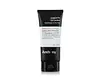
This oil-control moisturizer is formulated around Silica and Polysilicone-11 to balance excess oil and refine the look of pores.
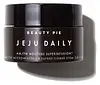
This barrier-repair moisturizer is formulated around Panthenol to strengthen the skin barrier and hydrate skin.

What's inside
What's inside
 Key Ingredients
Benefits
Concerns
Ingredients Side-by-side
Water
Skin ConditioningCaprylic/Capric Triglyceride
Masking


Silica
Abrasive


C12-15 Alkyl Benzoate
AntimicrobialGlyceryl Stearate
Emollient

Glyceryl Stearate Citrate
Emollient
Dimethicone
Emollient

Glycerin
Humectant
Stearyl Alcohol
Emollient
Cymbopogon Nardus Oil
Masking



Citrus Aurantium Dulcis Peel Oil
Masking
Polyacrylamide
Cyclopentasiloxane
Emollient
C13-14 Isoparaffin
Emollient
Polysilicone-11
Parfum
Masking

Carbomer
Emulsion StabilisingLaureth-7
EmulsifyingPhenoxyethanol
Preservative
Sodium Benzoate
Masking
Potassium Sorbate
Preservative
Disodium EDTA
ChelatingSodium Hydroxide
BufferingCitral
Perfuming
Citronellol
Perfuming
Geraniol
Perfuming
Limonene
Perfuming
Linalool
Perfuming
Water, Caprylic/Capric Triglyceride, Silica, C12-15 Alkyl Benzoate, Glyceryl Stearate, Glyceryl Stearate Citrate, Dimethicone, Glycerin, Stearyl Alcohol, Cymbopogon Nardus Oil, Citrus Aurantium Dulcis Peel Oil, Polyacrylamide, Cyclopentasiloxane, C13-14 Isoparaffin, Polysilicone-11, Parfum, Carbomer, Laureth-7, Phenoxyethanol, Sodium Benzoate, Potassium Sorbate, Disodium EDTA, Sodium Hydroxide, Citral, Citronellol, Geraniol, Limonene, Linalool
Water
Skin ConditioningCyclopentasiloxane
Emollient
Ceresin
Emulsion StabilisingGlycerin
Humectant
Dimethicone
Emollient
PEG-10 Dimethicone
Skin Conditioning
Propanediol
Solvent
Panthenol
Skin Conditioning

C12-15 Alkyl Benzoate
AntimicrobialSodium Chloride
MaskingSorbitan Olivate
Emulsifying
Disteardimonium Hectorite
StabilisingCetyl Alcohol
Emollient
Distearyldimonium Chloride
Caprylyl Glycol
Emollient
Parfum
Masking
Volcanic Sand
Skin ConditioningLimonene
Perfuming
Ethylhexylglycerin
Skin ConditioningSilica
Abrasive
Disodium EDTA
ChelatingLinalool
Perfuming
Solanum Lycopersicum Leaf Cell Culture Extract
Skin ConditioningOpuntia Ficus-Indica Stem Extract
Skin Conditioning
Daphne Odora Callus Extract
Skin ProtectingCitral
Perfuming
Hexyl Cinnamal
Perfuming
Opuntia Ficus-Indica Callus Culture Extract
Antioxidant
Water, Cyclopentasiloxane, Ceresin, Glycerin, Dimethicone, PEG-10 Dimethicone, Propanediol, Panthenol, C12-15 Alkyl Benzoate, Sodium Chloride, Sorbitan Olivate, Disteardimonium Hectorite, Cetyl Alcohol, Distearyldimonium Chloride, Caprylyl Glycol, Parfum, Volcanic Sand, Limonene, Ethylhexylglycerin, Silica, Disodium EDTA, Linalool, Solanum Lycopersicum Leaf Cell Culture Extract, Opuntia Ficus-Indica Stem Extract, Daphne Odora Callus Extract, Citral, Hexyl Cinnamal, Opuntia Ficus-Indica Callus Culture Extract
Reviews
Ingredients Explained
These ingredients are found in both products.
Ingredients higher up in an ingredient list are typically present in a larger amount.
C12-15 Alkyl Benzoate is a lightweight emollient made by combinig benzoic acid with fatty alcohols that are 12-15 carbons long.
In cosmetics, it plays several roles:
The Cosmetic Review Expert Panel has concluded the alkyl benzoate group to be safe as used in cosmetics; it wasn't found to be a skin irritant and unlikely to be absorbed due to its low water solubility.
This report recorded almost 1000 reported uses with concentrations up to 59% in leave-on products but your cosmetics will typically use 0.5-15% depending on the product.
It's often called a "SPF booster": this is because it keeps UV filters properly dissolved and evenly distributed to support a sunscreen's performance. It doesn't actually raise SPF on its own.
Overall, this ingredient is well tolerated.
This ingredient is fungal acne safe because it is an ester of benzoic acid.
Think of this ingredient as two parts stuck together: an oily part and an acid part. Malassezia only gets a meal when it can snip off a fatty acid to eat. With C12-15 Alkyl Benzoate, the acid part is benzoic acid, which isn't a fatty acid and which the yeast can't use as food.
Benzoic acid is actually used as a preservative to stop yeast from growing.
The oily part is a blend of C12-15 fatty alcohols but fatty alcohols in this size range can support only a little Malassezia growth (mostly for one species of Malassezia as well).
In the ingredient, those alcohols stay locked inside the molecule. The yeast can only reach them by snipping the benzoate bond, and that type of bond is harder for it to cut than a normal fatty bond.
So not much gets released. And whatever does get snipped comes packaged with benzoic acid, which discourages yeast growth.
Learn more about C12-15 Alkyl BenzoateCitral is the molecule responsible for the fresh lemon scent in lemon, lime, and lemongrass. It is a fragrance ingredient that can be created from plant essential oils or synthetically.
Though Citral has documented antimicrobial activity against acne bacteria (which is where the marketing claims about it being good for acne-prone skin originate), real formulas use it at fragrance-level concentrations under 1% so there's likely no skin benefit.
You should know this ingredient is a known EU fragrance allergen.
Animal studies classifies this ingredient as a weak-to-moderate skin sensitizer and clinical patch testing on eczema patients confirmed it to be both a contact allergen and irritant.
The term 'citral' is a collective term for two geometric isomers: geranial/Citral A and neral/Citral B.
The term 'fragrance' is not regulated in many countries. In many cases, it is up to the brand to define this term. For instance, many brands choose to label themselves as "fragrance-free" because they are not using synthetic fragrances. However, their products may still contain ingredients such as essential oils that are considered a fragrance.
Learn more about CitralCyclopentasiloxane (D5) is a lightweight silicone that mostly acts as an emollient and solvent in cosmetics. Its the reason your products feel silky, fast-spreading, and non-greasy.
Since D5 is volatile, it does its thing and then evaporates off the skin quickly.
The safety profile of this ingredient is reassuring; the US CIR Expert Panel concluded D5 is safe as used in cosmetics and Health Canada concluded that D5 is not harmful to human health or the environment as currently used in cosmetics
There's a study that people mention about D5 in a rat study showing tumors. This study is related to long-term inhalation of high D5 levels.
Regulatory bodies have judged this study to be not applicable in topical skincare since skin absorption of D5 is very low and we're not really inhaling huge amounts of D5.
The only restriction for this ingredient is environmental. The European Chemicals Agency (ECHA) restricted D5 in wash-off cosmetics at or above 0.1% due to their persistence in water.
Learn more about CyclopentasiloxaneDimethicone is a type of synthetic silicone created from natural materials such as quartz. It is also known as polydimethylsiloxane.
What it does:
Dimethicone comes in different viscosities:
Depending on the viscosity, dimethicone has different properties.
Ingredients lists don't always show which type is used, so we recommend reaching out to the brand if you have questions about the viscosity.
This ingredient is unlikely to cause irritation because it does not get absorbed into skin. However, people with silicone allergies should be careful about using this ingredient.
Note: Dimethicone may contribute to pilling. This is because it is not oil or water soluble, so pilling may occur when layered with products. When mixed with heavy oils in a formula, the outcome is also quite greasy.
Learn more about DimethiconeDisodium EDTA is a chelating agent. It grabs onto and deactivates metal ions that sneak into your products from water, packaging, or air.
This ingredient mainly works behind the scenes and helps with:
On top of that, this ingredient can counteract the effects of hard water by binding to the minerals in it.
One thing worth knowing is that Disodium EDTA has been shown to be a mild penetration enhancer. It can help other ingredients absorb into skin more effectively which can be a double-edged sword (great for actives, but can also make the active too strong if you have sensitive skin).
Clinical patch testing showed no significant skin irritation at typical use concentrations and minimal dermal absorption.
You'll most likely see this ingredient near the end of an ingredient list. It's typically found in concentrations less than 1%.
Learn more about Disodium EDTAGlycerin (or glycerol) is a compound naturally found in your skin. It's a powerhouse humectant that pulls water into the stratum corneum.
Topically, glycerin does several things at once:
Your skin makes glycerin on its own (mostly from sebaceous oil breakdown) and shuttles it to your outermost layer of skin, or your epidermis, via aquaporin-3.
Aquaporin-3 is a transporter that is essential for normal skin hydration, elasticity, and repair. Interestingly, mice lacking in AQP3 have dry and less elastic skin that can be fully corrected with glycerin.
This ingredient is non-irritating, plays well with almost every ingredient, and works across all skin types. Typical use is anywhere between 3-10% but can go up to 79% in some leave-on products.
Just know very high concentrations (>40%) can feel tacky in low humidity.
Glycerin is the name for this ingredient in American English. British English uses Glycerol/Glycerine.
Learn more about GlycerinLimonene is the compound that gives citrus peel its smell.
In skincare, it shows up as a standalone fragrance ingredient or as a natural compound of citrus and other essential oils.
You'll typically see this ingredient used in very small amounts; anything above 0.001% in a leave-on product or 0.01% in a rinse-off has to be named on the label in the EU. The citrus oils that carry it sit around 0.5-1% in a finished formula.
Fresh limonene is a weak allergen; the real issue is that it slowly reacts with air and then breaks down from oxidation to create hydroperoxides (which are strong sensitizers). This is why suppliers are required to keep the peroxide value below 20 mmol.
Positive reactions in people being investigated for eczema vary:
It's worth skipping if you have a known fragrance allergy or a compromised barrier, but the risk is low for most people.
Older or long-opened products are also more likely to bother you than fresh ones due to oxidation.
Learn more about LimoneneLinalool is a small, naturally occurring scent molecule found in plants like lavender, coriander, bergamot, and more.
It is one of the two most-used fragrance ingredients in cosmetics and added purely for smell. Since it's not used for a skin benefit, there's no "effective dose". Concentration depends on the fragrance load of the product.
The EU requires it to be named on the label above 0.001% in leave-on and 0.01% in rinse-off products.
Fresh linalool is a weak sensitizer but air exposure turns some of it into hydroperoxides, which are strong sensitizers. Those oxidation products are the actual allergy concern.
Patch-test clinics see positive reactions to linalool hydroperoxides in about 4% to 12% of dermatitis patients depending on country and test concentration.
Resassuringly, one analytical study found hydroperoxide levels in real fragranced products to be orders of magnitude below what induced sensitization in animal studies with no evidence of oxidation building up during normal storage.
The practical takeaway is that linalool is fine for most people but worth avoiding if you have a confirmed fragrance contact allergy or a badly compromised barrier.
Products stored a long time after opening are also the high-risk scenario since that is when oxidation happens.
The scent of linalool is described as floral, spicy tropical, and citrus-like.
Learn more about LinaloolParfum is a catch-all term for an ingredient or more that is used to give a scent to products.
Also called "fragrance", this ingredient can be a blend of hundreds of chemicals or plant oils. This means every product with "fragrance" or "parfum" in the ingredients list is a different mixture.
For instance, Habanolide is a proprietary trade name for a specific aroma chemical. When used as a fragrance ingredient in cosmetics, most aroma chemicals fall under the broad labeling category of “FRAGRANCE” or “PARFUM” according to EU and US regulations.
The term 'parfum' or 'fragrance' is not regulated in many countries. In many cases, it is up to the brand to define this term.
For instance, many brands choose to label themselves as "fragrance-free" because they are not using synthetic fragrances. However, their products may still contain ingredients such as essential oils that are considered a fragrance by INCI standards.
One example is Calendula flower extract. Calendula is an essential oil that still imparts a scent or 'fragrance'.
Depending on the blend, the ingredients in the mixture can cause allergies and sensitivities on the skin. Some ingredients that are known EU allergens include linalool and citronellol.
Parfum can also be used to mask or cover an unpleasant scent.
The bottom line is: not all fragrances/parfum/ingredients are created equally. If you are worried about fragrances, we recommend taking a closer look at an ingredient. And of course, we always recommend speaking with a professional.
Learn more about ParfumSilica, also known as silicon dioxide, is a naturally occurring mineral. It is used as a fine, spherical, and porous powder in cosmetics.
Though it has exfoliant properties, the function of silica varies depending on the product.
The unique structure of silica enhances the spreadability and adds smoothness, making it a great texture enhancer.
It is also used as an active carrier, emulsifier, and mattifier due to its ability to absorb excess oil.
In some products, tiny microneedles called spicules are made from silica or hydrolyzed sponge. When you rub them in, they lightly polish away dead skin layers and enhance the penetration of active ingredients.
Learn more about SilicaWater. It's the most common cosmetic ingredient of all. You'll usually see it at the top of ingredient lists, meaning that it makes up the largest part of the product.
So why is it so popular? Water most often acts as a solvent - this means that it helps dissolve other ingredients into the formulation.
You'll also recognize water as that liquid we all need to stay alive. If you see this, drink a glass of water. Remember to stay hydrated!
Learn more about Water

