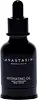
This hydrating oil is formulated around Simmondsia Chinensis Seed Oil and Rosa Canina Fruit Oil to hydrate skin and strengthen the skin barrier.
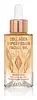
This hydrating oil is formulated around Persea Gratissima Oil and Cocoyl Hydrolyzed Collagen to hydrate skin and soften the look of wrinkles.


What's inside
What's inside
 Key Ingredients
Benefits
Concerns
Ingredients Side-by-side
Simmondsia Chinensis Seed Oil
Emollient





Cyclopentasiloxane
Emollient
Rosa Canina Fruit Oil
Emollient
Borago Officinalis Seed Oil
Emollient



Limnanthes Alba Seed Oil
Skin Conditioning
Ribes Nigrum Seed Oil
Emollient
Caprylic/Capric Triglyceride
Masking
Brassica Campestris Seed Oil
Skin Conditioning
Lavandula Angustifolia Oil
Masking



Santalum Austrocaledonicum Wood Oil
Masking
Rosa Damascena Flower Oil
Masking
Levisticum Officinale Oil
Masking
Boswellia Carterii Gum Extract
Perfuming
Tocotrienols
Skin Conditioning
Elaeis Guineensis Oil
Emollient
Althaea Officinalis Leaf Extract
Skin ConditioningCamellia Sinensis Leaf Extract
Antimicrobial




Melissa Officinalis Leaf Extract
Skin ConditioningVaccinium Myrtillus Leaf Extract
AstringentTocopherol
Antioxidant
Squalene
Emollient
Beta-Sitosterol
Emulsion Stabilising
Citronellol
Perfuming
Geraniol
Perfuming
Limonene
Perfuming
Linalool
Perfuming
Simmondsia Chinensis Seed Oil, Cyclopentasiloxane, Rosa Canina Fruit Oil, Borago Officinalis Seed Oil, Limnanthes Alba Seed Oil, Ribes Nigrum Seed Oil, Caprylic/Capric Triglyceride, Brassica Campestris Seed Oil, Lavandula Angustifolia Oil, Santalum Austrocaledonicum Wood Oil, Rosa Damascena Flower Oil, Levisticum Officinale Oil, Boswellia Carterii Gum Extract, Tocotrienols, Elaeis Guineensis Oil, Althaea Officinalis Leaf Extract, Camellia Sinensis Leaf Extract, Melissa Officinalis Leaf Extract, Vaccinium Myrtillus Leaf Extract, Tocopherol, Squalene, Beta-Sitosterol, Citronellol, Geraniol, Limonene, Linalool
Persea Gratissima Oil
Skin Conditioning
Olea Europaea Fruit Oil
Masking
Orbignya Oleifera Seed Oil
Emollient
Caprylic/Capric Triglyceride
Masking
Silica Dimethyl Silylate
EmollientHelianthus Annuus Seed Oil
Emollient
Cocoyl Hydrolyzed Collagen
Cleansing
Oenothera Biennis Oil
Emollient
Rubus Idaeus Seed Oil
Emollient
Vaccinium Myrtillus Seed Oil
Skin Conditioning
Theobroma Cacao Extract
Skin ConditioningLavandula Angustifolia Oil
Masking
Lupinus Albus Seed Extract
Skin ConditioningTocopherol
Antioxidant
Citrus Aurantium Amara Flower Oil
Masking
Eucalyptus Globulus Leaf Oil
Perfuming
Magnolia Officinalis Bark Extract
Antimicrobial
Rosa Damascena Flower Extract
Masking
Rosa Damascena Flower Oil
Masking
Linalool
Perfuming
Limonene
Perfuming
Geraniol
Perfuming
Citronellol
Perfuming
Farnesol
Perfuming
Persea Gratissima Oil, Olea Europaea Fruit Oil, Orbignya Oleifera Seed Oil, Caprylic/Capric Triglyceride, Silica Dimethyl Silylate, Helianthus Annuus Seed Oil, Cocoyl Hydrolyzed Collagen, Oenothera Biennis Oil, Rubus Idaeus Seed Oil, Vaccinium Myrtillus Seed Oil, Theobroma Cacao Extract, Lavandula Angustifolia Oil, Lupinus Albus Seed Extract, Tocopherol, Citrus Aurantium Amara Flower Oil, Eucalyptus Globulus Leaf Oil, Magnolia Officinalis Bark Extract, Rosa Damascena Flower Extract, Rosa Damascena Flower Oil, Linalool, Limonene, Geraniol, Citronellol, Farnesol
Reviews
Ingredients Explained
These ingredients are found in both products.
Ingredients higher up in an ingredient list are typically present in a larger amount.
Caprylic/Capric Triglyceride (aka MCT Oil) is a lightweight emollient, solvent, and texture enhancer. It is considered a skin-softener by helping to prevent moisture loss.
Though it behaves like an oil, it is not technically one due to its chemical composition. One perk of this ingredient is that it is very stable, resistant to oxidation, and unlikely to go rancid.
In practice, that translates to a long shelf life and a consistently elegant skin feel.
While there is an assumption Caprylic Triglyceride can clog pores due to it being derived from coconut oil, there is no research supporting this. Just patch test if you have concerns.
Fractionated coconut oil and MCT Oil are both listed as Caprylic/Capric Triglyceride according to INCI. This is because INCI names are based on the ingredient’s final chemical composition and not its marketing name or source.
This ingredient is treated as the gold standard fungal acne safe oil. Even though it is coconut derived, the problematic lauric acid is stripped out.
This leaves just caprylic (C8) and capric (C10) acid. These chain lengths actually trend antifungal; a 2020 study found caprylic acid was enough to disrupt Malassezia furfur cell membrane, with a caprylic acid derivative damaging membrane structures at concentrations as low as 0.2%.
Learn more about Caprylic/Capric TriglycerideCitronellol is used to add fragrance/parfum to a product. It is often derived from plants such as roses. In fact, it can be found in many essential oils including geranium, lavender, neroli, and more. The scent of Citronellol is often described as "fresh, grassy, and citrus-like".
Since the Citronellol molecule is already unstable, Citronellol becomes irritating on the skin when exposed to air.
Citronellol is a modified terpene. Terpenes are unsaturated hydrocarbons found in plants. They make up the primary part of essential oils.
Citronellol is not able to be absorbed into deeper layers of the skin. It has low permeability,
Citronellol is also a natural insect repellent.
Learn more about CitronellolGeraniol is used to add fragrance/parfum to a product. It is the main component of citronellol. It is a monoterpenoid and an alcohol.
Monoterpenes are naturally found in many parts of different plants.
Geraniol can be found in many essential oils including Rose Oil and Citronella Oil. The scent of Geraniol is often described as "rose-like". Many foods also contain Geraniol for fruit flavoring.
Geraniol can irritate the skin when exposed to air. However, irritation depends on the ability of geraniol to penetrate into the skin. In general, geraniol is not able to penetrate skin easily.
Geraniol is colorless and has low water-solubility. However, it is soluble in common organic solvents.
Like citronellol, it is a natural insect repellent.
2,6-Octadien-1-ol, 3,7-dimethyl-, (2E)-
Learn more about GeraniolLavandula Angustifolia Oil is more commonly known as lavender essential oil. It is considered a fragrancing ingredient.
Lavender imparts a famous scent. While the smell is lovely, this ingredient and may sensitize skin in topical products. This is because about 85% of the oil is made up of linalool and linalyl acetate.
When exposed to air, these two compounds become strong allergens. This ingredient exhibits cytotoxicity at low concentrations; amounts of 0.25% have been shown to damage skin cells.
A study from Japan found this ingredient caused lavender sensitivity after widespread exposure.
Lavender essential oil has some antimicrobial, antibacterial, and anti-inflammatory properties. However, the cons of this ingredient may outweight the pros.
More research is needed to confirm lavender essential oil's effects when used in aromatherapy.
Lavandula Angustifolia is known as the English Lavender and famous for creating purple fields in Provence, France.
Learn more about Lavandula Angustifolia OilLimonene is the compound that gives citrus peel its smell.
In skincare, it shows up as a standalone fragrance ingredient or as a natural compound of citrus and other essential oils.
You'll typically see this ingredient used in very small amounts; anything above 0.001% in a leave-on product or 0.01% in a rinse-off has to be named on the label in the EU. The citrus oils that carry it sit around 0.5-1% in a finished formula.
Fresh limonene is a weak allergen; the real issue is that it slowly reacts with air and then breaks down from oxidation to create hydroperoxides (which are strong sensitizers). This is why suppliers are required to keep the peroxide value below 20 mmol.
Positive reactions in people being investigated for eczema vary:
It's worth skipping if you have a known fragrance allergy or a compromised barrier, but the risk is low for most people.
Older or long-opened products are also more likely to bother you than fresh ones due to oxidation.
Learn more about LimoneneLinalool is a small, naturally occurring scent molecule found in plants like lavender, coriander, bergamot, and more.
It is one of the two most-used fragrance ingredients in cosmetics and added purely for smell. Since it's not used for a skin benefit, there's no "effective dose". Concentration depends on the fragrance load of the product.
The EU requires it to be named on the label above 0.001% in leave-on and 0.01% in rinse-off products.
Fresh linalool is a weak sensitizer but air exposure turns some of it into hydroperoxides, which are strong sensitizers. Those oxidation products are the actual allergy concern.
Patch-test clinics see positive reactions to linalool hydroperoxides in about 4% to 12% of dermatitis patients depending on country and test concentration.
Resassuringly, one analytical study found hydroperoxide levels in real fragranced products to be orders of magnitude below what induced sensitization in animal studies with no evidence of oxidation building up during normal storage.
The practical takeaway is that linalool is fine for most people but worth avoiding if you have a confirmed fragrance contact allergy or a badly compromised barrier.
Products stored a long time after opening are also the high-risk scenario since that is when oxidation happens.
The scent of linalool is described as floral, spicy tropical, and citrus-like.
Learn more about LinaloolRosa Damascena Flower Oil is an essential oil made from the Damask Rose. It is often used as a fragrance in cosmetics.
Rose Oil has antibacterial and antioxidant properties due to its terpene, glycoside, flavonoid, anthocyanin, and Vitamin C content.
Other major parts of Rose Oil include citronellol and geraniol. Both of these are known EU allergens and cause contact-allergies.
The downsides of this ingredient outweight the positives.
Learn more about Rosa Damascena Flower OilTocopherol is a fat-soluble antioxidant known as Vitamin E.
You'll find this ingredient in the vast majority of skincare (for good reason). It works to neutralize free radicals, or unstable molecules generated by UV exposure, pollution, and other environmental stressors, before they can cause oxidative damage to your skin cells.
Topically applied tocopherol has been shown to protect against UV damage by ramping up the skin's own natural defense enzymes.
It also acts as a skin conditioning agent; some studies show that regular topical use can improve the skin's water-binding capacity over 2-4 weeks.
This ingredient is especially loved for being a team player. When combined with Vitamin C, the photoprotective effect of both ingredients roughly doubles and the combo also helps reduce UV-induced DNA damage.
This ingredient has some brightening potential but it's more of a prevention ingredient than spot-fader. Cell studies show it can slow down melanin production but it's worth noting that it's not the most powerful brightener out there.
In formulations, it also serves as a stabilizer that helps protect other oxidation-prone ingredients from degrading.
Concentrations usually range from 0.1-1% in most leave-on products.
Learn more about Tocopherol

