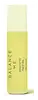
This hydrating oil is formulated around Olea Europaea Fruit Oil and Rosa Canina Fruit Oil to hydrate skin and strengthen the skin barrier.
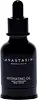
This hydrating oil is formulated around Simmondsia Chinensis Seed Oil and Rosa Canina Fruit Oil to hydrate skin and strengthen the skin barrier.


What's inside
What's inside
 Key Ingredients
Benefits
Concerns
Ingredients Side-by-side
Olea Europaea Fruit Oil
Masking






Vitis Vinifera Seed Oil
Emollient
Camellia Oleifera Seed Oil
Skin Conditioning
Limnanthes Alba Seed Oil
Skin Conditioning
Avena Sativa Kernel Flour
Abrasive

Simmondsia Chinensis Seed Oil
Emollient

Rosa Canina Fruit Oil
Emollient
Crambe Abyssinica Seed Oil
Skin Conditioning
Squalane
Emollient
Rubus Chamaemorus Seed Oil
Skin Conditioning
Borago Officinalis Seed Oil
Emollient
Nelumbo Nucifera Flower Extract
Skin ConditioningViola Odorata Leaf Extract
MaskingCucumis Sativus Oil
Emollient
Rosa Damascena Flower Oil
Masking


Pelargonium Graveolens Flower Oil
Masking
Cymbopogon Martini Oil
Masking
Tocopherol
Antioxidant



Limonene
Perfuming
Linalool
Perfuming
Geraniol
Perfuming
Citral
Perfuming
Citronellol
Perfuming
Eugenol
Perfuming
Farnesol
Perfuming
Olea Europaea Fruit Oil, Vitis Vinifera Seed Oil, Camellia Oleifera Seed Oil, Limnanthes Alba Seed Oil, Avena Sativa Kernel Flour, Simmondsia Chinensis Seed Oil, Rosa Canina Fruit Oil, Crambe Abyssinica Seed Oil, Squalane, Rubus Chamaemorus Seed Oil, Borago Officinalis Seed Oil, Nelumbo Nucifera Flower Extract, Viola Odorata Leaf Extract, Cucumis Sativus Oil, Rosa Damascena Flower Oil, Pelargonium Graveolens Flower Oil, Cymbopogon Martini Oil, Tocopherol, Limonene, Linalool, Geraniol, Citral, Citronellol, Eugenol, Farnesol
Simmondsia Chinensis Seed Oil
Emollient
Cyclopentasiloxane
Emollient
Rosa Canina Fruit Oil
Emollient
Borago Officinalis Seed Oil
Emollient
Limnanthes Alba Seed Oil
Skin Conditioning
Ribes Nigrum Seed Oil
Emollient
Caprylic/Capric Triglyceride
Masking
Brassica Campestris Seed Oil
Skin Conditioning
Lavandula Angustifolia Oil
Masking
Santalum Austrocaledonicum Wood Oil
Masking
Rosa Damascena Flower Oil
Masking
Levisticum Officinale Oil
Masking
Boswellia Carterii Gum Extract
Perfuming
Tocotrienols
Skin Conditioning
Elaeis Guineensis Oil
Emollient
Althaea Officinalis Leaf Extract
Skin ConditioningCamellia Sinensis Leaf Extract
Antimicrobial

Melissa Officinalis Leaf Extract
Skin ConditioningVaccinium Myrtillus Leaf Extract
AstringentTocopherol
Antioxidant
Squalene
Emollient
Beta-Sitosterol
Emulsion Stabilising
Citronellol
Perfuming
Geraniol
Perfuming
Limonene
Perfuming
Linalool
Perfuming
Simmondsia Chinensis Seed Oil, Cyclopentasiloxane, Rosa Canina Fruit Oil, Borago Officinalis Seed Oil, Limnanthes Alba Seed Oil, Ribes Nigrum Seed Oil, Caprylic/Capric Triglyceride, Brassica Campestris Seed Oil, Lavandula Angustifolia Oil, Santalum Austrocaledonicum Wood Oil, Rosa Damascena Flower Oil, Levisticum Officinale Oil, Boswellia Carterii Gum Extract, Tocotrienols, Elaeis Guineensis Oil, Althaea Officinalis Leaf Extract, Camellia Sinensis Leaf Extract, Melissa Officinalis Leaf Extract, Vaccinium Myrtillus Leaf Extract, Tocopherol, Squalene, Beta-Sitosterol, Citronellol, Geraniol, Limonene, Linalool
Ingredients Explained
These ingredients are found in both products.
Ingredients higher up in an ingredient list are typically present in a larger amount.
Borago Officinalis Seed Oil is from the seeds of the starflower plant. This plant grows primarily in Europe.
This oil does not have a scent. It contains fatty acids such as linolenic acid. These fatty acids help keep skin hydrated.
Borago Officinalis Seed Oil is an antioxidant. Antioxidants help fight free-radicals. Free-radicals are molecules that may damage your skin cells.
Learn more about Borago Officinalis Seed OilCitronellol is used to add fragrance/parfum to a product. It is often derived from plants such as roses. In fact, it can be found in many essential oils including geranium, lavender, neroli, and more. The scent of Citronellol is often described as "fresh, grassy, and citrus-like".
Since the Citronellol molecule is already unstable, Citronellol becomes irritating on the skin when exposed to air.
Citronellol is a modified terpene. Terpenes are unsaturated hydrocarbons found in plants. They make up the primary part of essential oils.
Citronellol is not able to be absorbed into deeper layers of the skin. It has low permeability,
Citronellol is also a natural insect repellent.
Learn more about CitronellolGeraniol is used to add fragrance/parfum to a product. It is the main component of citronellol. It is a monoterpenoid and an alcohol.
Monoterpenes are naturally found in many parts of different plants.
Geraniol can be found in many essential oils including Rose Oil and Citronella Oil. The scent of Geraniol is often described as "rose-like". Many foods also contain Geraniol for fruit flavoring.
Geraniol can irritate the skin when exposed to air. However, irritation depends on the ability of geraniol to penetrate into the skin. In general, geraniol is not able to penetrate skin easily.
Geraniol is colorless and has low water-solubility. However, it is soluble in common organic solvents.
Like citronellol, it is a natural insect repellent.
2,6-Octadien-1-ol, 3,7-dimethyl-, (2E)-
Learn more about GeraniolLimnanthes Alba Seed Oil is from the seeds of the meadowfoam plant. It is a skin conditioning agent and emollient that sits on top of skin to soften and hydrate it.
Over 98% of the oil is made up of long-chain fatty acids, mostly aachidic acid (61%), docosenoic acid (~16%), and docosadienoic acid (~18%).
This combination is not really found in any other plant oil and is the reason this is one of the most stable botanical oils available.
Some studies show it to be more stable than jojoba oil, helps a product resist going rancid, and can help extend the shelf life of a formula.
It also naturally contains vitamin E and phytosterols that give it a mild antioxidant benefit.
This ingredient is typically used from around 1% to fairly high levels since it's gentle; it's well-tolerated and low on the irritation scale.
Learn more about Limnanthes Alba Seed OilLimonene is the compound that gives citrus peel its smell.
In skincare, it shows up as a standalone fragrance ingredient or as a natural compound of citrus and other essential oils.
You'll typically see this ingredient used in very small amounts; anything above 0.001% in a leave-on product or 0.01% in a rinse-off has to be named on the label in the EU. The citrus oils that carry it sit around 0.5-1% in a finished formula.
Fresh limonene is a weak allergen; the real issue is that it slowly reacts with air and then breaks down from oxidation to create hydroperoxides (which are strong sensitizers). This is why suppliers are required to keep the peroxide value below 20 mmol.
Positive reactions in people being investigated for eczema vary:
It's worth skipping if you have a known fragrance allergy or a compromised barrier, but the risk is low for most people.
Older or long-opened products are also more likely to bother you than fresh ones due to oxidation.
Learn more about LimoneneLinalool is a small, naturally occurring scent molecule found in plants like lavender, coriander, bergamot, and more.
It is one of the two most-used fragrance ingredients in cosmetics and added purely for smell. Since it's not used for a skin benefit, there's no "effective dose". Concentration depends on the fragrance load of the product.
The EU requires it to be named on the label above 0.001% in leave-on and 0.01% in rinse-off products.
Fresh linalool is a weak sensitizer but air exposure turns some of it into hydroperoxides, which are strong sensitizers. Those oxidation products are the actual allergy concern.
Patch-test clinics see positive reactions to linalool hydroperoxides in about 4% to 12% of dermatitis patients depending on country and test concentration.
Resassuringly, one analytical study found hydroperoxide levels in real fragranced products to be orders of magnitude below what induced sensitization in animal studies with no evidence of oxidation building up during normal storage.
The practical takeaway is that linalool is fine for most people but worth avoiding if you have a confirmed fragrance contact allergy or a badly compromised barrier.
Products stored a long time after opening are also the high-risk scenario since that is when oxidation happens.
The scent of linalool is described as floral, spicy tropical, and citrus-like.
Learn more about LinaloolRosa Canina Fruit Oil is a non-fragrant plant oil that has earned its skincare reputation through chemistry.
It's dominated by fatty acids like linoleic acid (~35-55%), alpha-linolenic acid (~17-27%), and oleic acid (~14-22%). This is the exact profile that supports skin barrier, locks in hydration, and calms inflammation.
A 2024 review found evidence for the Rosa canina species supports its use for scarring, hyperpigmentation, wrinkles, and atopic dermatitis; this was mostly credited to its vitamin C content and fatty acid composition as the primary active mechanisms.
You might see this ingredient marketed as a "natural retinol". Some rosehip seed oils contains traces of all-trans-retinoic acid but these trace amounts are far below biologically active levels.
The Cosmetic Ingredient Review Panel has deemed this ingredient safe and it's well-tolerated.
Fungal acne: The fatty acids of this oil fall into the C11-24 range that Malassezia yeast can metabolize, so this ingredient may not be fungal acne safe.
Learn more about Rosa Canina Fruit OilRosa Damascena Flower Oil is an essential oil made from the Damask Rose. It is often used as a fragrance in cosmetics.
Rose Oil has antibacterial and antioxidant properties due to its terpene, glycoside, flavonoid, anthocyanin, and Vitamin C content.
Other major parts of Rose Oil include citronellol and geraniol. Both of these are known EU allergens and cause contact-allergies.
The downsides of this ingredient outweight the positives.
Learn more about Rosa Damascena Flower OilJojoba oil is one of the most well-studied plant-derived ingredients in cosmetics. It is an emollient with a special structure.
Because it is made up of 97-98% wax esters, it closely mirrors the linear monoesters found in human sebum. This makes it skin compatible, non-greasy, and lightweight.
Unlike other plant oils, jojoba wax doesn't easily penetrate skin. It mostly works in the uppermost layers as an emollient. This just means it forms a light barrier on the skin to help retain moisture.
Formulations with jojoba esters up to 90% reduced transepidermal water loss (TEWL) and increased barrier recovery by 81% (outperforming bisabolol at 47%).
Besides barrier support, the science also suggests jojoba to have anti-inflammatory effects and potential applications for skin infections, aging, and wound healing.
Fun fact: Indigenous cultures have used jojoba as a moisturizer and to help treat burns for centuries.
Fungal acne: The Malassezia yeast is known to metabolize fatty acids in the C11-24 range and jojoba's dominant fatty acid components fall into this range. This ingredient may not be fungal acne safe.
Learn more about Simmondsia Chinensis Seed OilTocopherol is a fat-soluble antioxidant known as Vitamin E.
You'll find this ingredient in the vast majority of skincare (for good reason). It works to neutralize free radicals, or unstable molecules generated by UV exposure, pollution, and other environmental stressors, before they can cause oxidative damage to your skin cells.
Topically applied tocopherol has been shown to protect against UV damage by ramping up the skin's own natural defense enzymes.
It also acts as a skin conditioning agent; some studies show that regular topical use can improve the skin's water-binding capacity over 2-4 weeks.
This ingredient is especially loved for being a team player. When combined with Vitamin C, the photoprotective effect of both ingredients roughly doubles and the combo also helps reduce UV-induced DNA damage.
This ingredient has some brightening potential but it's more of a prevention ingredient than spot-fader. Cell studies show it can slow down melanin production but it's worth noting that it's not the most powerful brightener out there.
In formulations, it also serves as a stabilizer that helps protect other oxidation-prone ingredients from degrading.
Concentrations usually range from 0.1-1% in most leave-on products.
Learn more about Tocopherol

