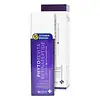
This anti-aging ampoule is formulated around Palmitoyl Tripeptide-1 and Hydroxypinacolone Retinoate to soften the look of wrinkles and refine skin texture.
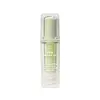
This anti-aging serum is formulated around Acetyl Hexapeptide-8 and Tripeptide-1 to soften the look of wrinkles and brighten dull-looking skin.


What's inside
What's inside
 Key Ingredients
Benefits
Concerns
No concerns
Ingredients Side-by-side
Water
Skin ConditioningGlycerin
Humectant


Urea
Buffering


Carnosine
Skin Conditioning
Ammonium Acryloyldimethyltaurate/Vp Copolymer
Polyglyceryl-3 Cetyl Ether
EmulsifyingTremella Fuciformis Extract
Humectant
Betaine
Humectant
Epigallocatechin Gallatyl Glucoside
Antioxidant
Resveratrol
Antioxidant
Astaxanthin
Skin Conditioning
Tetrahexyldecyl Ascorbate
Antioxidant

Hexapeptide-9
Skin Conditioning
Palmitoyl Tripeptide-1
Skin Conditioning
Acetyl Hexapeptide-8
Humectant
Palmitoyl Tripeptide-5
Skin Conditioning
Palmitoyl Tetrapeptide-7
Skin Conditioning
Palmitoyl Pentapeptide-4
Skin Conditioning
Sh-Oligopeptide-1
Skin Conditioning
Copper Tripeptide-1
Skin Conditioning
Palmitoyl Hexapeptide-12
Skin Conditioning
Acetyl Octapeptide-3
Humectant
Dipeptide Diaminobutyroyl Benzylamide Diacetate
Skin Conditioning
Trifluoroacetyl Tripeptide-2
Skin Conditioning
Tripeptide-10 Citrulline
Skin Conditioning
Palmitoyl Camellia Sinensis Extract
Skin ConditioningEthylbisiminomethylguaiacol Manganese Chloride
Antioxidant
Dimethylmethoxy Chromanol
Antioxidant
Xanthan Gum
EmulsifyingHydroxypinacolone Retinoate
Skin Conditioning


Superoxide Dismutase
Antioxidant
Hyaluronic Acid
Humectant
Phenoxyethanol
Preservative
PEG-9 Diglycidyl Ether/Sodium Hyaluronate Crosspolymer
Skin ConditioningHydroxyethyl Urea
Humectant
Isohexadecane
EmollientCitrus Reticulata Peel Extract
Skin ConditioningRetinal
Skin Conditioning
Chlorphenesin
Antimicrobial
Water, Glycerin, Urea, Carnosine, Ammonium Acryloyldimethyltaurate/Vp Copolymer, Polyglyceryl-3 Cetyl Ether, Tremella Fuciformis Extract, Betaine, Epigallocatechin Gallatyl Glucoside, Resveratrol, Astaxanthin, Tetrahexyldecyl Ascorbate, Hexapeptide-9, Palmitoyl Tripeptide-1, Acetyl Hexapeptide-8, Palmitoyl Tripeptide-5, Palmitoyl Tetrapeptide-7, Palmitoyl Pentapeptide-4, Sh-Oligopeptide-1, Copper Tripeptide-1, Palmitoyl Hexapeptide-12, Acetyl Octapeptide-3, Dipeptide Diaminobutyroyl Benzylamide Diacetate, Trifluoroacetyl Tripeptide-2, Tripeptide-10 Citrulline, Palmitoyl Camellia Sinensis Extract, Ethylbisiminomethylguaiacol Manganese Chloride, Dimethylmethoxy Chromanol, Xanthan Gum, Hydroxypinacolone Retinoate, Superoxide Dismutase, Hyaluronic Acid, Phenoxyethanol, PEG-9 Diglycidyl Ether/Sodium Hyaluronate Crosspolymer, Hydroxyethyl Urea, Isohexadecane, Citrus Reticulata Peel Extract, Retinal, Chlorphenesin
Water
Skin ConditioningAcetyl Hexapeptide-8
Humectant
Tripeptide-1
Skin Conditioning
Niacinamide
Smoothing
Sh-Oligopeptide-1
Skin Conditioning
Glycerin
Humectant
Hydroxypropyl Cyclodextrin
MaskingPalmitoyl Tripeptide-38
Skin Conditioning
Copper Tripeptide-1
Skin Conditioning
Dextran
Tripeptide-32
Skin Conditioning
Salix Nigra Bark Extract
Skin ProtectingLecithin
Emollient
Acetyl Glutamine
Skin ConditioningSh-Oligopeptide-2
Skin Conditioning
Sh-Polypeptide-1
Skin Conditioning
Sh-Polypeptide-9
Skin Conditioning
Sh-Polypeptide-11
Glyceryl Acrylate/Acrylic Acid Copolymer
HumectantBacillus/Folic Acid Ferment Filtrate Extract
Antioxidant
Aloe Barbadensis Leaf Extract
Emollient
Xanthan Gum
EmulsifyingRoyal Jelly
Ectoin
Skin Conditioning
Phenoxyethanol
Preservative
Caprylyl Glycol
Emollient
Glyceryl Caprylate
EmollientLactic Acid/Glycolic Acid Copolymer
Skin ConditioningPhenylpropanol
Masking

Palmitoyl Sh-Octapeptide-24 Amide
Skin Conditioning
Polyvinyl Alcohol
Palmitoyl Sh-Tripeptide-5 Norisoleucyl Sh-Nonapeptide-1
Skin Conditioning
Sodium Hyaluronate
Humectant
Butylene Glycol
Humectant
Carbomer
Emulsion StabilisingDipotassium Glycyrrhizate
Humectant
Tocopheryl Acetate
Antioxidant
Ethylhexylglycerin
Skin ConditioningDisodium EDTA
ChelatingWater, Acetyl Hexapeptide-8, Tripeptide-1, Niacinamide, Sh-Oligopeptide-1, Glycerin, Hydroxypropyl Cyclodextrin, Palmitoyl Tripeptide-38, Copper Tripeptide-1, Dextran, Tripeptide-32, Salix Nigra Bark Extract, Lecithin, Acetyl Glutamine, Sh-Oligopeptide-2, Sh-Polypeptide-1, Sh-Polypeptide-9, Sh-Polypeptide-11, Glyceryl Acrylate/Acrylic Acid Copolymer, Bacillus/Folic Acid Ferment Filtrate Extract, Aloe Barbadensis Leaf Extract, Xanthan Gum, Royal Jelly, Ectoin, Phenoxyethanol, Caprylyl Glycol, Glyceryl Caprylate, Lactic Acid/Glycolic Acid Copolymer, Phenylpropanol, Palmitoyl Sh-Octapeptide-24 Amide, Polyvinyl Alcohol, Palmitoyl Sh-Tripeptide-5 Norisoleucyl Sh-Nonapeptide-1, Sodium Hyaluronate, Butylene Glycol, Carbomer, Dipotassium Glycyrrhizate, Tocopheryl Acetate, Ethylhexylglycerin, Disodium EDTA
Alternatives
Ingredients Explained
These ingredients are found in both products.
Ingredients higher up in an ingredient list are typically present in a larger amount.
Acetyl Hexapeptide-8 (also known as Argireline) is a synthetic hexapeptide that is often called a "topical Botox alternative".
It works by mimicking how Botox relaxes muscles; it interferes with the signaling process that tells your facial muscles to contract. This can help soften expression lines like forehead wrinkles or crow's feet over time.
The comparison to Botox does have limits because the molecule is water-loving and relatively large.
Acetyl Hexapeptide-8 has a hard time absorbing deeply enough through the skin's outer barrier to actually reach the muscles.
So whether it truly works the way Botox does at a biological level is still up for debate, but early clinical outcomes are fairly encouraging.
A 12 week human study of a multi-ingredient regimen containing this ingredient saw:
While some studies have observed improvements in wrinkle appearance, it is important to note that more consistent results are seen in multi-ingredient formulations (vs just Acetyl Hexapeptide-8 alone).
Some research studies also used higher concentrations (up to 10%) while this ingredient is usually found in concentrations up to 0.005% in leave-on formulations.
Learn more about Acetyl Hexapeptide-8Copper Tripeptide-1 (GHK-Cu) is a skin repairing ingredient said to boost collagen, improve firmness, and support skin regeneration.
It is a complex made up of a naturally occurring peptide (glycine-histidine-lysine) and copper, an essential trace element.
While studying wound healing, researchers noticed GHK-Cu stimulated hair follicle enlargement and growth by keeping hair in its active growth phase longer. This has made it a promising ingredient for hair regrowth treatments.
Some people have reported increased facial hair. While GHK-Cu can make your hair follicles bigger, it usually doesn’t turn soft, barely-visible facial hairs into thick, dark ones.
Anecdotal reports suggest that overusing copper peptides might lead to premature aging due to excess free copper or enzyme imbalances. This claim isn’t backed by large-scale studies.
Unfortunately, there are limited human studies for this ingredient. While early results are promising, many studies are either small, in-vitro, or not rigorously controlled.
For example, there is a 1998 study that explored the effects of copper tripeptide, vitamin C, tretinoin, and melatonin on skin repair and collagen synthesis.
After one month, increased procollagen production was seen in 7 out of 10 participants using copper tripeptide (more than those using vitamin C, melatonin, or tretinoin.
While the study was exploratory, it offers early evidence that copper tripeptide may support collagen production. Larger, well-designed trials are still needed to confirm its potential and understand individual responses.
Read more about other common types of peptides here:
Learn more about Copper Tripeptide-1Glycerin (or glycerol) is a compound naturally found in your skin. It's a powerhouse humectant that pulls water into the stratum corneum.
Topically, glycerin does several things at once:
Your skin makes glycerin on its own (mostly from sebaceous oil breakdown) and shuttles it to your outermost layer of skin, or your epidermis, via aquaporin-3.
Aquaporin-3 is a transporter that is essential for normal skin hydration, elasticity, and repair. Interestingly, mice lacking in AQP3 have dry and less elastic skin that can be fully corrected with glycerin.
This ingredient is non-irritating, plays well with almost every ingredient, and works across all skin types. Typical use is anywhere between 3-10% but can go up to 79% in some leave-on products.
Just know very high concentrations (>40%) can feel tacky in low humidity.
Glycerin is the name for this ingredient in American English. British English uses Glycerol/Glycerine.
Learn more about GlycerinPhenoxyethanol is one of the most widely used preservatives in skincare (and for good reason!).
It has a large spectrum of antimicrobial activity and especially effective bacteria, yeast, and mold while only having a weak effect on your skin's natural microbiome.
On a cellular level, it disrupts the cell membranes of microbes by poking holes that make the cell leak. This shuts down the chemical reactions the microbe needs to make energy so it can no longer survive.
Another perk of this ingredient is that it stays functional across a wide pH range (3-10).
You'll often see it paired with boosters like Ethylhexylglycerin; one study showed that a 1:9 ratio of Ethylhexylglycerin to Phenoxyethanol damages bacterial membranes as effectively as doubling the Phenoxyethanol concentration on its own.
Typical use concentrations range from 0.3-1% depending on the formula, and this ingredient is capped at 1% int the EU.
Safety-wise, the fear mongering does not hold up to the evidence. The EU's Scientific Committee on Consumer Safety and FDA consider it safe as a preservative at up to 1%, including for children of all ages.
Adverse systemic effects only showed up in animal studies at exposures roughly 200x higher than what people get from cosmetics. And despite its very widespread use, this ingredient is a rare sensitizer and allergic reactions are uncommon.
Learn more about Phenoxyethanolsh-Oligopeptide-1 is a peptide found naturally in our bodies. Peptides are the building blocks for collagen and elastin in our skin.
In cosmetics, this ingredient is bioengineered to be identical to a human gene that codes for epidermal growth factor (EGF). EGF are signal molecules that simulate cell growth and healing.
Studies find EGF help with:
In South Korea and China, EGF is considered a controversial ingredient. The South Korean Ministry of Food and Drug Safety has cracked down on companies with products including EGF due to false advertisement claims.
According to Dr. Zoe Draelos, growth factors have some drawbacks:
There is also controversy surrounding growth factors. The controversy is due to their mitogenic activity, or their ability to increase the number of cells. It is best to avoid using growth factors if you have psoriasis or are at risk of skin cancer. However, it should be noted EGF are not mutagenic - meaning they will not cause cancer.
Learn more about Sh-Oligopeptide-1Water. It's the most common cosmetic ingredient of all. You'll usually see it at the top of ingredient lists, meaning that it makes up the largest part of the product.
So why is it so popular? Water most often acts as a solvent - this means that it helps dissolve other ingredients into the formulation.
You'll also recognize water as that liquid we all need to stay alive. If you see this, drink a glass of water. Remember to stay hydrated!
Learn more about WaterXanthan gum is used as a stabilizer and thickener within cosmetic products. It helps give products a sticky, thick feeling - preventing them from being too runny.
On the technical side of things, xanthan gum is a polysaccharide - a combination consisting of multiple sugar molecules bonded together.
Xanthan gum is a pretty common and great ingredient. It is a natural, non-toxic, non-irritating ingredient that is also commonly used in food products.
Learn more about Xanthan Gum

