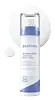
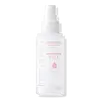
Aestura Atobarrier 365 Cream Mist Versus Covergirl Clean Fresh Prime + Refresh Nourishing Milk Spray
This barrier-repair treatment is formulated around Cholesterol to strengthen the skin barrier and hydrate skin.


What's inside
What's inside
 Key Ingredients
Benefits
Concerns
Ingredients Side-by-side
Water
Skin ConditioningGlycerin
Humectant


Butylene Glycol
Humectant
Caprylic/Capric Triglyceride
Masking
Hydrogenated Poly(C6-14 Olefin)
EmollientDimethicone
Emollient
Cetyl Ethylhexanoate
EmollientHydroxypropyl Bislauramide Mea
Emollient1,2-Hexanediol
Skin Conditioning
Sodium Surfactin
CleansingCholesterol
Emollient
Glyceryl Caprylate
EmollientDisodium EDTA
ChelatingEthylhexylglycerin
Skin ConditioningBehenic Acid
Cleansing

Tocopherol
Antioxidant





Water
Skin ConditioningGlycerin
Humectant
Propanediol
Solvent
Glyceryl Stearate Se
Emulsifying


Caprylyl/Capryl Glucoside
Cleansing1,2-Hexanediol
Skin Conditioning
Caprylyl Glycol
Emollient
Hydroxyacetophenone
Antioxidant
Pullulan
Parfum
Masking


Hyaluronic Acid
Humectant
Glucose
Humectant
Polyglyceryl-10 Stearate
Skin Conditioning
Limonene
Perfuming
Curcuma Longa Root Extract
Antioxidant
Triethyl Citrate
Masking
Polyglyceryl-6 Behenate
Emulsion Stabilising
Ceramide NP
Skin Conditioning

Hexyl Cinnamal
Perfuming
Ceramide AP
Skin Conditioning
Cholesterol
Emollient
Phytosphingosine
Skin Conditioning
Behenic Acid
Cleansing
Cetearyl Alcohol
Emollient
Glyceryl Stearate
Emollient
Sodium Levulinate
Skin ConditioningPotassium Sorbate
Preservative
Citric Acid
Buffering
Sodium Cetearyl Sulfate
Cleansing
Ceramide EOP
Skin Conditioning
Water, Glycerin, Propanediol, Glyceryl Stearate Se, Caprylyl/Capryl Glucoside, 1,2-Hexanediol, Caprylyl Glycol, Hydroxyacetophenone, Pullulan, Parfum, Hyaluronic Acid, Glucose, Polyglyceryl-10 Stearate, Limonene, Curcuma Longa Root Extract, Triethyl Citrate, Polyglyceryl-6 Behenate, Ceramide NP, Hexyl Cinnamal, Ceramide AP, Cholesterol, Phytosphingosine, Behenic Acid, Cetearyl Alcohol, Glyceryl Stearate, Sodium Levulinate, Potassium Sorbate, Citric Acid, Sodium Cetearyl Sulfate, Ceramide EOP
Reviews
Ingredients Explained
These ingredients are found in both products.
Ingredients higher up in an ingredient list are typically present in a larger amount.
1,2-Hexanediol is a synthetic liquid and another multi-functional powerhouse.
It is a:
- Humectant, drawing moisture into the skin
- Emollient, helping to soften skin
- Solvent, dispersing and stabilizing formulas
- Preservative booster, enhancing the antimicrobial activity of other preservatives
Behenic acid is a long-chain fatty acid with 22 carbon atoms (C22) that is naturally found in moringa, rapeseed, and peanut oil.
In skincare, it's about as drama-free as ingredients come. It acts primarily as a texture enhancer, thickener, and opacifying agent that gives richness and viscosity to formulas.
On skin, it forms a protective, emollient layer that helps with moisture retention and contributes to barrier integrity.
In vitro studies on genotoxicity have come back negative and this ingredient is well-tolerated. Typical use concentrations range from 0.024%-22%.
This ingredient may not be fungal acne safe because Behenic acid falls within the C11-24 fatty acid range capable of supporting Malassezia growth.
Learn more about Behenic AcidCholesterol is a lipid that is naturally found in human skin and is one of the three key components of your skin barrier. In skincare, it is an emollient and barrier-repairing ingredient.
It works by fitting directly into the lipid layers of skin to help restore structure and reduce transepidermal water loss (TEWL).
This is a great ingredient for dry, compromised, or aging skin; our skin starts to produce less cholesterol with age.
Research shows cholesterol works best in combination with ceramides and fatty acids, the other two major components in your skin barrier.
Cholesterol is also a well-establish penetration enhancer and can help other actives absorb more effectively.
Cosmetic-grade cholesterol is usually derived from lanolin but plant and synthetic options also exist. We recommend reaching out to the brand if you have questions about their source of cholesterol.
Learn more about CholesterolGlycerin (or glycerol) is a compound naturally found in your skin. It's a powerhouse humectant that pulls water into the stratum corneum.
Topically, glycerin does several things at once:
Your skin makes glycerin on its own (mostly from sebaceous oil breakdown) and shuttles it to your outermost layer of skin, or your epidermis, via aquaporin-3.
Aquaporin-3 is a transporter that is essential for normal skin hydration, elasticity, and repair. Interestingly, mice lacking in AQP3 have dry and less elastic skin that can be fully corrected with glycerin.
This ingredient is non-irritating, plays well with almost every ingredient, and works across all skin types. Typical use is anywhere between 3-10% but can go up to 79% in some leave-on products.
Just know very high concentrations (>40%) can feel tacky in low humidity.
Glycerin is the name for this ingredient in American English. British English uses Glycerol/Glycerine.
Learn more about GlycerinWater. It's the most common cosmetic ingredient of all. You'll usually see it at the top of ingredient lists, meaning that it makes up the largest part of the product.
So why is it so popular? Water most often acts as a solvent - this means that it helps dissolve other ingredients into the formulation.
You'll also recognize water as that liquid we all need to stay alive. If you see this, drink a glass of water. Remember to stay hydrated!
Learn more about Water

