Aestura A-Cica 365 Soft Calming Mask Pad Versus VT Cosmetics Reedle Shot Synergy Sparkling Toner Pad
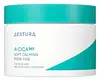
This calming toner pad uses a pre-saturated pad with Allantoin and Madecassoside to calm redness and strengthen the skin barrier.
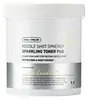
This hydrating toner pad uses a pre-saturated pad with Panthenol and Centella Asiatica Extract to hydrate skin and calm redness.

What's inside
What's inside
 Key Ingredients
Benefits
Ingredients Side-by-side
Water
Skin ConditioningGlycerin
Humectant


Butylene Glycol
Humectant
1,2-Hexanediol
Skin Conditioning
Caprylic/Capric Triglyceride
Masking
Dibutyl Adipate
EmollientHydrogenated Lecithin
Emulsifying
Allantoin
Skin Conditioning

Ammonium Acryloyldimethyltaurate/Vp Copolymer
Cholesterol
Emollient
Propanediol
Solvent
Ethylhexylglycerin
Skin ConditioningMadecassoside
Antioxidant


Phytosterols
Skin Conditioning
Beta-Glucan
Skin Conditioning
Tocopherol
Antioxidant


Water
Skin ConditioningMethylpropanediol
SolventGlycerin
Humectant
Dipropylene Glycol
HumectantXylitol
Humectant
Betaine
Humectant
Glyceryl Glucoside
Humectant
Carbomer
Emulsion StabilisingArginine
Masking
Disodium EDTA
ChelatingAmmonium Acryloyldimethyltaurate/Vp Copolymer
Panthenol
Skin Conditioning
Butylene Glycol
Humectant
Melaleuca Alternifolia Leaf Extract
Perfuming
Portulaca Oleracea Extract
Skin Conditioning
Glucose
Humectant
Xylitylglucoside
Humectant
Anhydroxylitol
Humectant
Glyceryl Acrylate/Acrylic Acid Copolymer
HumectantCentella Asiatica Extract
Cleansing
Chamaecyparis Obtusa Leaf Extract
Skin ConditioningSodium Hyaluronate
Humectant
Madecassoside
Antioxidant
Madecassic Acid
Skin Conditioning
Asiaticoside
Antioxidant
Asiatic Acid
Skin Conditioning
Propolis Extract
Skin Conditioning

1,2-Hexanediol
Skin Conditioning
Ethylhexylglycerin
Skin ConditioningHydroxyacetophenone
Antioxidant
Caprylyl Glycol
Emollient
Water, Methylpropanediol, Glycerin, Dipropylene Glycol, Xylitol, Betaine, Glyceryl Glucoside, Carbomer, Arginine, Disodium EDTA, Ammonium Acryloyldimethyltaurate/Vp Copolymer, Panthenol, Butylene Glycol, Melaleuca Alternifolia Leaf Extract, Portulaca Oleracea Extract, Glucose, Xylitylglucoside, Anhydroxylitol, Glyceryl Acrylate/Acrylic Acid Copolymer, Centella Asiatica Extract, Chamaecyparis Obtusa Leaf Extract, Sodium Hyaluronate, Madecassoside, Madecassic Acid, Asiaticoside, Asiatic Acid, Propolis Extract, 1,2-Hexanediol, Ethylhexylglycerin, Hydroxyacetophenone, Caprylyl Glycol
Reviews
Ingredients Explained
These ingredients are found in both products.
Ingredients higher up in an ingredient list are typically present in a larger amount.
1,2-Hexanediol is a synthetic liquid and another multi-functional powerhouse.
It is a:
- Humectant, drawing moisture into the skin
- Emollient, helping to soften skin
- Solvent, dispersing and stabilizing formulas
- Preservative booster, enhancing the antimicrobial activity of other preservatives
Ammonium Acryloyldimethyltaurate/Vp Copolymer is a synthetically created polymer. It's used as a film-forming agent and used to thicken the consistency of products.
Think of it as a supportive ingredient that helps your gel-creams feel silky, "cloud cream-like", and spread evenly without being greasy.
The Cosmetic Ingredient Review (CIR) Expert Panel evaluated it (along with 22 other acryloyldimethyltaurate polymers) and concluded it's:
Due to its large molecular size, it sits on the surface of skin rather than penetrating it.
Learn more about Ammonium Acryloyldimethyltaurate/Vp CopolymerButylene Glycol (or BG) is used within cosmetic products for a few different reasons:
Overall, Butylene Glycol is a safe and well-rounded ingredient that works well with other ingredients.
Though this ingredient works well with most skin types, some people with sensitive skin may experience a reaction such as allergic rashes, closed comedones, or itchiness.
Learn more about Butylene GlycolEthylhexylglycerin is created from glycerin. It is a multitasker ingredient that:
The CIR Expert Panel found minimal skin absorption or sensitization of any kind in a safety assessment. Though this ingredient is considered well-tolerated, a small number of cases of allergic dermatitis have been published since 2002. Just be sure to patch test if you are unsure.
Industry-reported use ranges from 8% in rinse-off products and 2% in leave-on formulations.
Learn more about EthylhexylglycerinGlycerin (or glycerol) is a compound naturally found in your skin. It's a powerhouse humectant that pulls water into the stratum corneum.
Topically, glycerin does several things at once:
Your skin makes glycerin on its own (mostly from sebaceous oil breakdown) and shuttles it to your outermost layer of skin, or your epidermis, via aquaporin-3.
Aquaporin-3 is a transporter that is essential for normal skin hydration, elasticity, and repair. Interestingly, mice lacking in AQP3 have dry and less elastic skin that can be fully corrected with glycerin.
This ingredient is non-irritating, plays well with almost every ingredient, and works across all skin types. Typical use is anywhere between 3-10% but can go up to 79% in some leave-on products.
Just know very high concentrations (>40%) can feel tacky in low humidity.
Glycerin is the name for this ingredient in American English. British English uses Glycerol/Glycerine.
Learn more about GlycerinMadecassoside is one of four active compounds found in Centella asiatica and is one of the main reasons Centella is so effective at calming irritated skin and supporting the moisture barrier.
There's a solid body of peer-reviewed research backing Madecassoside for several skin benefits. Studies have found:
Madecassoside pairs well with other hydrating or antioxidant ingredients like Ascorbic Acid or Hyaluronic Acid.
Learn more about MadecassosideWater. It's the most common cosmetic ingredient of all. You'll usually see it at the top of ingredient lists, meaning that it makes up the largest part of the product.
So why is it so popular? Water most often acts as a solvent - this means that it helps dissolve other ingredients into the formulation.
You'll also recognize water as that liquid we all need to stay alive. If you see this, drink a glass of water. Remember to stay hydrated!
Learn more about Water

