

What's inside
What's inside
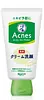 Key Ingredients
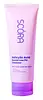
Benefits
Concerns
Ingredients Side-by-side
O-Cymen-5-Ol
Antimicrobial
Dipotassium Glycyrrhizate
Humectant

Ascorbic Acid
Antioxidant






Trimagnesium Phosphate
Tocopheryl Acetate
Antioxidant
Glycerin
Humectant

Butylene Glycol
Humectant
Dipropylene Glycol
HumectantGlycol Distearate
Emollient

Palmitic Acid
Emollient
Myristic Acid
Cleansing

Lauric Acid
Cleansing
Potassium Hydroxide
BufferingPEG-3 Stearate
HumectantPEG-150 Distearate
Emulsifying
Oleic Acid
Emollient
Sodium Hydroxide
BufferingCocamide Mea
Emulsifying
Alcohol Denat.
Antimicrobial


CI 77288
Cosmetic ColorantParfum
Masking

O-Cymen-5-Ol, Dipotassium Glycyrrhizate, Ascorbic Acid, Trimagnesium Phosphate, Tocopheryl Acetate, Glycerin, Butylene Glycol, Dipropylene Glycol, Glycol Distearate, Palmitic Acid, Myristic Acid, Lauric Acid, Potassium Hydroxide, PEG-3 Stearate, PEG-150 Distearate, Oleic Acid, Sodium Hydroxide, Cocamide Mea, Alcohol Denat., CI 77288, Parfum
Water
Skin ConditioningCocamidopropyl Betaine
Cleansing
Glycerin
Humectant
Salicylic Acid
Masking



Acrylates Copolymer
Sodium Lauroyl Methylaminopropionate
CleansingCitric Acid
Buffering
Allantoin
Skin Conditioning
Sodium Benzoate
Masking
Potassium Hydroxide
BufferingSodium PCA
Humectant
Potassium Cocoyl Glycinate
Surfactant
Panthenol
Skin Conditioning
Potassium Cocoate
Emulsifying
Mannitol
Humectant
Microcrystalline Cellulose
AbsorbentSucrose
Humectant
Zea Mays Starch
Absorbent
Hydroxypropyl Methylcellulose
Emulsion StabilisingMica
Cosmetic ColorantTitanium Dioxide
Cosmetic Colorant

Ectoin
Skin Conditioning
Water, Cocamidopropyl Betaine, Glycerin, Salicylic Acid, Acrylates Copolymer, Sodium Lauroyl Methylaminopropionate, Citric Acid, Allantoin, Sodium Benzoate, Potassium Hydroxide, Sodium PCA, Potassium Cocoyl Glycinate, Panthenol, Potassium Cocoate, Mannitol, Microcrystalline Cellulose, Sucrose, Zea Mays Starch, Hydroxypropyl Methylcellulose, Mica, Titanium Dioxide, Ectoin
Reviews
Ingredients Explained
These ingredients are found in both products.
Ingredients higher up in an ingredient list are typically present in a larger amount.
Glycerin (or glycerol) is a compound naturally found in your skin. It's a powerhouse humectant that pulls water into the stratum corneum.
Topically, glycerin does several things at once:
Your skin makes glycerin on its own (mostly from sebaceous oil breakdown) and shuttles it to your outermost layer of skin, or your epidermis, via aquaporin-3.
Aquaporin-3 is a transporter that is essential for normal skin hydration, elasticity, and repair. Interestingly, mice lacking in AQP3 have dry and less elastic skin that can be fully corrected with glycerin.
This ingredient is non-irritating, plays well with almost every ingredient, and works across all skin types. Typical use is anywhere between 3-10% but can go up to 79% in some leave-on products.
Just know very high concentrations (>40%) can feel tacky in low humidity.
Glycerin is the name for this ingredient in American English. British English uses Glycerol/Glycerine.
Learn more about GlycerinPotassium hydroxide is commonly known as caustic potash. It is used to fix the pH of a product or as a cleaning agent in soap. In cleansers, it is used for the saponification of oils.
Sapnification is the process of creating fatty acid metal salts from triglycerides and a strong base. During this process, Potassium Hydroxide is used up and is not present in the final product.
Using high concentrations of Potassium Hydroxide have shown to irritate the skin.
Learn more about Potassium Hydroxide

