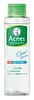
This acne toner is formulated around Glycolic Acid and Lactic Acid to clear breakouts and refine skin texture.
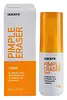
This acne toner is formulated around Salicylic Acid and Niacinamide to clear breakouts and refine the look of pores.


What's inside
What's inside
 Key Ingredients
Benefits
Concerns
Ingredients Side-by-side
O-Cymen-5-Ol
Antimicrobial
Dipotassium Glycyrrhizate
Humectant

Cetyl Phosphate
EmulsifyingGlycolic Acid
Buffering











Lactic Acid
Buffering
Tocopheryl Acetate
Antioxidant

Coix Lacryma-Jobi Ma-Yuen Seed Extract
Skin ConditioningAloe Barbadensis Leaf Extract
Emollient
Glycerin
Humectant
Butylene Glycol
Humectant
Arginine
Masking
PEG-7
HumectantDisodium Succinate
MaskingHydrogenated Castor Oil
Emollient

EDTA
Succinic Acid
BufferingAlcohol
Antimicrobial

C4-18 Alkyl Methacrylate/Methacryloyloxyethyl Phosphorylcholine Copolymer
HumectantParfum
Masking

O-Cymen-5-Ol, Dipotassium Glycyrrhizate, Cetyl Phosphate, Glycolic Acid, Lactic Acid, Tocopheryl Acetate, Coix Lacryma-Jobi Ma-Yuen Seed Extract, Aloe Barbadensis Leaf Extract, Glycerin, Butylene Glycol, Arginine, PEG-7, Disodium Succinate, Hydrogenated Castor Oil, EDTA, Succinic Acid, Alcohol, C4-18 Alkyl Methacrylate/Methacryloyloxyethyl Phosphorylcholine Copolymer, Parfum
Water
Skin ConditioningPropanediol
Solvent
Salicylic Acid
Masking
Glycerin
Humectant
Niacinamide
Smoothing
PEG-40 Hydrogenated Castor Oil
Emulsifying
Sodium Hydroxide
BufferingGlycolic Acid
Buffering
Phenoxyethanol
Preservative
Caprylyl Glycol
Emollient
Octyldodecanol
Emollient
Echium Plantagineum Seed Oil
Skin Conditioning
Helianthus Annuus Seed Oil
Emollient
Cardiospermum Halicacabum Flower/Leaf/Vine Extract
Skin ConditioningTocopherol
Antioxidant
Potassium Azeloyl Diglycinate
Skin Conditioning
Allantoin
Skin Conditioning
Tetrasodium EDTA
Parfum
Masking
Melaleuca Alternifolia Leaf Oil
Antioxidant
Propylene Glycol
Humectant
Hexamidine Diisethionate
Emollient
Water, Propanediol, Salicylic Acid, Glycerin, Niacinamide, PEG-40 Hydrogenated Castor Oil, Sodium Hydroxide, Glycolic Acid, Phenoxyethanol, Caprylyl Glycol, Octyldodecanol, Echium Plantagineum Seed Oil, Helianthus Annuus Seed Oil, Cardiospermum Halicacabum Flower/Leaf/Vine Extract, Tocopherol, Potassium Azeloyl Diglycinate, Allantoin, Tetrasodium EDTA, Parfum, Melaleuca Alternifolia Leaf Oil, Propylene Glycol, Hexamidine Diisethionate
Reviews
Ingredients Explained
These ingredients are found in both products.
Ingredients higher up in an ingredient list are typically present in a larger amount.
Glycerin (or glycerol) is a compound naturally found in your skin. It's a powerhouse humectant that pulls water into the stratum corneum.
Topically, glycerin does several things at once:
Your skin makes glycerin on its own (mostly from sebaceous oil breakdown) and shuttles it to your outermost layer of skin, or your epidermis, via aquaporin-3.
Aquaporin-3 is a transporter that is essential for normal skin hydration, elasticity, and repair. Interestingly, mice lacking in AQP3 have dry and less elastic skin that can be fully corrected with glycerin.
This ingredient is non-irritating, plays well with almost every ingredient, and works across all skin types. Typical use is anywhere between 3-10% but can go up to 79% in some leave-on products.
Just know very high concentrations (>40%) can feel tacky in low humidity.
Glycerin is the name for this ingredient in American English. British English uses Glycerol/Glycerine.
Learn more about GlycerinGlycolic Acid is arguably the most famous alpha hydroxy acid (AHA) with tons of research backing its benefits.
It is found naturally in sugar cane but the form used in skincare is usually synthetic for purity and stability.
Glycolic acid removes the top layer of dead skin cells to allow newer and fresher ones to emerge.
AHAs work by breaking down the structural “glue” that holds old skin cells in place. When that buildup is gone, your skin can renew itself more efficiently.
Research also shows glycolic acid stimulates collagen production, helping to firm and thicken the skin over time. This is one of its biggest advantages over other AHAs.
Overall, glycolic acid helps with:
Fun fact: Glycolic acid boosts skin hydration by helping it produce molecules that increase hyaluronic acid naturally.
To work best, glycolic acid products should have a pH between 3-4 (that’s where exfoliation is most effective but still gentle on skin).
The pH and concentration of a product are key to its effectiveness:
It is normal to feel a slight stinging sensation when using glycolic acid. This usually fades as your skin adjusts.
Because glycolic acid has the smallest molecular size in the AHA family, it can penetrate deeper, which enhances its effectiveness but also makes it more likely to irritate sensitive skin.
If your skin is very sensitive or prone to rosacea, glycolic acid may be too strong; in that case, try milder options like lactic acid or a PHA instead.
Recent studies suggest glycolic acid might even help protect against UV damage. But don’t skip sunscreen! Freshly exfoliated skin is more sensitive to the sun.
Glycolic acid is a skincare superstar. It smooths, brightens, hydrates, and firms the skin. Unless you’re highly sensitive, it’s well worth adding to your routine.
Read more about some other popular AHA's here:
Learn more about Glycolic AcidParfum is a catch-all term for an ingredient or more that is used to give a scent to products.
Also called "fragrance", this ingredient can be a blend of hundreds of chemicals or plant oils. This means every product with "fragrance" or "parfum" in the ingredients list is a different mixture.
For instance, Habanolide is a proprietary trade name for a specific aroma chemical. When used as a fragrance ingredient in cosmetics, most aroma chemicals fall under the broad labeling category of “FRAGRANCE” or “PARFUM” according to EU and US regulations.
The term 'parfum' or 'fragrance' is not regulated in many countries. In many cases, it is up to the brand to define this term.
For instance, many brands choose to label themselves as "fragrance-free" because they are not using synthetic fragrances. However, their products may still contain ingredients such as essential oils that are considered a fragrance by INCI standards.
One example is Calendula flower extract. Calendula is an essential oil that still imparts a scent or 'fragrance'.
Depending on the blend, the ingredients in the mixture can cause allergies and sensitivities on the skin. Some ingredients that are known EU allergens include linalool and citronellol.
Parfum can also be used to mask or cover an unpleasant scent.
The bottom line is: not all fragrances/parfum/ingredients are created equally. If you are worried about fragrances, we recommend taking a closer look at an ingredient. And of course, we always recommend speaking with a professional.
Learn more about Parfum

