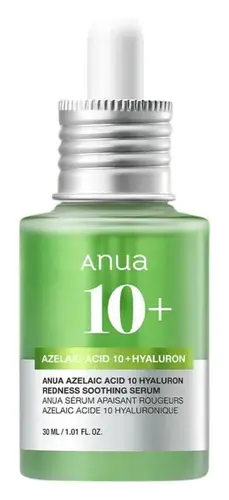
This calming ampoule is formulated around Dipotassium Glycyrrhizate and Madecassoside to calm redness and strengthen the skin barrier.
This acne serum is formulated around Niacinamide and Madecassoside to clear breakouts and calm redness.

What's inside
What's inside
 Key Ingredients
Benefits
Ingredients Side-by-side
Water
Skin ConditioningButylene Glycol
Humectant

Methylpropanediol
Solvent1,2-Hexanediol
Skin Conditioning
Dimethyl Sulfone
SolventDipotassium Glycyrrhizate
Humectant

Madecassoside
Antioxidant



Zinc Gluconate
Skin Conditioning



Allantoin
Skin Conditioning
Ethylhexanamide Serinol
EmollientOleamide Mea
Methylbenzyl Methylbenzimidazole Piperidinylmethanone
Sodium Hyaluronate
Humectant
Acrylates/C10-30 Alkyl Acrylate Crosspolymer
Emulsion StabilisingPolyphosphorylcholine Glycol Acrylate
Arginine
Masking
Sodium Citrate
BufferingWater, Butylene Glycol, Methylpropanediol, 1,2-Hexanediol, Dimethyl Sulfone, Dipotassium Glycyrrhizate, Madecassoside, Zinc Gluconate, Allantoin, Ethylhexanamide Serinol, Oleamide Mea, Methylbenzyl Methylbenzimidazole Piperidinylmethanone, Sodium Hyaluronate, Acrylates/C10-30 Alkyl Acrylate Crosspolymer, Polyphosphorylcholine Glycol Acrylate, Arginine, Sodium Citrate
Water
Skin ConditioningPentylene Glycol
Skin Conditioning
2,3-Butanediol
HumectantDiethoxyethyl Succinate
SolventDimethyl Sulfone
SolventNiacinamide
Smoothing


Lactobacillus Ferment
Skin Conditioning
Ammonium Polyacryloyldimethyl Taurate
Emulsion StabilisingGlycerin
Humectant
Panthenol
Skin Conditioning
Succinic Acid
BufferingTromethamine
BufferingButylene Glycol
Humectant
Dipotassium Glycyrrhizate
Humectant
Allantoin
Skin Conditioning
Stevia Rebaudiana Leaf/Stem Extract
Masking1,2-Hexanediol
Skin Conditioning
Disodium EDTA
Dextrin
AbsorbentTheobroma Cacao Seed Extract
Antioxidant
Centella Asiatica Extract
Cleansing
Houttuynia Cordata Extract
Skin Conditioning
Mentha Aquatica Extract
TonicMentha Suaveolens Leaf Extract
AstringentMentha Viridis Extract
MaskingAsiatic Acid
Skin Conditioning
Asiaticoside
Antioxidant
Madecassic Acid
Skin Conditioning
Madecassoside
Antioxidant
Salix Alba Bark Extract
Astringent
Water, Pentylene Glycol, 2,3-Butanediol, Diethoxyethyl Succinate, Dimethyl Sulfone, Niacinamide, Lactobacillus Ferment, Ammonium Polyacryloyldimethyl Taurate, Glycerin, Panthenol, Succinic Acid, Tromethamine, Butylene Glycol, Dipotassium Glycyrrhizate, Allantoin, Stevia Rebaudiana Leaf/Stem Extract, 1,2-Hexanediol, Disodium EDTA, Dextrin, Theobroma Cacao Seed Extract, Centella Asiatica Extract, Houttuynia Cordata Extract, Mentha Aquatica Extract, Mentha Suaveolens Leaf Extract, Mentha Viridis Extract, Asiatic Acid, Asiaticoside, Madecassic Acid, Madecassoside, Salix Alba Bark Extract
Reviews
Ingredients Explained
These ingredients are found in both products.
Ingredients higher up in an ingredient list are typically present in a larger amount.
1,2-Hexanediol is a synthetic liquid and another multi-functional powerhouse.
It is a:
- Humectant, drawing moisture into the skin
- Emollient, helping to soften skin
- Solvent, dispersing and stabilizing formulas
- Preservative booster, enhancing the antimicrobial activity of other preservatives
Allantoin is a soothing ingredient known for its protective and moisturizing properties; it's basically a quiet workhorse ingredient you can find in a huge range of cosmetics.
Though it can be derived from the comfrey plant, allantoin is produced synthetically for cosmetic products to ensure purity.
Research shows it can encourage your skin cells to turn over and renew by stimulating keratinocyte and fibroblast proliferation.
It also has mild keratolytic properties to help loosen and shed dead skin cells without being harsh.
Studies also suggest allantoin can help calm inflammation by dialing down some of the chemical signals your skin sends out when it is irritated.
This ingredient is typically used in the 0.1-0.5% range, and the FDA recognizes it as a skin protectant in OTC products up to 2%.
Overall, allantoin is a wonderful addition to most routines; it is stable across a wide pH range (~4-8), works well with other ingredients, and is considered non-sensitizing/non-irritating.
Fun fact: Allantoin is naturally occurring in comfrey root, beets, chamomile, and wheat sprouts. Our bodies even produce it as a byproduct of uric acid metabolism.
Learn more about AllantoinButylene Glycol (or BG) is used within cosmetic products for a few different reasons:
Overall, Butylene Glycol is a safe and well-rounded ingredient that works well with other ingredients.
Though this ingredient works well with most skin types, some people with sensitive skin may experience a reaction such as allergic rashes, closed comedones, or itchiness.
Learn more about Butylene GlycolDimethyl Sulfone is an organic compound that naturally contains sulfur. It is used as a solvent due to its stability. Solvents help mix and stabilize other ingredients.
Studies show taking Dimethyl Sulfone (also known as methylsulfonylmethane or MSM) orally may help reduce the depth of wrinkles. We recommend speaking with a professional if you have any questions or concerns about this ingredient.
Dipotassium Glycyrrhizate comes from licorice root.
Extracts of licorice have demonstrated to have antibacterial, anti‐inflammatory, antiviral, antioxidant properties.
One component, glabridin, has extra potent antioxidant and soothing properties. It has also been found to block pigmentation from UVB rays in guinea pigs.
Licorice Root also contains a flavonoid. Flavonoids are a natural substance from in plants. Flavonoids also have antioxidant properties.
Another component, glycyrrhizin, has been found to have anti-inflammatory and antimicrobial benefits. This may make licorice root extract effective at treating acne. However, more research is needed to support this.
Liquiritin is one of the flavone compounds found in licorice. It has been found to help lighten skin by preventing tyrosinase from reacting with tyrosine. When the two react, protein is converted to melanin. Melanin is the substance in your body that gives your features pigmentation.
Licorice root is native to Southern Europe and Asia. It has been used in traditional Chinese medicine to help with respiratory issues.
Learn more about Dipotassium GlycyrrhizateMadecassoside is one of four active compounds found in Centella asiatica and is one of the main reasons Centella is so effective at calming irritated skin and supporting the moisture barrier.
There's a solid body of peer-reviewed research backing Madecassoside for several skin benefits. Studies have found:
Madecassoside pairs well with other hydrating or antioxidant ingredients like Ascorbic Acid or Hyaluronic Acid.
Learn more about MadecassosideWater. It's the most common cosmetic ingredient of all. You'll usually see it at the top of ingredient lists, meaning that it makes up the largest part of the product.
So why is it so popular? Water most often acts as a solvent - this means that it helps dissolve other ingredients into the formulation.
You'll also recognize water as that liquid we all need to stay alive. If you see this, drink a glass of water. Remember to stay hydrated!
Learn more about Water