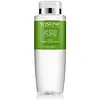
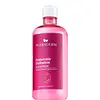
Yoskine Japan Pure Rice Multi-Action Micellar Water Versus Herba Derm Hyaluronic Hydration Micellar Water
This mild micellar makeup remover is made to dissolve makeup, sunscreen, and daily buildup.
This mild micellar makeup remover is made to dissolve makeup, sunscreen, and daily buildup.


What's inside
What's inside
 Key Ingredients
Benefits
Concerns
No concerns
Ingredients Side-by-side
Water
Skin ConditioningPEG-6 Caprylic/Capric Glycerides
EmulsifyingGlycerin
Humectant


1,2-Hexanediol
Skin Conditioning
Aloe Barbadensis Leaf Juice Powder
Skin Conditioning

Rice Ferment Filtrate
Skin Conditioning

Hydrolyzed Candida Saitoana Extract
Skin ProtectingBetaine
Humectant
Pullulan
Polysorbate 20
Emulsifying

Disodium EDTA
ChelatingButeth-3
SolventButylene Glycol
Humectant
Sodium Benzotriazolyl Butylphenol Sulfonate
UV AbsorberTributyl Citrate
SolventEthylhexylglycerin
Skin ConditioningHydroxyacetophenone
Antioxidant
Phenoxyethanol
Preservative
Water, PEG-6 Caprylic/Capric Glycerides, Glycerin, 1,2-Hexanediol, Aloe Barbadensis Leaf Juice Powder, Rice Ferment Filtrate, Hydrolyzed Candida Saitoana Extract, Betaine, Pullulan, Polysorbate 20, Disodium EDTA, Buteth-3, Butylene Glycol, Sodium Benzotriazolyl Butylphenol Sulfonate, Tributyl Citrate, Ethylhexylglycerin, Hydroxyacetophenone, Phenoxyethanol
Water
Skin ConditioningButylene Glycol
Humectant
Glycerin
Humectant
Pentylene Glycol
Skin Conditioning
Propanediol
Solvent
Polyglyceryl-4 Laurate/Sebacate
SolventPolyglyceryl-6 Caprylate/Caprate
StabilisingBetaine
Humectant
Sodium Hyaluronate
Humectant
Saccharide Isomerate
Humectant
Inulin
Skin Conditioning
Centella Asiatica Leaf Extract
Skin Conditioning
Sodium PCA
Humectant
Arginine
Masking
Sodium Gluconate
ChelatingSodium Lactate
Buffering
Aspartic Acid
Masking
PCA
Humectant
Glycine
Buffering
Alanine
Masking
Serine
Masking
Valine
MaskingProline
Skin Conditioning
Threonine
Isoleucine
Skin ConditioningHistidine
Humectant
Phenylalanine
Masking
Sodium Levulinate
Skin ConditioningCitric Acid
Buffering

Sodium Citrate
BufferingPotassium Sorbate
Preservative
Water, Butylene Glycol, Glycerin, Pentylene Glycol, Propanediol, Polyglyceryl-4 Laurate/Sebacate, Polyglyceryl-6 Caprylate/Caprate, Betaine, Sodium Hyaluronate, Saccharide Isomerate, Inulin, Centella Asiatica Leaf Extract, Sodium PCA, Arginine, Sodium Gluconate, Sodium Lactate, Aspartic Acid, PCA, Glycine, Alanine, Serine, Valine, Proline, Threonine, Isoleucine, Histidine, Phenylalanine, Sodium Levulinate, Citric Acid, Sodium Citrate, Potassium Sorbate
Ingredients Explained
These ingredients are found in both products.
Ingredients higher up in an ingredient list are typically present in a larger amount.
Betaine is a humectant. Like hyaluronic acid, it helps attract and retain moisture in the skin. It’s known for being gentle and for helping the skin maintain balanced hydration.
Betaine is mainly used to improve hydration and support calmer skin. It helps skin cells regulate water balance because it functions as an osmolyte.
Some studies suggest betaine may support making skin tone more even.
Fun fact: Betaine naturally exists in the skin and the body. In cosmetic products, it can be either plant-derived (most commonly from sugar beets) or synthetically produced for consistency and stability.
Betaine is also known as trimethylglycine.
Learn more about BetaineButylene Glycol (or BG) is used within cosmetic products for a few different reasons:
Overall, Butylene Glycol is a safe and well-rounded ingredient that works well with other ingredients.
Though this ingredient works well with most skin types, some people with sensitive skin may experience a reaction such as allergic rashes, closed comedones, or itchiness.
Learn more about Butylene GlycolGlycerin (or glycerol) is a compound naturally found in your skin. It's a powerhouse humectant that pulls water into the stratum corneum.
Topically, glycerin does several things at once:
Your skin makes glycerin on its own (mostly from sebaceous oil breakdown) and shuttles it to your outermost layer of skin, or your epidermis, via aquaporin-3.
Aquaporin-3 is a transporter that is essential for normal skin hydration, elasticity, and repair. Interestingly, mice lacking in AQP3 have dry and less elastic skin that can be fully corrected with glycerin.
This ingredient is non-irritating, plays well with almost every ingredient, and works across all skin types. Typical use is anywhere between 3-10% but can go up to 79% in some leave-on products.
Just know very high concentrations (>40%) can feel tacky in low humidity.
Glycerin is the name for this ingredient in American English. British English uses Glycerol/Glycerine.
Learn more about GlycerinWater. It's the most common cosmetic ingredient of all. You'll usually see it at the top of ingredient lists, meaning that it makes up the largest part of the product.
So why is it so popular? Water most often acts as a solvent - this means that it helps dissolve other ingredients into the formulation.
You'll also recognize water as that liquid we all need to stay alive. If you see this, drink a glass of water. Remember to stay hydrated!
Learn more about Water

