Wet n Wild Photo Focus Dewy Liquid Foundation Makeup Versus KVD Vegan Beauty Lock-It Liquid Foundation

What's inside
What's inside
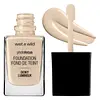 Key Ingredients
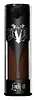
No key ingredients
Benefits
Concerns
Ingredients Side-by-side
Water
Skin ConditioningCyclopentasiloxane
Emollient
C12-15 Alkyl Benzoate
AntimicrobialDiphenylsiloxy Phenyl Trimethicone
Skin Conditioning
PEG-10 Dimethicone
Skin Conditioning
Isopentyldiol
Humectant
Glycerin
Humectant

Butylene Glycol Dicaprylate/Dicaprate
EmollientPentylene Glycol
Skin Conditioning
Synthetic Fluorphlogopite
Lauryl PEG-10 Tris(Trimethylsiloxy)Silylethyl Dimethicone
Emulsifying
Magnesium Sulfate
Trimethylsiloxysilicate
Emollient
Phenoxyethanol
Preservative
Disteardimonium Hectorite
StabilisingVinyl Dimethicone/Methicone Silsesquioxane Crosspolymer

Sorbitan Isostearate
Emulsifying

Triethoxycaprylylsilane
Ethylhexylglycerin
Skin ConditioningParfum
Masking



Disodium EDTA
ChelatingDimethicone
Emollient
Dimethicone/Vinyl Dimethicone Crosspolymer
Skin Conditioning
Hydrogenated Castor Oil Isostearate
Skin Conditioning
CI 77891
Cosmetic ColorantIron Oxides
CI 77492
Cosmetic ColorantCI 77499
Cosmetic ColorantWater, Cyclopentasiloxane, C12-15 Alkyl Benzoate, Diphenylsiloxy Phenyl Trimethicone, PEG-10 Dimethicone, Isopentyldiol, Glycerin, Butylene Glycol Dicaprylate/Dicaprate, Pentylene Glycol, Synthetic Fluorphlogopite, Lauryl PEG-10 Tris(Trimethylsiloxy)Silylethyl Dimethicone, Magnesium Sulfate, Trimethylsiloxysilicate, Phenoxyethanol, Disteardimonium Hectorite, Vinyl Dimethicone/Methicone Silsesquioxane Crosspolymer, Sorbitan Isostearate, Triethoxycaprylylsilane, Ethylhexylglycerin, Parfum, Disodium EDTA, Dimethicone, Dimethicone/Vinyl Dimethicone Crosspolymer, Hydrogenated Castor Oil Isostearate, CI 77891, Iron Oxides, CI 77492, CI 77499
Dimethicone
Emollient
Water
Skin ConditioningPhenyl Trimethicone
Skin Conditioning
Trimethylsiloxysilicate
Emollient
PEG/PPG-18/18 Dimethicone
Emulsifying
Aluminum Starch Octenylsuccinate
Absorbent
Silica Dimethicone Silylate
Absorbent
Butylene Glycol
Humectant
Isononyl Isononanoate
EmollientIsododecane
EmollientGlycerin
Humectant
Sodium Chloride
MaskingDimer Dilinoleyl Dimer Dilinoleate
EmollientGlyceryl Caprylate
EmollientMethicone
Emollient
Sorbitan Sesquioleate
Emulsifying
CI 77220
Cosmetic ColorantTrihydroxystearin
Skin Conditioning
Polysilicone-11
Potassium Sorbate
Preservative
Dimethicone Crosspolymer
Emulsion Stabilising
Methylpropanediol
SolventTalc
Abrasive
Disodium EDTA
ChelatingCaprylhydroxamic Acid
ChelatingCI 77891
Cosmetic ColorantIron Oxides
Dimethicone, Water, Phenyl Trimethicone, Trimethylsiloxysilicate, PEG/PPG-18/18 Dimethicone, Aluminum Starch Octenylsuccinate, Silica Dimethicone Silylate, Butylene Glycol, Isononyl Isononanoate, Isododecane, Glycerin, Sodium Chloride, Dimer Dilinoleyl Dimer Dilinoleate, Glyceryl Caprylate, Methicone, Sorbitan Sesquioleate, CI 77220, Trihydroxystearin, Polysilicone-11, Potassium Sorbate, Dimethicone Crosspolymer, Methylpropanediol, Talc, Disodium EDTA, Caprylhydroxamic Acid, CI 77891, Iron Oxides
Ingredients Explained
These ingredients are found in both products.
Ingredients higher up in an ingredient list are typically present in a larger amount.
Ci 77891 is a white pigment from Titanium dioxide. It is naturally found in minerals such as rutile and ilmenite.
It's main function is to add a white color to cosmetics. It can also be mixed with other colors to create different shades.
Ci 77891 is commonly found in sunscreens due to its ability to block UV rays.
Learn more about CI 77891Dimethicone is a type of synthetic silicone created from natural materials such as quartz. It is also known as polydimethylsiloxane.
What it does:
Dimethicone comes in different viscosities:
Depending on the viscosity, dimethicone has different properties.
Ingredients lists don't always show which type is used, so we recommend reaching out to the brand if you have questions about the viscosity.
This ingredient is unlikely to cause irritation because it does not get absorbed into skin. However, people with silicone allergies should be careful about using this ingredient.
Note: Dimethicone may contribute to pilling. This is because it is not oil or water soluble, so pilling may occur when layered with products. When mixed with heavy oils in a formula, the outcome is also quite greasy.
Learn more about DimethiconeDisodium EDTA is a chelating agent. It grabs onto and deactivates metal ions that sneak into your products from water, packaging, or air.
This ingredient mainly works behind the scenes and helps with:
On top of that, this ingredient can counteract the effects of hard water by binding to the minerals in it.
One thing worth knowing is that Disodium EDTA has been shown to be a mild penetration enhancer. It can help other ingredients absorb into skin more effectively which can be a double-edged sword (great for actives, but can also make the active too strong if you have sensitive skin).
Clinical patch testing showed no significant skin irritation at typical use concentrations and minimal dermal absorption.
You'll most likely see this ingredient near the end of an ingredient list. It's typically found in concentrations less than 1%.
Learn more about Disodium EDTAGlycerin (or glycerol) is a compound naturally found in your skin. It's a powerhouse humectant that pulls water into the stratum corneum.
Topically, glycerin does several things at once:
Your skin makes glycerin on its own (mostly from sebaceous oil breakdown) and shuttles it to your outermost layer of skin, or your epidermis, via aquaporin-3.
Aquaporin-3 is a transporter that is essential for normal skin hydration, elasticity, and repair. Interestingly, mice lacking in AQP3 have dry and less elastic skin that can be fully corrected with glycerin.
This ingredient is non-irritating, plays well with almost every ingredient, and works across all skin types. Typical use is anywhere between 3-10% but can go up to 79% in some leave-on products.
Just know very high concentrations (>40%) can feel tacky in low humidity.
Glycerin is the name for this ingredient in American English. British English uses Glycerol/Glycerine.
Learn more about GlycerinThis silicone is an emollient. Emollients create a thin film on the skin to prevent moisture from escaping.
It is not soluble in water and helps increase water-resistance in products.
According to a manufacturer, it can blend seamlessly with silicone oils, such as Cyclopentasiloxane.
Learn more about TrimethylsiloxysilicateWater. It's the most common cosmetic ingredient of all. You'll usually see it at the top of ingredient lists, meaning that it makes up the largest part of the product.
So why is it so popular? Water most often acts as a solvent - this means that it helps dissolve other ingredients into the formulation.
You'll also recognize water as that liquid we all need to stay alive. If you see this, drink a glass of water. Remember to stay hydrated!
Learn more about WaterThis ingredient is a combination of red, black, and yellow iron oxide pigments. This combination of colors is usually found in foundation, because it results in a "skin" color.
The EU typically uses CI numbers for colorants when applicable, such as CI 77489. In the US, iron oxides are regulated as color additives and "iron oxides" is the most commonly used name in US cosmetic practice.
A 2021 paper looked at skincare formulations containing iron oxides and found that they reduced transmission of blue light when measured optically. In simple terms, the pigment particles helped block or scatter part of the visible light spectrum in lab testing and the authors suggest this could translate into better protection against blue-light-related skin effects.
There is also clinical and experimental research showing that tinted products containing iron oxides can reduce visible light-induced pigmentation:
Please note, whether a product reduces visible or blue light depends on things like:
In the EU's CosIng database, iron oxides are only listed as a colorant. CosIng groups ingredients by their main cosmetic role, such as colorant, preservative, or UV filter.
Though studies say iron oxides can "attenuate blue light", they're describing an optical property and not an officially recognized cosmetic function.
So CosIng isn’t contradicting the research. It’s just classifying iron oxides by what they officially are: pigments that add color.
Learn more about Iron Oxides

