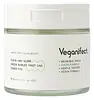
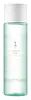
Veganifect Clean And Glow Green Barley First LHA Toner Pad Versus Numbuzin Toner Goodbye Dead Cell 1
This smoothing toner pad uses a pre-saturated pad with Citric Acid and Capryloyl Salicylic Acid to refine skin texture and refine the look of pores.
This smoothing toner is formulated around Aloe Barbadensis Leaf Extract and Gluconolactone to refine skin texture and clear breakouts.

What's inside
What's inside
 Key Ingredients
Benefits
Concerns
Ingredients Side-by-side
Oryza Sativa Bran Water
Masking
Butylene Glycol
Humectant

Dipropylene Glycol
HumectantGlycerin
Humectant
Diglycerin
Humectant
1,2-Hexanediol
Skin Conditioning
Water
Skin ConditioningPolyglyceryl-10 Laurate
Skin Conditioning

Acrylates/C10-30 Alkyl Acrylate Crosspolymer
Emulsion StabilisingTromethamine
BufferingCitric Acid
Buffering

Hydroxyethylcellulose
Emulsion StabilisingHordeum Vulgare Leaf Extract
Skin ConditioningBetaine
Humectant
Melia Azadirachta Leaf Extract
Skin ConditioningBeta-Glucan
Skin Conditioning
Dextrin
AbsorbentHordeum Vulgare Extract
EmollientMelia Azadirachta Flower Extract
Skin ConditioningSuccinic Acid
BufferingPanthenol
Skin Conditioning
Capryloyl Salicylic Acid
Exfoliating




Mandelic Acid
Antimicrobial


Gardenia Florida Fruit Extract
Skin ConditioningPinus Densiflora Leaf Extract
Antimicrobial
Coix Lacryma-Jobi Ma-Yuen Seed Extract
Skin ConditioningCitrus Junos Fruit Extract
Skin ConditioningArtemisia Princeps Leaf Extract
Skin ConditioningTocopherol
Antioxidant
Artemisia Annua Extract
Masking
Benzoic Acid
Masking

Benzaldehyde
Masking

Disodium EDTA
ChelatingEthylhexylglycerin
Skin ConditioningOryza Sativa Bran Water, Butylene Glycol, Dipropylene Glycol, Glycerin, Diglycerin, 1,2-Hexanediol, Water, Polyglyceryl-10 Laurate, Acrylates/C10-30 Alkyl Acrylate Crosspolymer, Tromethamine, Citric Acid, Hydroxyethylcellulose, Hordeum Vulgare Leaf Extract, Betaine, Melia Azadirachta Leaf Extract, Beta-Glucan, Dextrin, Hordeum Vulgare Extract, Melia Azadirachta Flower Extract, Succinic Acid, Panthenol, Capryloyl Salicylic Acid, Mandelic Acid, Gardenia Florida Fruit Extract, Pinus Densiflora Leaf Extract, Coix Lacryma-Jobi Ma-Yuen Seed Extract, Citrus Junos Fruit Extract, Artemisia Princeps Leaf Extract, Tocopherol, Artemisia Annua Extract, Benzoic Acid, Benzaldehyde, Disodium EDTA, Ethylhexylglycerin
Aloe Barbadensis Leaf Extract
Emollient
Butylene Glycol
Humectant
1,2-Hexanediol
Skin Conditioning
Glycerin
Humectant
Carica Papaya Fruit Extract
Skin ConditioningHamamelis Virginiana Extract
Antiseborrhoeic
Melaleuca Alternifolia Leaf Water
Antimicrobial
Melia Azadirachta Leaf Extract
Skin ConditioningMelia Azadirachta Flower Extract
Skin ConditioningPanthenol
Skin Conditioning
Gluconolactone
Chelating
Sodium Hyaluronate
Humectant
Capryloyl Salicylic Acid
Exfoliating
Alcohol
Antimicrobial
Water
Skin ConditioningEthylhexylglycerin
Skin ConditioningDisodium EDTA
ChelatingAloe Barbadensis Leaf Extract, Butylene Glycol, 1,2-Hexanediol, Glycerin, Carica Papaya Fruit Extract, Hamamelis Virginiana Extract, Melaleuca Alternifolia Leaf Water, Melia Azadirachta Leaf Extract, Melia Azadirachta Flower Extract, Panthenol, Gluconolactone, Sodium Hyaluronate, Capryloyl Salicylic Acid, Alcohol, Water, Ethylhexylglycerin, Disodium EDTA
Ingredients Explained
These ingredients are found in both products.
Ingredients higher up in an ingredient list are typically present in a larger amount.
1,2-Hexanediol is a synthetic liquid and another multi-functional powerhouse.
It is a:
- Humectant, drawing moisture into the skin
- Emollient, helping to soften skin
- Solvent, dispersing and stabilizing formulas
- Preservative booster, enhancing the antimicrobial activity of other preservatives
Butylene Glycol (or BG) is used within cosmetic products for a few different reasons:
Overall, Butylene Glycol is a safe and well-rounded ingredient that works well with other ingredients.
Though this ingredient works well with most skin types, some people with sensitive skin may experience a reaction such as allergic rashes, closed comedones, or itchiness.
Learn more about Butylene GlycolCapryloyl Salicylic Acid comes from salicylic acid, the famous acne-fighting BHA.
It usually goes by a more common name of LHA, or lipohydroxy acid.
Like salicylic acid, this ingredient is a chemical exfoliant that can help break down the oil in your pores and reduce inflammation.
Though studies for LHA do show it to be less effective than salicylic acid. To be fair, salicylic acid is the reigning monarch of acne treatments.
However, a study from 2009 found LHA to be comparable to BPO, making it a good alternative for people with sensitive skin. Another study of 14 patients found a significant decrease in comedones after using LHA.
Another pro of LHA? It is less irritating than salicylic acid due to its large molecule size.
Large molecules cannot penetrate skin as well, so they are gentler on the skin. LHA is much less penetrative than salicylic acid.
An in-vitro study (not done on a living organism) found only 6% of LHA penetrated past the statum corneum compared to 58% of salicylic acid. An in-vivo (done on a living organism) analysis revealed ~17% of LHA was still present in the top layer of skin after 4 days, versus ~9% of salicylic acid.
Interestingly, a study from 2008 found LHA comparable to another famous acid, glycolic acid.
This study found about 10% of LHA is as effective as 20-50% of glycolic acid in treating hyperpigmentation and fine-lines.
Hydroxy acids have been found to stimulate skin protein, lipids, and thermal thickening. This may have anti-aging benefits.
Learn more about Capryloyl Salicylic AcidDisodium EDTA is a chelating agent. It grabs onto and deactivates metal ions that sneak into your products from water, packaging, or air.
This ingredient mainly works behind the scenes and helps with:
On top of that, this ingredient can counteract the effects of hard water by binding to the minerals in it.
One thing worth knowing is that Disodium EDTA has been shown to be a mild penetration enhancer. It can help other ingredients absorb into skin more effectively which can be a double-edged sword (great for actives, but can also make the active too strong if you have sensitive skin).
Clinical patch testing showed no significant skin irritation at typical use concentrations and minimal dermal absorption.
You'll most likely see this ingredient near the end of an ingredient list. It's typically found in concentrations less than 1%.
Learn more about Disodium EDTAEthylhexylglycerin is created from glycerin. It is a multitasker ingredient that:
The CIR Expert Panel found minimal skin absorption or sensitization of any kind in a safety assessment. Though this ingredient is considered well-tolerated, a small number of cases of allergic dermatitis have been published since 2002. Just be sure to patch test if you are unsure.
Industry-reported use ranges from 8% in rinse-off products and 2% in leave-on formulations.
Learn more about EthylhexylglycerinGlycerin (or glycerol) is a compound naturally found in your skin. It's a powerhouse humectant that pulls water into the stratum corneum.
Topically, glycerin does several things at once:
Your skin makes glycerin on its own (mostly from sebaceous oil breakdown) and shuttles it to your outermost layer of skin, or your epidermis, via aquaporin-3.
Aquaporin-3 is a transporter that is essential for normal skin hydration, elasticity, and repair. Interestingly, mice lacking in AQP3 have dry and less elastic skin that can be fully corrected with glycerin.
This ingredient is non-irritating, plays well with almost every ingredient, and works across all skin types. Typical use is anywhere between 3-10% but can go up to 79% in some leave-on products.
Just know very high concentrations (>40%) can feel tacky in low humidity.
Glycerin is the name for this ingredient in American English. British English uses Glycerol/Glycerine.
Learn more about GlycerinMelia Azadirachta Flower Extract is from the Neem tree. Neem trees originate from India.
Melia Azadirachta Flower Extract contains antioxidants. Antioxidants help fight free-radicals. Free-radicals are molecules that may damage your skin cells, such as pollution.
The flowers of this tree are lilac colored.
Learn more about Melia Azadirachta Flower ExtractThis ingredient is also known as neem leaf extract. It contains natural compounds like nimbidin, quercetin, and other polyphenols that give it antibacterial, antifungal, and anti-inflammatory activity.
Lab studies have shown neem leaf extract can inhibit acne-related bacteria and help calm skin. Animal studies on wound gels using 1-3% neem leaf extract found it sped up healing without causing irritation.
A wound-healing study testing gels with the extract at 1%, 2%, and 3% concentrations and found none of them irritated the skin.
Most commercial products also use it in a similar low range (typically under 5%).
Allergy-wise, there are some case reports on neem oil causing allergic contact dermatitis so people with plant/botanical sensitivities may want to patch test first.
Learn more about Melia Azadirachta Leaf ExtractPanthenol is a common ingredient that helps hydrate and soothe the skin. It is found naturally in our skin and hair.
There are two forms of panthenol: D and L.
D-panthenol is also known as dexpanthenol. Most cosmetics use dexpanthenol or a mixture of D and L-panthenol.
Panthenol is famous due to its ability to go deeper into the skin's layers. Using this ingredient has numerous pros (and no cons):
Like hyaluronic acid, panthenol is a humectant. Humectants are able to bind and hold large amounts of water to keep skin hydrated.
This ingredient works well for wound healing. It works by increasing tissue in the wound and helps close open wounds.
Once oxidized, panthenol converts to pantothenic acid. Panthothenic acid is found in all living cells.
This ingredient is also referred to as pro-vitamin B5.
Learn more about PanthenolWater. It's the most common cosmetic ingredient of all. You'll usually see it at the top of ingredient lists, meaning that it makes up the largest part of the product.
So why is it so popular? Water most often acts as a solvent - this means that it helps dissolve other ingredients into the formulation.
You'll also recognize water as that liquid we all need to stay alive. If you see this, drink a glass of water. Remember to stay hydrated!
Learn more about Water

