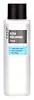
This hydrating toner is formulated around Sodium Hyaluronate and Allantoin to hydrate skin and calm redness.
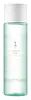
This smoothing toner is formulated around Aloe Barbadensis Leaf Extract and Gluconolactone to refine skin texture and clear breakouts.

What's inside
What's inside
 Key Ingredients
Benefits
Concerns
Ingredients Side-by-side
Water
Skin ConditioningButylene Glycol
Humectant

Glycerin
Humectant
Glyceryl Acrylate/Acrylic Acid Copolymer
HumectantPropylene Glycol
Humectant

PEG/PPG-18/4 Copolymer
SolventSodium Hyaluronate
Humectant


Alcohol
Antimicrobial


1,2-Hexanediol
Skin Conditioning
PPG-26-Buteth-26
Skin ConditioningPEG-40 Hydrogenated Castor Oil
Emulsifying

Allantoin
Skin Conditioning
Panthenol
Skin Conditioning
Carbomer
Emulsion StabilisingTriethanolamine
BufferingDisodium EDTA
ChelatingPortulaca Oleracea Extract
Skin Conditioning
Lilium Tigrinum Extract
Skin ConditioningCucurbita Pepo Fruit Extract
Skin Conditioning
Snail Secretion Filtrate
Skin Conditioning
Aloe Barbadensis Leaf Extract
Emollient
Psidium Guajava Fruit Extract
AstringentMalpighia Emarginata Fruit Extract
Skin ConditioningHydrolyzed Collagen
Emollient
Thymus Vulgaris Extract
Perfuming
Glycyrrhiza Inflata Root Extract
Skin Conditioning
Hamamelis Virginiana Extract
Antiseborrhoeic
Leontopodium Alpinum Extract
Skin ConditioningMalva Sylvestris Flower Extract
Skin ConditioningBuddleja Davidii Extract
Skin ConditioningAloe Vera Callus Extract
Antioxidant
Camellia Sinensis Callus Culture Extract
Perfuming
Chrysanthemum Indicum Callus Culture Extract
Antioxidant
Bambusa Vulgaris Callus Culture Extract
Skin ConditioningEthylhexylglycerin
Skin ConditioningParfum
Masking
Water, Butylene Glycol, Glycerin, Glyceryl Acrylate/Acrylic Acid Copolymer, Propylene Glycol, PEG/PPG-18/4 Copolymer, Sodium Hyaluronate, Alcohol, 1,2-Hexanediol, PPG-26-Buteth-26, PEG-40 Hydrogenated Castor Oil, Allantoin, Panthenol, Carbomer, Triethanolamine, Disodium EDTA, Portulaca Oleracea Extract, Lilium Tigrinum Extract, Cucurbita Pepo Fruit Extract, Snail Secretion Filtrate, Aloe Barbadensis Leaf Extract, Psidium Guajava Fruit Extract, Malpighia Emarginata Fruit Extract, Hydrolyzed Collagen, Thymus Vulgaris Extract, Glycyrrhiza Inflata Root Extract, Hamamelis Virginiana Extract, Leontopodium Alpinum Extract, Malva Sylvestris Flower Extract, Buddleja Davidii Extract, Aloe Vera Callus Extract, Camellia Sinensis Callus Culture Extract, Chrysanthemum Indicum Callus Culture Extract, Bambusa Vulgaris Callus Culture Extract, Ethylhexylglycerin, Parfum
Aloe Barbadensis Leaf Extract
Emollient
Butylene Glycol
Humectant
1,2-Hexanediol
Skin Conditioning
Glycerin
Humectant
Carica Papaya Fruit Extract
Skin ConditioningHamamelis Virginiana Extract
Antiseborrhoeic
Melaleuca Alternifolia Leaf Water
Antimicrobial

Melia Azadirachta Leaf Extract
Skin ConditioningMelia Azadirachta Flower Extract
Skin ConditioningPanthenol
Skin Conditioning
Gluconolactone
Chelating



Sodium Hyaluronate
Humectant
Capryloyl Salicylic Acid
Exfoliating

Alcohol
Antimicrobial
Water
Skin ConditioningEthylhexylglycerin
Skin ConditioningDisodium EDTA
ChelatingAloe Barbadensis Leaf Extract, Butylene Glycol, 1,2-Hexanediol, Glycerin, Carica Papaya Fruit Extract, Hamamelis Virginiana Extract, Melaleuca Alternifolia Leaf Water, Melia Azadirachta Leaf Extract, Melia Azadirachta Flower Extract, Panthenol, Gluconolactone, Sodium Hyaluronate, Capryloyl Salicylic Acid, Alcohol, Water, Ethylhexylglycerin, Disodium EDTA
Ingredients Explained
These ingredients are found in both products.
Ingredients higher up in an ingredient list are typically present in a larger amount.
1,2-Hexanediol is a synthetic liquid and another multi-functional powerhouse.
It is a:
- Humectant, drawing moisture into the skin
- Emollient, helping to soften skin
- Solvent, dispersing and stabilizing formulas
- Preservative booster, enhancing the antimicrobial activity of other preservatives
This ingredient is also called ethanol or ethyl alcohol. It is denatured, meaning made undrinkable for cosmetic use.
In formulas, it:
Is it bad for your skin?
The answer comes down to concentration. Patch and wash studies have found highly concentrated alcohol-based hand rubs (60-100%) cause less barrier disruption than washing with a basic detergent like SLS. The only measurable effect in these studies was a temporary dip in skin hydration.
Concentrations below 12-15% in leave-on cosmetics is generally well-tolerated. Concentrations above start to see increased transepidermal water loss (TEWL) and reduced hydration.
In concentrations about 58%, it creates temporary channels in your skin's lipid layers to become more permeable and allow other ingredients to slip through easily.
This ingredient can be up to 80% of the formula in alcohol-based perfumes.
Overall, this ingredient is probably harmless if found lower down an ingredients list but worth side-eyeing if it's high up (especially if your barrier is already struggling).
Alcohol can worsen dry skin, eczema, and oily skin, especially at higher concentrations. This is because it can increase transepidermal water loss and decrease hydration to disrupt the skin barrier.
According to the National Rosacea Society based in the US, you should be mindful of products with these alcohols in the top half of ingredients.
True allergic contact dermatitis to ethanol is uncommon, but be sure to patch test if you have dry or sensitive skin.
Learn more about AlcoholAloe Barbadensis Leaf Extract is a botanical extract pulled from the leaves of aloe vera and one of the most studied plant ingredients in cosmetics.
The inner leaf gel it comes from is mostly water (~99-99.5%) and the remaining fraction is made up of pretty good stuff: polysaccharides, vitamins, phenolics, and enzymes.
Its headline job is hydration.
The star polysaccharide in aloe, acemannan, is a humectant that retains moisture and helps reduce trans-epidermal water loss.
Aloe also has real soothing credentials; it contains anti-inflammatory compounds like bradykinase and C-glucosyl chromone that help calm irritation and redness.
On the repair side, lab work shows that acemannan wakes up your skin's repair cells (fibroblasts), prompting them to multiply and speed up healing.
There's some human data for cosmetic benefit too: a cream containing 10% Aloe Barbadensis leaf extract improved skin hydration and elasticity in a real-use study.
Safety-wise, this ingredient is well-regarded with just one rare downside; there have been some case reports of acute eczema, contact urticaria, and dermatitis in people who applied aloe-derived ingredients topically. Those with a known aloe or Liliaceae sensitivity should patch test.
Typical use levels range widely, from under 1% up to 90%+ depending on the format and the effect you are after.
Learn more about Aloe Barbadensis Leaf ExtractButylene Glycol (or BG) is used within cosmetic products for a few different reasons:
Overall, Butylene Glycol is a safe and well-rounded ingredient that works well with other ingredients.
Though this ingredient works well with most skin types, some people with sensitive skin may experience a reaction such as allergic rashes, closed comedones, or itchiness.
Learn more about Butylene GlycolDisodium EDTA is a chelating agent. It grabs onto and deactivates metal ions that sneak into your products from water, packaging, or air.
This ingredient mainly works behind the scenes and helps with:
On top of that, this ingredient can counteract the effects of hard water by binding to the minerals in it.
One thing worth knowing is that Disodium EDTA has been shown to be a mild penetration enhancer. It can help other ingredients absorb into skin more effectively which can be a double-edged sword (great for actives, but can also make the active too strong if you have sensitive skin).
Clinical patch testing showed no significant skin irritation at typical use concentrations and minimal dermal absorption.
You'll most likely see this ingredient near the end of an ingredient list. It's typically found in concentrations less than 1%.
Learn more about Disodium EDTAEthylhexylglycerin is created from glycerin. It is a multitasker ingredient that:
The CIR Expert Panel found minimal skin absorption or sensitization of any kind in a safety assessment. Though this ingredient is considered well-tolerated, a small number of cases of allergic dermatitis have been published since 2002. Just be sure to patch test if you are unsure.
Industry-reported use ranges from 8% in rinse-off products and 2% in leave-on formulations.
Learn more about EthylhexylglycerinGlycerin (or glycerol) is a compound naturally found in your skin. It's a powerhouse humectant that pulls water into the stratum corneum.
Topically, glycerin does several things at once:
Your skin makes glycerin on its own (mostly from sebaceous oil breakdown) and shuttles it to your outermost layer of skin, or your epidermis, via aquaporin-3.
Aquaporin-3 is a transporter that is essential for normal skin hydration, elasticity, and repair. Interestingly, mice lacking in AQP3 have dry and less elastic skin that can be fully corrected with glycerin.
This ingredient is non-irritating, plays well with almost every ingredient, and works across all skin types. Typical use is anywhere between 3-10% but can go up to 79% in some leave-on products.
Just know very high concentrations (>40%) can feel tacky in low humidity.
Glycerin is the name for this ingredient in American English. British English uses Glycerol/Glycerine.
Learn more about GlycerinHamamelis Virginiana Extract comes from the witch hazel plant.
Unless it is specified to be non-alcohol, many types of witch hazel ingredients are distilled in denatured alcohol.
Witch Hazel has astringent, anti-inflammatory, antioxidant, and antibacterial properties.
The tannin content of witch hazel constrict the appearance of pores by drying out proteins. Witch hazel water gets anti-inflammatory and antibacterial properties from its catechin and gallic acid content.
However, witch hazel may be skin-sensitizing due to the tannin and fragrance compounds.
North American Indigenous groups have used witch hazel to help treat inflammation for centuries.
Learn more about Hamamelis Virginiana ExtractPanthenol is a common ingredient that helps hydrate and soothe the skin. It is found naturally in our skin and hair.
There are two forms of panthenol: D and L.
D-panthenol is also known as dexpanthenol. Most cosmetics use dexpanthenol or a mixture of D and L-panthenol.
Panthenol is famous due to its ability to go deeper into the skin's layers. Using this ingredient has numerous pros (and no cons):
Like hyaluronic acid, panthenol is a humectant. Humectants are able to bind and hold large amounts of water to keep skin hydrated.
This ingredient works well for wound healing. It works by increasing tissue in the wound and helps close open wounds.
Once oxidized, panthenol converts to pantothenic acid. Panthothenic acid is found in all living cells.
This ingredient is also referred to as pro-vitamin B5.
Learn more about PanthenolSodium Hyaluronate is the salt form of hyaluronic acid. It is a long sugar chain that is naturally found in your skin, joints, and connective tissue that maintains hydration and elasticity.
In skincare, it works as a humectant. It pulls water from the environment and deeper layers of skin and binds it to the surface.
Interestingly, the size of the molecule affects its behavior:
Some clinical evidence links low molecular weight versions to improved wrinkle depth, elasticity, anti-inflammatory effects, and barrier repair.
Many serums use a blend of both weights so you can get surface hydration plus longer-lasting and deeper effects.
You'll typically see concentrations between 0.1-2% for this ingredient.
Learn more about Sodium HyaluronateWater. It's the most common cosmetic ingredient of all. You'll usually see it at the top of ingredient lists, meaning that it makes up the largest part of the product.
So why is it so popular? Water most often acts as a solvent - this means that it helps dissolve other ingredients into the formulation.
You'll also recognize water as that liquid we all need to stay alive. If you see this, drink a glass of water. Remember to stay hydrated!
Learn more about Water

