
What's inside
What's inside
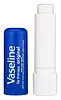 Key Ingredients
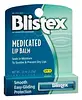
Benefits
Concerns
Ingredients Side-by-side
Octyldodecanol
Emollient
Microcrystalline Wax
Emulsion StabilisingCaprylic/Capric Triglyceride
Masking


Ricinus Communis Seed Oil
Masking


Cetyl Palmitate
Emollient
Petrolatum
Emollient
Myristyl Myristate
Emollient
Polyglyceryl-3 Distearate
Emulsifying
Water
Skin ConditioningButyrospermum Parkii Butter
Skin Conditioning
Copernicia Cerifera Wax
Cetearyl Alcohol
Emollient
C20-40 Alkyl Stearate
Skin ConditioningBeeswax
Emulsion Stabilising
Glycerin
Humectant
Tocopheryl Acetate
Antioxidant


Panthenol
Skin Conditioning

Octyldodecanol, Microcrystalline Wax, Caprylic/Capric Triglyceride, Ricinus Communis Seed Oil, Cetyl Palmitate, Petrolatum, Myristyl Myristate, Polyglyceryl-3 Distearate, Water, Butyrospermum Parkii Butter, Copernicia Cerifera Wax, Cetearyl Alcohol, C20-40 Alkyl Stearate, Beeswax, Glycerin, Tocopheryl Acetate, Panthenol
Dimethicone 2%
Emollient
Ethylhexyl Methoxycinnamate 6.6%
UV Absorber


Ethylhexyl Salicylate 4.4%
UV Absorber
Beeswax
Emulsion Stabilising
Camphor
Masking



Cetyl Alcohol
Emollient
Cetyl Palmitate
Emollient
Euphorbia Cerifera Wax
Aroma

Isopropyl Myristate
Emollient
Lanolin
Emollient
Lanolin Oil
Emollient
Menthol
Masking
Methyl Salicylate
Perfuming
Paraffinum Liquidum
Emollient
Ozokerite
Emulsion StabilisingParaffin
Skin ConditioningPetrolatum
Emollient
Phenoxyethanol
Preservative
Polybutene
CI 15850
Cosmetic ColorantTheobroma Cacao Seed Butter
Emollient
Titanium Dioxide
Cosmetic Colorant
Dimethicone 2%, Ethylhexyl Methoxycinnamate 6.6%, Ethylhexyl Salicylate 4.4%, Beeswax, Camphor, Cetyl Alcohol, Cetyl Palmitate, Euphorbia Cerifera Wax, Aroma, Isopropyl Myristate, Lanolin, Lanolin Oil, Menthol, Methyl Salicylate, Paraffinum Liquidum, Ozokerite, Paraffin, Petrolatum, Phenoxyethanol, Polybutene, CI 15850, Theobroma Cacao Seed Butter, Titanium Dioxide
Reviews
Ingredients Explained
These ingredients are found in both products.
Ingredients higher up in an ingredient list are typically present in a larger amount.
Beeswax is natural wax produced by honey bees to build their honeycomb.
Because it forms a protective layer on your skin, it can help lock in moisture and reduce water loss. It is also widely used as a thickener and emulsifier in lip balms and lotions. Research suggests beeswax containing moisturizers can support skin barrier integrity.
In comedogenic testing, Beeswax scored a 0-2, which is on the low end. Whether or not a product clogs your pores really comes down to the formula as a whole (not any single ingredient on its own).
Cera Alba is the white, bleached form of this ingredient.
Just so you know, beeswax is not vegan since it is animal-derived. It cannot be removed with water, but can be taken off with an oil cleanser.
People with a known Propolis allergy also report to have reactions from beeswax.
Learn more about BeeswaxCetyl Palmitate is a wax-ester that pulls triple duty as an emollient, thickener, and emulsion enhancer.
It helps enhance the texture of products by giving a smooth, silky feel while helping to stabilize the formula. The emollient action softens skin and reduces moisture loss.
This ingredient is considered safe and human testing of concentrations between 2.5-2.7% were found minimal irritation. Just know, there have been very rare cases of the palmitate family causing contact dermatitis.
This ingredient may not be fungal acne safe because it contains a C16 ester (palmitic acid) that falls into the C11-24 range that Malassezia can feed on.
Learn more about Cetyl PalmitatePetrolatum is more commonly known as petroleum jelly. It is created by mixing waxes and mineral oils.
This ingredient is effective at reducing water loss by 99%. This is because it is an occlusive. Occlusives create a hydrophobic barrier on the skin to prevent evaporation. This property makes it great for hydrating dry skin.
Pro tip: Use occlusives, such as this ingredient, on damp skin for the best results.
The quality or origin of petrolatum is only known when disclosed by the brand. Most cosmetic petrolatum has gone through several purification stages.
Another benefit of occlusives is it protects your skin against infection or allergies.
Petrolatum is fungal acne safe. It is a hydrocarbon with no fatty acid structure, so Malassezia cannot metabolize it. In-vitro studies support negligible growth stimulation as well.
It's also worth noting that petrolatum has a comedogenic rating of 0. In updated rabbit ear testing (and in human testing), petrolatum was found to be not comedogenic. This means it didn’t promote comedone formation in standard models.
Learn more about Petrolatum
