

What's inside
What's inside
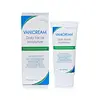 Key Ingredients
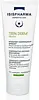
Benefits
Concerns
No concerns
Ingredients Side-by-side
Water
Skin ConditioningSqualane
Emollient

Glycerin
Humectant

Pentylene Glycol
Skin ConditioningPolyglyceryl-2 Stearate
Emulsifying
Glyceryl Stearate
Emollient
Stearyl Alcohol
Emollient
Hyaluronic Acid
Humectant

Ceramide EOP
Skin Conditioning

Ceramide Ng
Skin Conditioning
Ceramide NP
Skin Conditioning
Ceramide As
Skin Conditioning
Ceramide AP
Skin Conditioning
Carnosine
Skin Conditioning
Hydrogenated Lecithin
Emulsifying
Phytosterols
Skin Conditioning
Caprylyl Glycol
Emollient
Polyacrylate Crosspolymer-11
Emulsion Stabilising1,2-Hexanediol
Skin Conditioning
Water
Skin ConditioningGlycerin
Humectant
Propylene Glycol
Humectant

Butyrospermum Parkii Butter
Skin Conditioning

Caprylic/Capric Triglyceride
Masking
Dimethicone
Emollient
Glyceryl Stearate
Emollient
Pentylene Glycol
Skin ConditioningTheobroma Cacao Seed Butter
Emollient
Xylitylglucoside
Humectant
Cetearyl Alcohol
Emollient
Anhydroxylitol
Humectant
PEG-100 Stearate
Bisabolol
Masking
Butyl Avocadate
Skin Conditioning
Xylitol
Humectant
Butylene Glycol
Humectant
Chlorphenesin
Antimicrobial
Carbomer
Emulsion StabilisingO-Cymen-5-Ol
Antimicrobial
Sodium Hydroxide
Buffering1,2-Hexanediol
Skin Conditioning
Caprylyl Glycol
Emollient
Polyquaternium-51
Skin Conditioning
Parfum
Masking
Propyl Gallate
Antioxidant
Citric Acid
Buffering



Water, Glycerin, Propylene Glycol, Butyrospermum Parkii Butter, Caprylic/Capric Triglyceride, Dimethicone, Glyceryl Stearate, Pentylene Glycol, Theobroma Cacao Seed Butter, Xylitylglucoside, Cetearyl Alcohol, Anhydroxylitol, PEG-100 Stearate, Bisabolol, Butyl Avocadate, Xylitol, Butylene Glycol, Chlorphenesin, Carbomer, O-Cymen-5-Ol, Sodium Hydroxide, 1,2-Hexanediol, Caprylyl Glycol, Polyquaternium-51, Parfum, Propyl Gallate, Citric Acid
Reviews
Ingredients Explained
These ingredients are found in both products.
Ingredients higher up in an ingredient list are typically present in a larger amount.
1,2-Hexanediol is a synthetic liquid and another multi-functional powerhouse.
It is a:
- Humectant, drawing moisture into the skin
- Emollient, helping to soften skin
- Solvent, dispersing and stabilizing formulas
- Preservative booster, enhancing the antimicrobial activity of other preservatives
Caprylyl Glycol is a humectant and emollient, meaning it attracts and preserves moisture.
It is a common ingredient in many products, especially those designed to hydrate skin. The primary benefits are retaining moisture, skin softening, and promoting a healthy skin barrier.
Though Caprylyl Glycol is an alcohol derived from fatty acids, it is not the kind that can dry out skin.
This ingredient is also used as a preservative to extend the life of products. It has slight antimicrobial properties.
Learn more about Caprylyl GlycolGlycerin is already naturally found in your skin. It helps moisturize and protect your skin.
A study from 2016 found glycerin to be more effective as a humectant than AHAs and hyaluronic acid.
As a humectant, it helps the skin stay hydrated by pulling moisture to your skin. The low molecular weight of glycerin allows it to pull moisture into the deeper layers of your skin.
Hydrated skin improves your skin barrier; Your skin barrier helps protect against irritants and bacteria.
Glycerin has also been found to have antimicrobial and antiviral properties. Due to these properties, glycerin is often used in wound and burn treatments.
In cosmetics, glycerin is usually derived from plants such as soybean or palm. However, it can also be sourced from animals, such as tallow or animal fat.
This ingredient is organic, colorless, odorless, and non-toxic.
Glycerin is the name for this ingredient in American English. British English uses Glycerol/Glycerine.
Learn more about GlycerinGlyceryl Stearate is a mix of glycerin and stearic acid.
It is used to stabilize the mixing of water and oil ingredients. By preventing these ingredients from separating, it can help elongate shelf life. It can also help thicken the product's texture.
As an emollient, it helps soften skin and supports barrier-replenishing ingredients.
In cosmetics, Glyceryl Stearate is often made from vegetable oils or synthetically produced.
This ingredient may not be fungal-acne safe
Fun fact: The human body also creates Glyceryl Stearate naturally.
Learn more about Glyceryl StearatePentylene glycol is typically used within a product to thicken it. It also adds a smooth, soft, and moisturizing feel to the product. It is naturally found in plants such as sugar beets.
The hydrophilic trait of Pentylene Glycol makes it a humectant. As a humectant, Pentylene Glycol helps draw moisture from the air to your skin. This can help keep your skin hydrated.
This property also makes Pentylene Glycol a great texture enhancer. It can also help thicken or stabilize a product.
Pentylene Glycol also acts as a mild preservative and helps to keep a product microbe-free.
Some people may experience mild eye and skin irritation from Pentylene Glycol. We always recommend speaking with a professional about using this ingredient in your routine.
Pentylene Glycol has a low molecular weight and is part of the 1,2-glycol family.
Learn more about Pentylene GlycolWater. It's the most common cosmetic ingredient of all. You'll usually see it at the top of ingredient lists, meaning that it makes up the largest part of the product.
So why is it so popular? Water most often acts as a solvent - this means that it helps dissolve other ingredients into the formulation.
You'll also recognize water as that liquid we all need to stay alive. If you see this, drink a glass of water. Stay hydrated!
Learn more about Water
