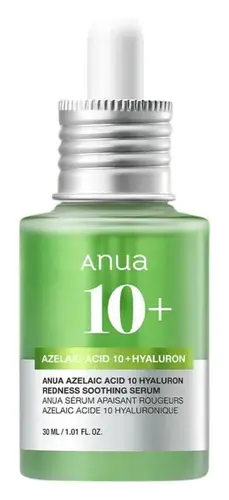
Uncover Green Tea Blemish Control Serum Versus Balance Active Formula Vitamin C Brightening Fluid SPF 50
This acne serum is formulated around Mandelic Acid and Camellia Sinensis Leaf Extract to clear breakouts and refine skin texture.
This chemical sunscreen covers the full UV range and blocks ~98% of UVB at SPF 50.


What's inside
What's inside
 Key Ingredients
Benefits
Concerns
Ingredients Side-by-side
Water
Skin ConditioningButylene Glycol
Humectant

Mandelic Acid
Antimicrobial










Ethoxydiglycol
HumectantGlycerin
Humectant
1,2-Hexanediol
Skin Conditioning
Propanediol
Solvent
Sodium Hydroxide
BufferingChlorella Vulgaris Extract
Skin ConditioningSphingomonas Ferment Extract
Skin Conditioning

Sodium Hyaluronate
Humectant
Camellia Sinensis Leaf Extract
Antimicrobial

Salicylic Acid
Masking



Azelaic Acid
Buffering
Panthenol
Skin Conditioning
PEG-40 Hydrogenated Castor Oil
Emulsifying
Glucose
Humectant
Beta-Glucan
Skin Conditioning
Allantoin
Skin Conditioning
Ammonium Acryloyldimethyltaurate/Vp Copolymer
Dipotassium Glycyrrhizate
Humectant
Fructooligosaccharides
Humectant
Fructose
Humectant
Ethylhexylglycerin
Skin ConditioningTocopherol
Antioxidant
Disodium EDTA
ChelatingWater, Butylene Glycol, Mandelic Acid, Ethoxydiglycol, Glycerin, 1,2-Hexanediol, Propanediol, Sodium Hydroxide, Chlorella Vulgaris Extract, Sphingomonas Ferment Extract, Sodium Hyaluronate, Camellia Sinensis Leaf Extract, Salicylic Acid, Azelaic Acid, Panthenol, PEG-40 Hydrogenated Castor Oil, Glucose, Beta-Glucan, Allantoin, Ammonium Acryloyldimethyltaurate/Vp Copolymer, Dipotassium Glycyrrhizate, Fructooligosaccharides, Fructose, Ethylhexylglycerin, Tocopherol, Disodium EDTA
Water
Skin ConditioningC12-15 Alkyl Benzoate
AntimicrobialDiethylamino Hydroxybenzoyl Hexyl Benzoate
UV Filter
Ethylhexyl Salicylate
UV Absorber
Bis-Ethylhexyloxyphenol Methoxyphenyl Triazine
UV Absorber
Propylene Glycol Dicaprylate/Dicaprate
EmollientPropanediol
Solvent
Niacinamide
Smoothing
Phenylbenzimidazole Sulfonic Acid
UV Absorber
Diethylhexyl Butamido Triazone
UV Absorber
Polyglyceryl-3 Stearate
Emulsifying
Triethanolamine
BufferingPhenoxyethanol
Preservative
Sodium Stearoyl Glutamate
CleansingHydroxyacetophenone
Antioxidant
Microcrystalline Cellulose
AbsorbentChlorphenesin
Antimicrobial
Sphingomonas Ferment Extract
Skin Conditioning
Ascorbyl Glucoside
Antioxidant
Disodium EDTA
ChelatingWater, C12-15 Alkyl Benzoate, Diethylamino Hydroxybenzoyl Hexyl Benzoate, Ethylhexyl Salicylate, Bis-Ethylhexyloxyphenol Methoxyphenyl Triazine, Propylene Glycol Dicaprylate/Dicaprate, Propanediol, Niacinamide, Phenylbenzimidazole Sulfonic Acid, Diethylhexyl Butamido Triazone, Polyglyceryl-3 Stearate, Triethanolamine, Phenoxyethanol, Sodium Stearoyl Glutamate, Hydroxyacetophenone, Microcrystalline Cellulose, Chlorphenesin, Sphingomonas Ferment Extract, Ascorbyl Glucoside, Disodium EDTA
Ingredients Explained
These ingredients are found in both products.
Ingredients higher up in an ingredient list are typically present in a larger amount.
Disodium EDTA is a chelating agent. It grabs onto and deactivates metal ions that sneak into your products from water, packaging, or air.
This ingredient mainly works behind the scenes and helps with:
On top of that, this ingredient can counteract the effects of hard water by binding to the minerals in it.
One thing worth knowing is that Disodium EDTA has been shown to be a mild penetration enhancer. It can help other ingredients absorb into skin more effectively which can be a double-edged sword (great for actives, but can also make the active too strong if you have sensitive skin).
Clinical patch testing showed no significant skin irritation at typical use concentrations and minimal dermal absorption.
You'll most likely see this ingredient near the end of an ingredient list. It's typically found in concentrations less than 1%.
Learn more about Disodium EDTAPropanediol is an all-star ingredient. It softens, hydrates, and smooths the skin.
It’s often used to:
Propanediol is not likely to cause sensitivity and considered safe to use. It is derived from corn or petroleum with a clear color and no scent.
Learn more about PropanediolThis ingredient is created by the fermentation of Sphingomonas, an interesting bacteria. Sphingomonas bacteria use ubiquinone-10 to help them breathe and their cell walls contain ceramides.
Early research suggests that certain skin bacteria, especially Sphingomonas, could play a helpful role in skin health.
In small studies, these bacteria seemed to become more common after regular sun exposure, with one strain showing the ability to resist UV light and reduce stress in skin cells. Another study also linked Sphingomonas to smoother and more supple skin.
While these results sound promising, the research is still in its early stages, and more studies are needed to know how reliable or meaningful these effects really are.
Fun fact: Unlike most microbes, Sphingomonas can survive the wine fermentation process, making it a tiny microbial marker of a wine's unique "terroir", or the environment’s “fingerprint” on the wine.
Like other ferments, this ingredient may not be Malassezia folliculitis safe.
Learn more about Sphingomonas Ferment ExtractWater. It's the most common cosmetic ingredient of all. You'll usually see it at the top of ingredient lists, meaning that it makes up the largest part of the product.
So why is it so popular? Water most often acts as a solvent - this means that it helps dissolve other ingredients into the formulation.
You'll also recognize water as that liquid we all need to stay alive. If you see this, drink a glass of water. Remember to stay hydrated!
Learn more about Water