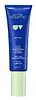
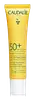
Ultra Violette Clean Screen SPF 30 Fragrance Free Weightless Gel Skinscreen Versus Caudalie Very High Protection Lightweight Cream SPF 50+ Vinosun Protect
This hybrid sunscreen covers the full UV range and blocks ~97% of UVB at SPF 30.
This chemical sunscreen covers the full UV range and blocks ~98% of UVB at SPF 50.


What's inside
What's inside
 Key Ingredients
Benefits
Concerns
Ingredients Side-by-side
Titanium Dioxide 3%
Cosmetic Colorant

Methylene Bis-Benzotriazolyl Tetramethylbutylphenol 2.25%
UV Filter
Diethylamino Hydroxybenzoyl Hexyl Benzoate 1.6%
UV Filter
Water
Skin ConditioningButylene Glycol
Humectant

Caprylic/Capric Triglyceride
Masking
Silica
Abrasive


Caprylyl Glycol
Emollient
Polysorbate 60
Emulsifying

Ammonium Acryloyldimethyltaurate/Vp Copolymer
Saccharide Isomerate
Humectant
Decyl Glucoside
Cleansing
Caprylhydroxamic Acid
ChelatingGlycerin
Humectant
Propylene Glycol
Humectant
Xanthan Gum
EmulsifyingCitric Acid
Buffering

Dimethicone
Emollient
Sodium Chloride
MaskingCI 77491
Cosmetic ColorantCI 77492
Cosmetic ColorantCI 77499
Cosmetic ColorantTitanium Dioxide 3%, Methylene Bis-Benzotriazolyl Tetramethylbutylphenol 2.25%, Diethylamino Hydroxybenzoyl Hexyl Benzoate 1.6%, Water, Butylene Glycol, Caprylic/Capric Triglyceride, Silica, Caprylyl Glycol, Polysorbate 60, Ammonium Acryloyldimethyltaurate/Vp Copolymer, Saccharide Isomerate, Decyl Glucoside, Caprylhydroxamic Acid, Glycerin, Propylene Glycol, Xanthan Gum, Citric Acid, Dimethicone, Sodium Chloride, CI 77491, CI 77492, CI 77499
Water
Skin ConditioningDibutyl Adipate
EmollientDiethylamino Hydroxybenzoyl Hexyl Benzoate
UV Filter
Propanediol
Solvent
Dicaprylyl Carbonate
EmollientEthylhexyl Triazone
UV Absorber
Methylpropanediol
SolventBis-Ethylhexyloxyphenol Methoxyphenyl Triazine
UV Absorber
Phenylbenzimidazole Sulfonic Acid
UV Absorber
Arginine
Masking
C20-22 Alkyl Phosphate
EmulsifyingC20-22 Alcohols
Emulsion Stabilising
Benzotriazolyl Dodecyl P-Cresol
UV AbsorberPalmitoyl Grape Seed Extract
Skin ConditioningGlycerin
Humectant
Caprylyl Glycol
Emollient
Caprylyl/Capryl Glucoside
CleansingEthylhexylglycerin
Skin ConditioningPotassium Cetyl Phosphate
EmulsifyingXanthan Gum
EmulsifyingPhenylpropanol
Masking

O-Cymen-5-Ol
Antimicrobial
Sodium Benzoate
Masking
Polyacrylate Crosspolymer-6
Emulsion StabilisingTocopheryl Acetate
Antioxidant

Picea Abies Wood Extract
Helianthus Annuus Seed Oil
Emollient
Tocopherol
Antioxidant

Water, Dibutyl Adipate, Diethylamino Hydroxybenzoyl Hexyl Benzoate, Propanediol, Dicaprylyl Carbonate, Ethylhexyl Triazone, Methylpropanediol, Bis-Ethylhexyloxyphenol Methoxyphenyl Triazine, Phenylbenzimidazole Sulfonic Acid, Arginine, C20-22 Alkyl Phosphate, C20-22 Alcohols, Benzotriazolyl Dodecyl P-Cresol, Palmitoyl Grape Seed Extract, Glycerin, Caprylyl Glycol, Caprylyl/Capryl Glucoside, Ethylhexylglycerin, Potassium Cetyl Phosphate, Xanthan Gum, Phenylpropanol, O-Cymen-5-Ol, Sodium Benzoate, Polyacrylate Crosspolymer-6, Tocopheryl Acetate, Picea Abies Wood Extract, Helianthus Annuus Seed Oil, Tocopherol
Reviews
Ingredients Explained
These ingredients are found in both products.
Ingredients higher up in an ingredient list are typically present in a larger amount.
Caprylyl Glycol is a humectant, skin conditioner, emollient, and preservative booster derived from either caprylic acid or synthetically created.
Typical use levels vary from 0.3-1% as a preservative booster and go up to 2% to condition skin.
Because it is not a free-fatty acid, this ingredient is fungal acne safe (there's nothing for Malassezia to feed on).
Learn more about Caprylyl GlycolDiethylamino Hydroxybenzoyl Hexyl Benzoate (DHHB) is a chemical UV-A absorber. It is formulated for high UVA protection (320-400 nm).
DHHB is well-liked for:
DHHB has been approved by the EU, Japan, Taiwan, and South America for use up to 10%. Unfortunately, it has not been approved for use in the US or Canada due to slow regulatory processes.
This ingredient is soluble in oils, fats, and lipids.
Learn more about Diethylamino Hydroxybenzoyl Hexyl BenzoateGlycerin (or glycerol) is a compound naturally found in your skin. It's a powerhouse humectant that pulls water into the stratum corneum.
Topically, glycerin does several things at once:
Your skin makes glycerin on its own (mostly from sebaceous oil breakdown) and shuttles it to your outermost layer of skin, or your epidermis, via aquaporin-3.
Aquaporin-3 is a transporter that is essential for normal skin hydration, elasticity, and repair. Interestingly, mice lacking in AQP3 have dry and less elastic skin that can be fully corrected with glycerin.
This ingredient is non-irritating, plays well with almost every ingredient, and works across all skin types. Typical use is anywhere between 3-10% but can go up to 79% in some leave-on products.
Just know very high concentrations (>40%) can feel tacky in low humidity.
Glycerin is the name for this ingredient in American English. British English uses Glycerol/Glycerine.
Learn more about GlycerinWater. It's the most common cosmetic ingredient of all. You'll usually see it at the top of ingredient lists, meaning that it makes up the largest part of the product.
So why is it so popular? Water most often acts as a solvent - this means that it helps dissolve other ingredients into the formulation.
You'll also recognize water as that liquid we all need to stay alive. If you see this, drink a glass of water. Remember to stay hydrated!
Learn more about WaterXanthan gum is used as a stabilizer and thickener within cosmetic products. It helps give products a sticky, thick feeling - preventing them from being too runny.
On the technical side of things, xanthan gum is a polysaccharide - a combination consisting of multiple sugar molecules bonded together.
Xanthan gum is a pretty common and great ingredient. It is a natural, non-toxic, non-irritating ingredient that is also commonly used in food products.
Learn more about Xanthan Gum

