Tropic Skincare Electric Bloom Brightening Tightening Mask Versus Tropic Skincare New Horizons Blemish-Clearing Mask
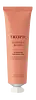
This wash off mask is formulated around Lactic Acid to exfoliate and smooth skin.
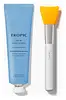
This wash off mask is formulated around Salicylic Acid to clear breakouts and unclog pores.

What's inside
What's inside
 Key Ingredients
Benefits
Concerns
Ingredients Side-by-side
Water
Skin ConditioningKaolin
Abrasive



Glycerin
Humectant


Bentonite
Absorbent
Lactobacillus Ferment
Skin Conditioning
Pentylene Glycol
Skin Conditioning
Propanediol
Solvent
Citric Acid
Buffering


Tartaric Acid
Buffering
Gluconolactone
Chelating


Lactic Acid
Buffering

Aloe Barbadensis Leaf Extract
Emollient
Fructose
Humectant
Glucose
Humectant
Sucrose
Humectant
Inulin
Skin Conditioning
Hippophae Rhamnoides Fruit Oil
Skin Protecting

Tocopherol
Antioxidant

Carthamus Tinctorius Seed Oil
Masking
Spilanthes Acmella Flower/Leaf/Stem Extract
AntimicrobialUbiquinone
Antioxidant
Avena Sativa Kernel Flour
Abrasive
Sodium Anisate
AntimicrobialSodium Levulinate
Skin ConditioningXanthan Gum
EmulsifyingHydrolyzed Gardenia Florida Extract
Antioxidant
Coffea Arabica Fruit Extract
Antioxidant
Hibiscus Rosa-Sinensis Flower Extract
HumectantAnigozanthos Flavidus Extract
Skin ConditioningAstragalus Membranaceus Root Extract
Emollient
Sodium Hydroxide
BufferingParfum
Masking

Citrus Aurantium Dulcis Peel Oil Expressed
Perfuming

Maltodextrin
Absorbent
Helianthus Annuus Seed Oil
Emollient
Limonene
Perfuming
Linalool
Perfuming
Water, Kaolin, Glycerin, Bentonite, Lactobacillus Ferment, Pentylene Glycol, Propanediol, Citric Acid, Tartaric Acid, Gluconolactone, Lactic Acid, Aloe Barbadensis Leaf Extract, Fructose, Glucose, Sucrose, Inulin, Hippophae Rhamnoides Fruit Oil, Tocopherol, Carthamus Tinctorius Seed Oil, Spilanthes Acmella Flower/Leaf/Stem Extract, Ubiquinone, Avena Sativa Kernel Flour, Sodium Anisate, Sodium Levulinate, Xanthan Gum, Hydrolyzed Gardenia Florida Extract, Coffea Arabica Fruit Extract, Hibiscus Rosa-Sinensis Flower Extract, Anigozanthos Flavidus Extract, Astragalus Membranaceus Root Extract, Sodium Hydroxide, Parfum, Citrus Aurantium Dulcis Peel Oil Expressed, Maltodextrin, Helianthus Annuus Seed Oil, Limonene, Linalool
Aloe Barbadensis Leaf Juice
Skin Conditioning
Bentonite
Absorbent
Whey Ferment
Skin ConditioningGlycerin
Humectant
Polyhydroxystearic Acid
Emulsifying
Salicylic Acid
Masking


Aloe Barbadensis Leaf Extract
Emollient
Spirulina Platensis Extract
Skin ProtectingZingiber Officinale Root Extract
Masking
Lycium Barbarum Fruit Extract
Astringent
Cinnamomum Cassia Bark
Skin ConditioningCharcoal
Abrasive
Jasminum Sambac Flower Extract
Masking
Rosmarinus Officinalis Leaf Extract
AntimicrobialCitrus Aurantifolia Oil
Cleansing
Aloe Barbadensis Leaf Juice, Bentonite, Whey Ferment, Glycerin, Polyhydroxystearic Acid, Salicylic Acid, Aloe Barbadensis Leaf Extract, Spirulina Platensis Extract, Zingiber Officinale Root Extract, Lycium Barbarum Fruit Extract, Cinnamomum Cassia Bark, Charcoal, Jasminum Sambac Flower Extract, Rosmarinus Officinalis Leaf Extract, Citrus Aurantifolia Oil
Ingredients Explained
These ingredients are found in both products.
Ingredients higher up in an ingredient list are typically present in a larger amount.
Aloe Barbadensis Leaf Extract is a botanical extract pulled from the leaves of aloe vera and one of the most studied plant ingredients in cosmetics.
The inner leaf gel it comes from is mostly water (~99-99.5%) and the remaining fraction is made up of pretty good stuff: polysaccharides, vitamins, phenolics, and enzymes.
Its headline job is hydration.
The star polysaccharide in aloe, acemannan, is a humectant that retains moisture and helps reduce trans-epidermal water loss.
Aloe also has real soothing credentials; it contains anti-inflammatory compounds like bradykinase and C-glucosyl chromone that help calm irritation and redness.
On the repair side, lab work shows that acemannan wakes up your skin's repair cells (fibroblasts), prompting them to multiply and speed up healing.
There's some human data for cosmetic benefit too: a cream containing 10% Aloe Barbadensis leaf extract improved skin hydration and elasticity in a real-use study.
Safety-wise, this ingredient is well-regarded with just one rare downside; there have been some case reports of acute eczema, contact urticaria, and dermatitis in people who applied aloe-derived ingredients topically. Those with a known aloe or Liliaceae sensitivity should patch test.
Typical use levels range widely, from under 1% up to 90%+ depending on the format and the effect you are after.
Learn more about Aloe Barbadensis Leaf ExtractBentonite is an aluminium phyllosilicate clay with great absorbent properties. The name 'bentonite' comes from the area where the largest source is found: Fort Benton, Wyoming.
As a clay, bentonite is often used to absorb excess oil and provide exfoliation. It has also been shown to have some antibacterial and anti-inflammatory properties. Studies show bentonite was effective at calming dermatitis from poison ivy and in diaper dermatitis of infants. Bentonite has also been shown to act as a barrier against toxic compounds on your skin.
Sunscreens containing bentonite display higher water resistance and stay on the skin for much longer. The sunscreens containing bentonite also show higher potency and UV light absorbtion.
Bentonite is naturally created from volcanic ash and several natural weathering/hydrothermal processes.
A common usage of bentonite is removing excess protein from white wines. Bentonite contains a property of being able to absorb large amounts of protein from aqueous solutions.
Phyllosilicate clay has a structure formed by sheets.
Learn more about BentoniteGlycerin (or glycerol) is a compound naturally found in your skin. It's a powerhouse humectant that pulls water into the stratum corneum.
Topically, glycerin does several things at once:
Your skin makes glycerin on its own (mostly from sebaceous oil breakdown) and shuttles it to your outermost layer of skin, or your epidermis, via aquaporin-3.
Aquaporin-3 is a transporter that is essential for normal skin hydration, elasticity, and repair. Interestingly, mice lacking in AQP3 have dry and less elastic skin that can be fully corrected with glycerin.
This ingredient is non-irritating, plays well with almost every ingredient, and works across all skin types. Typical use is anywhere between 3-10% but can go up to 79% in some leave-on products.
Just know very high concentrations (>40%) can feel tacky in low humidity.
Glycerin is the name for this ingredient in American English. British English uses Glycerol/Glycerine.
Learn more about Glycerin

