
What's inside
What's inside
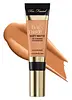 Key Ingredients
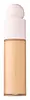
Benefits
Ingredients Side-by-side
Water
Skin ConditioningTrimethylsiloxysilicate
Emollient
Isododecane
EmollientMethyl Trimethicone
Skin Conditioning
Neopentyl Glycol Diheptanoate
EmollientLauryl PEG-9 Polydimethylsiloxyethyl Dimethicone
Skin Conditioning
Dimethicone
Emollient
Butylene Glycol
Humectant

Phenyl Trimethicone
Skin Conditioning
Magnesium Sulfate
Vinyl Dimethicone/Methicone Silsesquioxane Crosspolymer

Tocopherol
Antioxidant





Sodium Hyaluronate
Humectant
Laminaria Saccharina Extract
Skin ProtectingPanax Ginseng Root Extract
Emollient
Rhododendron Ferrugineum Extract
MaskingCocos Nucifera Fruit Juice
Emollient
Cocos Nucifera Liquid Endosperm
Glycerin
Humectant
Triethyl Citrate
Masking
Methoxy Amodimethicone/Silsesquioxane Copolymer
Skin Conditioning
Cetyl PEG/PPG-10/1 Dimethicone
Emulsifying
Lecithin
Emollient
Dipropylene Glycol
HumectantXanthan Gum
EmulsifyingDimethicone/PEG-10/15 Crosspolymer
Disteardimonium Hectorite
StabilisingSilica
Abrasive

Laureth-7
EmulsifyingSodium Citrate
BufferingPentaerythrityl Tetra-Di-T-Butyl Hydroxyhydrocinnamate
Antioxidant
Phenoxyethanol
Preservative
Chlorphenesin
Antimicrobial
Sorbic Acid
Preservative
Mica
Cosmetic ColorantCI 77891
Cosmetic ColorantCI 77491
Cosmetic ColorantCI 77492
Cosmetic ColorantCI 77499
Cosmetic ColorantWater, Trimethylsiloxysilicate, Isododecane, Methyl Trimethicone, Neopentyl Glycol Diheptanoate, Lauryl PEG-9 Polydimethylsiloxyethyl Dimethicone, Dimethicone, Butylene Glycol, Phenyl Trimethicone, Magnesium Sulfate, Vinyl Dimethicone/Methicone Silsesquioxane Crosspolymer, Tocopherol, Sodium Hyaluronate, Laminaria Saccharina Extract, Panax Ginseng Root Extract, Rhododendron Ferrugineum Extract, Cocos Nucifera Fruit Juice, Cocos Nucifera Liquid Endosperm, Glycerin, Triethyl Citrate, Methoxy Amodimethicone/Silsesquioxane Copolymer, Cetyl PEG/PPG-10/1 Dimethicone, Lecithin, Dipropylene Glycol, Xanthan Gum, Dimethicone/PEG-10/15 Crosspolymer, Disteardimonium Hectorite, Silica, Laureth-7, Sodium Citrate, Pentaerythrityl Tetra-Di-T-Butyl Hydroxyhydrocinnamate, Phenoxyethanol, Chlorphenesin, Sorbic Acid, Mica, CI 77891, CI 77491, CI 77492, CI 77499
Isohexadecane
EmollientIsododecane
EmollientC12-15 Alkyl Benzoate
AntimicrobialHydrogenated Polyisobutene
EmollientIsononyl Isononanoate
EmollientSynthetic Fluorphlogopite
PEG-10 Dimethicone
Skin Conditioning
Trimethylsiloxysilicate
Emollient
Disteardimonium Hectorite
StabilisingDimethicone
Emollient
Silica
Abrasive
Propylene Carbonate
SolventTriethoxycaprylylsilane
Helianthus Annuus Seed Oil
Emollient

Tocopherol
Antioxidant
Gardenia Florida Fruit Extract
Skin ConditioningNelumbo Nucifera Flower Extract
Skin ConditioningNymphaea Odorata Root Extract
RefreshingPhenoxyethanol
Preservative
Achillea Millefolium Flower/Leaf/Stem Extract
Skin ConditioningAscophyllum Nodosum Extract
Skin ConditioningPanax Ginseng Root Extract
Emollient
Passiflora Edulis Fruit Extract
Skin ConditioningTilia Cordata Flower Extract
Skin Conditioning
Tussilago Farfara Leaf Extract
AstringentCI 77891
Cosmetic ColorantIron Oxides
Isohexadecane, Isododecane, C12-15 Alkyl Benzoate, Hydrogenated Polyisobutene, Isononyl Isononanoate, Synthetic Fluorphlogopite, PEG-10 Dimethicone, Trimethylsiloxysilicate, Disteardimonium Hectorite, Dimethicone, Silica, Propylene Carbonate, Triethoxycaprylylsilane, Helianthus Annuus Seed Oil, Tocopherol, Gardenia Florida Fruit Extract, Nelumbo Nucifera Flower Extract, Nymphaea Odorata Root Extract, Phenoxyethanol, Achillea Millefolium Flower/Leaf/Stem Extract, Ascophyllum Nodosum Extract, Panax Ginseng Root Extract, Passiflora Edulis Fruit Extract, Tilia Cordata Flower Extract, Tussilago Farfara Leaf Extract, CI 77891, Iron Oxides
Reviews
Ingredients Explained
These ingredients are found in both products.
Ingredients higher up in an ingredient list are typically present in a larger amount.
Ci 77891 is a white pigment from Titanium dioxide. It is naturally found in minerals such as rutile and ilmenite.
It's main function is to add a white color to cosmetics. It can also be mixed with other colors to create different shades.
Ci 77891 is commonly found in sunscreens due to its ability to block UV rays.
Learn more about CI 77891Dimethicone is a type of synthetic silicone created from natural materials such as quartz. It is also known as polydimethylsiloxane.
What it does:
Dimethicone comes in different viscosities:
Depending on the viscosity, dimethicone has different properties.
Ingredients lists don't always show which type is used, so we recommend reaching out to the brand if you have questions about the viscosity.
This ingredient is unlikely to cause irritation because it does not get absorbed into skin. However, people with silicone allergies should be careful about using this ingredient.
Note: Dimethicone may contribute to pilling. This is because it is not oil or water soluble, so pilling may occur when layered with products. When mixed with heavy oils in a formula, the outcome is also quite greasy.
Learn more about DimethiconeDisteardimonium Hectorite comes from the clay mineral named hectorite. It is used to add thickness to a product.
It can also help stabilize a product by helping to disperse other ingredients.
Hectorite is a rare, white clay mineral.
Learn more about Disteardimonium HectoriteIsododecane is a fragrance, emollient, and solvent.
As an emollient, it helps your skin stay soft and hydrated. Emollients help trap moisture into your skin.
Isododecane's role as a solvent makes it a great texture enhancer. It spreads smoothly on skin and does not leave a sticky feeling behind. Isododecane also helps prevent color transfer in makeup products.
Isododecane is not absorbed into skin.
The chemical name for this ingredient is 2,2,4,6,6-PENTAMETHYLHEPTANE.
Learn more about IsododecaneGinseng root is a well-loved ingredient in Asian skincare for good reason. It hydrates the skin, soothes irritation, and helps even out skin tone.
In traditional East Asian medicine, ginseng has been used for centuries both as food and as a healing remedy, and modern research continues to confirm its skin benefits.
One of the standout features of ginseng is its ability to improve blood circulation and oxygen delivery to the skin, bringing a fresh supply of nutrients to support overall skin health. It also has antioxidant and anti-inflammatory properties. This helps to protect your skin against damage from UV exposure, pollution, and daily stress.
Additionally, studies suggest that ginseng may help reduce hyperpigmentation by inhibiting tyrosinase, the enzyme involved in melanin production.
There are different types of ginseng used in skincare, and while they all share core benefits, their potency can vary.
Most products use fresh or white ginseng because it’s more affordable. However, red ginseng, produced by steaming the root, contains higher levels of ginsenosides, which are compounds with proven anti-aging effects. These ginsenosides help reduce the appearance of wrinkles and improve skin elasticity.
Note: All forms of ginseng are listed simply as “Panax ginseng” in ingredient lists. We recommend reaching out to the brand if you have questions about which type of ginseng is used in their ingredients.
For general antioxidant benefits, any ginseng extract will do, but for wrinkle care or firmer skin, red or fermented ginseng is often more effective.
In short, ginseng is a powerhouse ingredient that supports hydration, radiance, and resilience.
Learn more about Panax Ginseng Root ExtractPhenoxyethanol is a preservative that has germicide, antimicrobial, and aromatic properties. Studies show that phenoxyethanol can prevent microbial growth. By itself, it has a scent that is similar to that of a rose.
It's often used in formulations along with Caprylyl Glycol to preserve the shelf life of products.
Silica, also known as silicon dioxide, is a naturally occurring mineral. It is used as a fine, spherical, and porous powder in cosmetics.
Though it has exfoliant properties, the function of silica varies depending on the product.
The unique structure of silica enhances the spreadability and adds smoothness, making it a great texture enhancer.
It is also used as an active carrier, emulsifier, and mattifier due to its ability to absorb excess oil.
In some products, tiny microneedles called spicules are made from silica or hydrolyzed sponge. When you rub them in, they lightly polish away dead skin layers and enhance the penetration of active ingredients.
Learn more about SilicaTocopherol is a fat-soluble antioxidant known as Vitamin E.
You'll find this ingredient in the vast majority of skincare (for good reason). It works to neutralize free radicals, or unstable molecules generated by UV exposure, pollution, and other environmental stressors, before they can cause oxidative damage to your skin cells.
Topically applied tocopherol has been shown to protect against UV damage by ramping up the skin's own natural defense enzymes.
It also acts as a skin conditioning agent; some studies show that regular topical use can improve the skin's water-binding capacity over 2-4 weeks.
This ingredient is especially loved for being a team player. When combined with Vitamin C, the photoprotective effect of both ingredients roughly doubles and the combo also helps reduce UV-induced DNA damage.
This ingredient has some brightening potential but it's more of a prevention ingredient than spot-fader. Cell studies show it can slow down melanin production but it's worth noting that it's not the most powerful brightener out there.
In formulations, it also serves as a stabilizer that helps protect other oxidation-prone ingredients from degrading.
Concentrations usually range from 0.1-1% in most leave-on products.
Learn more about TocopherolThis silicone is an emollient. Emollients create a thin film on the skin to prevent moisture from escaping.
It is not soluble in water and helps increase water-resistance in products.
According to a manufacturer, it can blend seamlessly with silicone oils, such as Cyclopentasiloxane.
Learn more about Trimethylsiloxysilicate
