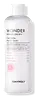
This barrier-repair toner is formulated around Centella Asiatica Extract and Panthenol to strengthen the skin barrier and hydrate skin.
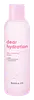
This hydrating toner is formulated around Xylitol and Biosaccharide Gum-1 to hydrate skin and strengthen the skin barrier.

What's inside
What's inside
 Key Ingredients
Benefits
Concerns
Ingredients Side-by-side
Water
Skin ConditioningDipropylene Glycol
HumectantGlycerin
Humectant


Pentaerythrityl Tetraisostearate
Emollient

Glycereth-26
Humectant
1,2-Hexanediol
Skin Conditioning
Macadamia Ternifolia Seed Oil
Emollient
Phenyl Trimethicone
Skin Conditioning
Hydroxyethyl Acrylate/Sodium Acryloyldimethyl Taurate Copolymer
Emulsion StabilisingStyrene/Vp Copolymer
Ethylhexylglycerin
Skin ConditioningCentella Asiatica Extract
Cleansing



Acrylates/C10-30 Alkyl Acrylate Crosspolymer
Emulsion StabilisingTromethamine
BufferingCaprylic/Capric Triglyceride
Masking
Allantoin
Skin Conditioning
Hydrogenated Lecithin
Emulsifying
Propanediol
Solvent
Panthenol
Skin Conditioning
Phytosteryl/Octyldodecyl Lauroyl Glutamate
Skin ConditioningCeramide NP
Skin Conditioning
Sodium Hyaluronate
Humectant
Aniba Rosodora Wood Oil
Astringent
Citrus Limon Peel Oil
Masking





Disodium EDTA
ChelatingLinalool
Perfuming
Limonene
Perfuming
Water, Dipropylene Glycol, Glycerin, Pentaerythrityl Tetraisostearate, Glycereth-26, 1,2-Hexanediol, Macadamia Ternifolia Seed Oil, Phenyl Trimethicone, Hydroxyethyl Acrylate/Sodium Acryloyldimethyl Taurate Copolymer, Styrene/Vp Copolymer, Ethylhexylglycerin, Centella Asiatica Extract, Acrylates/C10-30 Alkyl Acrylate Crosspolymer, Tromethamine, Caprylic/Capric Triglyceride, Allantoin, Hydrogenated Lecithin, Propanediol, Panthenol, Phytosteryl/Octyldodecyl Lauroyl Glutamate, Ceramide NP, Sodium Hyaluronate, Aniba Rosodora Wood Oil, Citrus Limon Peel Oil, Disodium EDTA, Linalool, Limonene
Water
Skin ConditioningGlycerin
Humectant
Butylene Glycol
Humectant
Glycereth-26
Humectant
Pentylene Glycol
Skin Conditioning
Methylpropanediol
SolventPropanediol
Solvent
Xylitol
Humectant
1,2-Hexanediol
Skin Conditioning
Diethoxyethyl Succinate
SolventCaprylyl Glycol
Emollient
Polyglyceryl-10 Laurate
Skin Conditioning
Ethylhexylglycerin
Skin ConditioningSodium Phytate
ChelatingAcrylates/C10-30 Alkyl Acrylate Crosspolymer
Emulsion StabilisingBiosaccharide Gum-1
Humectant
Parfum
Masking
Xanthan Gum
EmulsifyingCitric Acid
Buffering

Polyquaternium-51
Skin Conditioning
Tromethamine
BufferingCynanchum Atratum Extract
Skin ConditioningAlthaea Rosea Flower Extract
Skin ConditioningCamellia Sinensis Seed Oil
Humectant
Xylitylglucoside
Humectant
Anhydroxylitol
Humectant
Tocopherol
Antioxidant


Yeast Ferment Extract
Skin ConditioningGlucose
Humectant
Opuntia Ficus-Indica Fruit Extract
Skin ConditioningCandida Bombicola/Glucose/Methyl Rapeseedate Ferment
AntimicrobialWater, Glycerin, Butylene Glycol, Glycereth-26, Pentylene Glycol, Methylpropanediol, Propanediol, Xylitol, 1,2-Hexanediol, Diethoxyethyl Succinate, Caprylyl Glycol, Polyglyceryl-10 Laurate, Ethylhexylglycerin, Sodium Phytate, Acrylates/C10-30 Alkyl Acrylate Crosspolymer, Biosaccharide Gum-1, Parfum, Xanthan Gum, Citric Acid, Polyquaternium-51, Tromethamine, Cynanchum Atratum Extract, Althaea Rosea Flower Extract, Camellia Sinensis Seed Oil, Xylitylglucoside, Anhydroxylitol, Tocopherol, Yeast Ferment Extract, Glucose, Opuntia Ficus-Indica Fruit Extract, Candida Bombicola/Glucose/Methyl Rapeseedate Ferment
Reviews
Ingredients Explained
These ingredients are found in both products.
Ingredients higher up in an ingredient list are typically present in a larger amount.
1,2-Hexanediol is a synthetic liquid and another multi-functional powerhouse.
It is a:
- Humectant, drawing moisture into the skin
- Emollient, helping to soften skin
- Solvent, dispersing and stabilizing formulas
- Preservative booster, enhancing the antimicrobial activity of other preservatives
Acrylates/C10-30 Alkyl Acrylate Crosspolymer is a synthetic polymer. It is used to thicken, emulsify, and improve the texture of products.
As an emulsifier, it helps stabilize oil-in-water emulsions to give products an elegant feel when applied.
It can also form a thin protective film on skin. One study found that a formula using this polymer helped slow down how quickly other ingredients (like DEET) were absorbed through skin.
A 2024 study of over 1,300 patients confirmed that sensitization to this ingredient is rare. It is also non-mutagenic and has a clean track record.
Learn more about Acrylates/C10-30 Alkyl Acrylate CrosspolymerEthylhexylglycerin is created from glycerin. It is a multitasker ingredient that:
The CIR Expert Panel found minimal skin absorption or sensitization of any kind in a safety assessment. Though this ingredient is considered well-tolerated, a small number of cases of allergic dermatitis have been published since 2002. Just be sure to patch test if you are unsure.
Industry-reported use ranges from 8% in rinse-off products and 2% in leave-on formulations.
Learn more about EthylhexylglycerinGlycereth-26 is a synthetic ingredient and polyethylene glycol ether of Glycerin. Glycerin is already naturally found in your skin and helps keep your skin moisturized.
It is a humectant and helps add texture to products. It can make your product thicker.
As a humectant, it helps draw moisture from the air to your skin. This helps your skin stay hydrated.
Learn more about Glycereth-26Glycerin (or glycerol) is a compound naturally found in your skin. It's a powerhouse humectant that pulls water into the stratum corneum.
Topically, glycerin does several things at once:
Your skin makes glycerin on its own (mostly from sebaceous oil breakdown) and shuttles it to your outermost layer of skin, or your epidermis, via aquaporin-3.
Aquaporin-3 is a transporter that is essential for normal skin hydration, elasticity, and repair. Interestingly, mice lacking in AQP3 have dry and less elastic skin that can be fully corrected with glycerin.
This ingredient is non-irritating, plays well with almost every ingredient, and works across all skin types. Typical use is anywhere between 3-10% but can go up to 79% in some leave-on products.
Just know very high concentrations (>40%) can feel tacky in low humidity.
Glycerin is the name for this ingredient in American English. British English uses Glycerol/Glycerine.
Learn more about GlycerinPropanediol is an all-star ingredient. It softens, hydrates, and smooths the skin.
It’s often used to:
Propanediol is not likely to cause sensitivity and considered safe to use. It is derived from corn or petroleum with a clear color and no scent.
Learn more about PropanediolTromethamine (aka THAM) is a synthetic amino acid that shows up in skincare as a helper ingredient.
It functions as a pH adjuster to help neutralize acidic ingredients and set a formula's pH to the right spot.
This matters a lot because a lot of actives (like vitamin C) needs a specific pH to work well and feel comfortable on skin.
Concentration use ranges from 0.1-1.0% depending on the formula.
Learn more about TromethamineWater. It's the most common cosmetic ingredient of all. You'll usually see it at the top of ingredient lists, meaning that it makes up the largest part of the product.
So why is it so popular? Water most often acts as a solvent - this means that it helps dissolve other ingredients into the formulation.
You'll also recognize water as that liquid we all need to stay alive. If you see this, drink a glass of water. Remember to stay hydrated!
Learn more about Water

