TONYMOLY The Chok Chok Green Tea Intense Cream Versus Haruharu Wonder Centella 5% Niacinamide Radiance Gel Cream
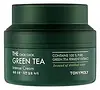
This calming moisturizer is formulated around Camellia Sinensis Leaf Extract to calm redness and hydrate skin.
This brightening moisturizer is formulated around Niacinamide and Centella Asiatica Leaf Water to brighten dull-looking skin and calm redness.

What's inside
What's inside
 Key Ingredients
Benefits
Concerns
Ingredients Side-by-side
Camellia Sinensis Leaf Extract
Antimicrobial







Cyclomethicone
Emollient
Propanediol
Solvent
Glycerin
Humectant
Glycereth-26
Humectant
Pentaerythrityl Tetraethylhexanoate
Emollient
Butylene Glycol Dicaprylate/Dicaprate
EmollientSorbitan Olivate
Emulsifying

Cetearyl Olivate
1,2-Hexanediol
Skin Conditioning
Polyacrylate Crosspolymer-6
Emulsion StabilisingPolysilicone-11
Phytosteryl/Octyldodecyl Lauroyl Glutamate
Skin ConditioningAmmonium Acryloyldimethyltaurate/Vp Copolymer
Aniba Rosaeodora Wood Oil
Astringent



Citrus Limon Peel
MaskingDisodium EDTA
Chelating2-O-Ethyl Ascorbic Acid
Skin Conditioning

Camellia Sinensis Leaf Extract, Cyclomethicone, Propanediol, Glycerin, Glycereth-26, Pentaerythrityl Tetraethylhexanoate, Butylene Glycol Dicaprylate/Dicaprate, Sorbitan Olivate, Cetearyl Olivate, 1,2-Hexanediol, Polyacrylate Crosspolymer-6, Polysilicone-11, Phytosteryl/Octyldodecyl Lauroyl Glutamate, Ammonium Acryloyldimethyltaurate/Vp Copolymer, Aniba Rosaeodora Wood Oil, Citrus Limon Peel, Disodium EDTA, 2-O-Ethyl Ascorbic Acid
Water
Skin ConditioningNiacinamide 5%
Smoothing


Propanediol
Solvent
Centella Asiatica Leaf Water 3.8%
Skin Conditioning
Glycerin
Humectant
Butylene Glycol Dicaprylate/Dicaprate
EmollientSqualane 2%
Emollient
1,2-Hexanediol
Skin Conditioning
Cetearyl Olivate
Panthenol
Skin Conditioning
Ammonium Acryloyldimethyltaurate/Vp Copolymer
Sorbitan Olivate
Emulsifying
Carbomer
Emulsion StabilisingSclerotium Gum
Emulsion StabilisingTromethamine
BufferingHelianthus Annuus Seed Oil
Emollient
Xanthan Gum
EmulsifyingMadecassoside
Antioxidant
Ethylhexylglycerin
Skin ConditioningDisodium EDTA
ChelatingXylitol
Humectant
Ascorbic Acid
Antioxidant
Water, Niacinamide 5%, Propanediol, Centella Asiatica Leaf Water 3.8%, Glycerin, Butylene Glycol Dicaprylate/Dicaprate, Squalane 2%, 1,2-Hexanediol, Cetearyl Olivate, Panthenol, Ammonium Acryloyldimethyltaurate/Vp Copolymer, Sorbitan Olivate, Carbomer, Sclerotium Gum, Tromethamine, Helianthus Annuus Seed Oil, Xanthan Gum, Madecassoside, Ethylhexylglycerin, Disodium EDTA, Xylitol, Ascorbic Acid
Reviews
Ingredients Explained
These ingredients are found in both products.
Ingredients higher up in an ingredient list are typically present in a larger amount.
1,2-Hexanediol is a synthetic liquid and another multi-functional powerhouse.
It is a:
- Humectant, drawing moisture into the skin
- Emollient, helping to soften skin
- Solvent, dispersing and stabilizing formulas
- Preservative booster, enhancing the antimicrobial activity of other preservatives
Ammonium Acryloyldimethyltaurate/Vp Copolymer is a synthetically created polymer. It's used as a film-forming agent and used to thicken the consistency of products.
Think of it as a supportive ingredient that helps your gel-creams feel silky, "cloud cream-like", and spread evenly without being greasy.
The Cosmetic Ingredient Review (CIR) Expert Panel evaluated it (along with 22 other acryloyldimethyltaurate polymers) and concluded it's:
Due to its large molecular size, it sits on the surface of skin rather than penetrating it.
Learn more about Ammonium Acryloyldimethyltaurate/Vp CopolymerThis is a lightweight diester (caprylic/capric acid + butylene glycol) with emollient and skin conditioning properties.
According to a manufacturer, this ingredient can help add a "cushiony" oil phase without making it heavy.
Cetearyl Olivate is a plant-derived emulsifier and texture enhancer. It helps keep the oil and water phases from separating so your formulas stay stable.
You'll likely see it combined with Sorbitan Olivate (together sold as the trade name Olivem 1000). This combination generates a liquid crystal structure that closely resemble the lipid organization of the stratum corneum.
These "skin-like" liquid crystals improve skin barrier integrity and promote the delivery of actives into the skin.
This ingredient is well-tolerated and has no significant sensitization data.
Because it is derived from the fatty acids in olive oil, this ingredient may not be fungal acne safe.
Learn more about Cetearyl OlivateDisodium EDTA is a chelating agent. It grabs onto and deactivates metal ions that sneak into your products from water, packaging, or air.
This ingredient mainly works behind the scenes and helps with:
On top of that, this ingredient can counteract the effects of hard water by binding to the minerals in it.
One thing worth knowing is that Disodium EDTA has been shown to be a mild penetration enhancer. It can help other ingredients absorb into skin more effectively which can be a double-edged sword (great for actives, but can also make the active too strong if you have sensitive skin).
Clinical patch testing showed no significant skin irritation at typical use concentrations and minimal dermal absorption.
You'll most likely see this ingredient near the end of an ingredient list. It's typically found in concentrations less than 1%.
Learn more about Disodium EDTAGlycerin (or glycerol) is a compound naturally found in your skin. It's a powerhouse humectant that pulls water into the stratum corneum.
Topically, glycerin does several things at once:
Your skin makes glycerin on its own (mostly from sebaceous oil breakdown) and shuttles it to your outermost layer of skin, or your epidermis, via aquaporin-3.
Aquaporin-3 is a transporter that is essential for normal skin hydration, elasticity, and repair. Interestingly, mice lacking in AQP3 have dry and less elastic skin that can be fully corrected with glycerin.
This ingredient is non-irritating, plays well with almost every ingredient, and works across all skin types. Typical use is anywhere between 3-10% but can go up to 79% in some leave-on products.
Just know very high concentrations (>40%) can feel tacky in low humidity.
Glycerin is the name for this ingredient in American English. British English uses Glycerol/Glycerine.
Learn more about GlycerinPropanediol is an all-star ingredient. It softens, hydrates, and smooths the skin.
It’s often used to:
Propanediol is not likely to cause sensitivity and considered safe to use. It is derived from corn or petroleum with a clear color and no scent.
Learn more about PropanediolSorbitan Olivate is created from the fatty acids in olive oil and sorbitol.
This ingredient is an oil in water emulsifier. It helps stabilize a product by preventing oils and waters from separating. Sorbitan Olivate also helps hydrate the skin.
This ingredient is also known as part of Olivem 1000, with Cetearyl Olivate being the other part.
According to a manufacturer, this ingredient helps preserve the natural microbiome of skin. Having a healthy microbiome helps keep our skin healthy and protects against harmful bacteria.
Please note, having a healthy microbiome is different from fungal acne; a healthy microbiome includes small amounts of yeast that normally live on your skin without causing problems.
Fungal acne happens when one type of yeast (Malassezia) grows out of control. This is usually because it's feeding on certain oils or fatty acids. Due to the olive oil base, this ingredient may not be fungal acne safe.
Learn more about Sorbitan Olivate

