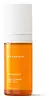
This brightening serum is formulated around Ascorbyl Tetraisopalmitate and Ascorbyl Glucoside to brighten dull-looking skin and fade the look of dark spots.
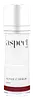
This anti-aging serum is formulated around Ascorbyl Tetraisopalmitate and Palmitoyl Tripeptide-5 to soften the look of wrinkles.


What's inside
What's inside
 Key Ingredients
Benefits
Concerns
Ingredients Side-by-side
Water
Skin ConditioningAscorbyl Tetraisopalmitate
Antioxidant




Propanediol
Solvent

Ascorbyl Glucoside
Antioxidant


Glycerin
Humectant
Tricaprylin
Perfuming

Methylpropanediol
SolventGlycine Soja Seed Extract
Skin Conditioning
Tocopheryl Acetate
Antioxidant
Ascorbyl Methylsilanol Pectinate
Antioxidant
Ferulic Acid
Antimicrobial
Lecithin
Emollient
Sclerotium Gum
Emulsion StabilisingPullulan
Xanthan Gum
EmulsifyingSilica
Abrasive


Sodium Hydroxide
BufferingSodium Citrate
BufferingCitric Acid
Buffering
Sodium Benzoate
Masking
Potassium Sorbate
Preservative
Water, Ascorbyl Tetraisopalmitate, Propanediol, Ascorbyl Glucoside, Glycerin, Tricaprylin, Methylpropanediol, Glycine Soja Seed Extract, Tocopheryl Acetate, Ascorbyl Methylsilanol Pectinate, Ferulic Acid, Lecithin, Sclerotium Gum, Pullulan, Xanthan Gum, Silica, Sodium Hydroxide, Sodium Citrate, Citric Acid, Sodium Benzoate, Potassium Sorbate
Water
Skin ConditioningGlycerin
Humectant
Panthenol
Skin Conditioning
Ascorbyl Tetraisopalmitate
Antioxidant
Tocopheryl Acetate
Antioxidant
Lecithin
Emollient
Oryza Sativa Bran Oil
Emollient
Phenoxyethanol
Preservative
Citrus Aurantium Dulcis Peel Oil
Masking
Pullulan
Citrus Reticulata Peel Oil
Masking

Epilobium Angustifolium Flower/Leaf/Stem Extract
Skin ConditioningNannochloropsis Oculata Extract
HumectantPalmitoyl Tripeptide-5
Skin Conditioning

Terminalia Ferdinandiana Fruit Extract
Antioxidant
Backhousia Citriodora Leaf Extract
AstringentCodonopsis Lanceolata Extract
Antioxidant
Citrus Glauca Fruit Extract
HumectantDavidsonia Jerseyana Fruit Extract
Antioxidant
Dipeptide Diaminobutyroyl Benzylamide Diacetate
Skin Conditioning
Citrus Aurantium Amara Leaf/Twig Oil
Masking
Lactic Acid
Buffering
Xanthan Gum
EmulsifyingSclerotium Gum
Emulsion StabilisingPotassium Sorbate
Preservative
Sodium Stearoyl Glutamate
CleansingDisodium EDTA
ChelatingEthylhexylglycerin
Skin ConditioningBenzoic Acid
Masking
Sorbic Acid
Preservative
Sodium Metabisulfite
Antioxidant
Water, Glycerin, Panthenol, Ascorbyl Tetraisopalmitate, Tocopheryl Acetate, Lecithin, Oryza Sativa Bran Oil, Phenoxyethanol, Citrus Aurantium Dulcis Peel Oil, Pullulan, Citrus Reticulata Peel Oil, Epilobium Angustifolium Flower/Leaf/Stem Extract, Nannochloropsis Oculata Extract, Palmitoyl Tripeptide-5, Terminalia Ferdinandiana Fruit Extract, Backhousia Citriodora Leaf Extract, Codonopsis Lanceolata Extract, Citrus Glauca Fruit Extract, Davidsonia Jerseyana Fruit Extract, Dipeptide Diaminobutyroyl Benzylamide Diacetate, Citrus Aurantium Amara Leaf/Twig Oil, Lactic Acid, Xanthan Gum, Sclerotium Gum, Potassium Sorbate, Sodium Stearoyl Glutamate, Disodium EDTA, Ethylhexylglycerin, Benzoic Acid, Sorbic Acid, Sodium Metabisulfite
Reviews
Ingredients Explained
These ingredients are found in both products.
Ingredients higher up in an ingredient list are typically present in a larger amount.
Ascorbyl Tetraisopalmitate is a version of ascorbic acid, or Vitamin C.
This ingredient has many benefits including reducing wrinkles, skin soothing, dark spot fading, and fighting against free radicals.
It helps with dark spot fading by interfering with the process of skin darkening, helping to reduce hyperpigmentation. Like other forms of vitamin C, this ingredient encourages the skin to create more collagen.
As an antioxidant, it helps fight free-radicals. Free-radicals are molecules that may damage your skin cells.
One study found Ascorbyl Tetraisopalmitate to degrade in sunlight, but is stabilized when combined with acetyl zingerone.
Learn more about Ascorbyl TetraisopalmitateGlycerin (or glycerol) is a compound naturally found in your skin. It's a powerhouse humectant that pulls water into the stratum corneum.
Topically, glycerin does several things at once:
Your skin makes glycerin on its own (mostly from sebaceous oil breakdown) and shuttles it to your outermost layer of skin, or your epidermis, via aquaporin-3.
Aquaporin-3 is a transporter that is essential for normal skin hydration, elasticity, and repair. Interestingly, mice lacking in AQP3 have dry and less elastic skin that can be fully corrected with glycerin.
This ingredient is non-irritating, plays well with almost every ingredient, and works across all skin types. Typical use is anywhere between 3-10% but can go up to 79% in some leave-on products.
Just know very high concentrations (>40%) can feel tacky in low humidity.
Glycerin is the name for this ingredient in American English. British English uses Glycerol/Glycerine.
Learn more about GlycerinLecithin is a term for a group of substances found in the cell membranes of plants, animals, and humans. They are made up of phospholipids.
Thanks to its amphiphilic structure (water-loving head and oil-loving tail), it is a true multitasker:
It plays well with most ingredients and is typically used at 0.1-1%. However, concentrations up to 50% have been reported in moisturizers.
Learn more about LecithinPotassium Sorbate is a preservative used to prevent yeast and mold in products. It is commonly found in both cosmetic and food products.
This ingredient comes from potassium salt derived from sorbic acid. Sorbic acid is a natural antibiotic and effective against fungus.
Both potassium sorbate and sorbic acid can be found in baked goods, cheeses, dried meats, dried fruit, ice cream, pickles, wine, yogurt, and more.
You'll often find this ingredient used with other preservatives.
Learn more about Potassium SorbatePullulan is a low viscosity polysaccharide (a long chain carbohydrate) with binding and film forming properties when dissolved in water. It is used to create a "silicone-like" or silky feel in cosmetics without adding viscosity.
According to a manufacturer, this ingredient's ability to easily dissolves makes it a great carrier for active ingredients.
Due to it being edible and tasteless, you'll likely find this ingredient in breath freshener strips. This ingredient is produced from the starch of the fungus, Aureobasidium pullulans.
Pullulan is stable over a broad-range of pH.
Learn more about PullulanSclerotium Gum is a natural sugar-based fiber made by fermenting a fungus called Sclerotium rolfsii. It's often used as the plant-friendly alternative for synthetic thickeners like carbomer.
In skincare, it works as a thickener, gel former, and stabilizer that keeps heavy ingredients suspended so a product does not separate.
It is non-ionic and forms a triple helix in solution. This is just a fancy way of saying it builds a smooth, cushiony, and non-sticky gel that feels silkier than many other gums.
Another perk of this ingredient is that it is very sturdy and holds up across a wide pH range (~2-11). It's also good at resisting heat and hydrolysis.
Since it holds water at the skin surface, it can provide some light hydration as well.
Typical use levels are around 0.25-2%; formulators usually use 0.2-0.5% to thicken lotions and up to 2% for a firmer gel base.
This ingredient has been found safe in cosmetics with no meaningful evidence of skin sensitization.
Learn more about Sclerotium GumTocopheryl Acetate is a stable, shelf-friendly form of vitamin E.
Formulators love it because plain vitamin E oxidizes quickly once it hits air. This acetate version stays stable and resists going off, helping to extend a product's shelf life.
It's actually inactive on its own and works like a slow-release "storage" form; the enzymes in your skin called esterases gradually convert it into active vitamin E over time.
One in vivo study showed 5% of the acetate in the living layer of the epidermis converted to vitamin E after 5 days of application. This study also found the skin gained protection against UV damage even though the conversion was slow and small.
Once converted, vitamin E acts as a skin's main fat-soluble antioxidant that fights free radicals to protect skin from damage.
Topical vitamin E generally boosts the skin's photoprotection, and it reduced UV-damage in animal models.
This ingredient has some brightening potential but it's more of a prevention ingredient than spot-fader. Cell studies show it can slow down melanin production but it's worth noting that it's not the most powerful brightener out there.
Overall, it has a pretty solid safety profile and has been found to be non-irritating and non-comedogenic. Allergic reactions may happen but stay rare due to how widely the ingredient gets used.
The concentration will vary depending on the formula; industry data shows 0.1% in baby lotions, 3% in lipsticks, and 5% in foot powders. You can also find this ingredient at 100% in a pure vitamin E oil.
Most leave-on skincare keeps it at the lower end, often between 0.5-1%.
Learn more about Tocopheryl AcetateWater. It's the most common cosmetic ingredient of all. You'll usually see it at the top of ingredient lists, meaning that it makes up the largest part of the product.
So why is it so popular? Water most often acts as a solvent - this means that it helps dissolve other ingredients into the formulation.
You'll also recognize water as that liquid we all need to stay alive. If you see this, drink a glass of water. Remember to stay hydrated!
Learn more about WaterXanthan gum is used as a stabilizer and thickener within cosmetic products. It helps give products a sticky, thick feeling - preventing them from being too runny.
On the technical side of things, xanthan gum is a polysaccharide - a combination consisting of multiple sugar molecules bonded together.
Xanthan gum is a pretty common and great ingredient. It is a natural, non-toxic, non-irritating ingredient that is also commonly used in food products.
Learn more about Xanthan Gum

