
What's inside
What's inside
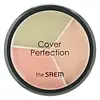 Key Ingredients
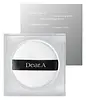
Benefits
Concerns
Ingredients Side-by-side
CI 77891
Cosmetic ColorantCaprylic/Capric Triglyceride
Masking


Polyisobutene
Mica
Cosmetic ColorantIsodecyl Neopentanoate
EmollientDiisostearyl Malate
EmollientHydrogenated Castor Oil
Emollient


Dipentaerythrityl Hexahydroxystearate/Hexastearate/Hexarosinate
Skin ConditioningMethyl Methacrylate Crosspolymer

Butyloctyl Salicylate
Skin Conditioning

CI 77492
Cosmetic ColorantParaffin
Skin Conditioning
Aluminum Hydroxide
Emollient1,2-Hexanediol
Skin Conditioning
Sorbitan Sesquioleate
Emulsifying

Microcrystalline Wax
Emulsion StabilisingCI 77491
Cosmetic ColorantMethicone
Emollient
CI 77499
Cosmetic ColorantCaprylyl Glycol
Emollient
Squalane
Emollient
Parfum
Masking

Prunus Amygdalus Dulcis Oil
Skin Conditioning
Water
Skin ConditioningBHT
Antioxidant
Butylene Glycol
Humectant
Aspalathus Linearis Leaf Extract
Skin ConditioningThymus Vulgaris Extract
Perfuming
Foeniculum Vulgare Leaf Extract
HumectantLinalool
Perfuming
Limonene
Perfuming
Hexyl Cinnamal
Perfuming
Titanium Dioxide
Cosmetic Colorant
CI 77288
Cosmetic ColorantAlpha-Isomethyl Ionone
Perfuming
CI 77891, Caprylic/Capric Triglyceride, Polyisobutene, Mica, Isodecyl Neopentanoate, Diisostearyl Malate, Hydrogenated Castor Oil, Dipentaerythrityl Hexahydroxystearate/Hexastearate/Hexarosinate, Methyl Methacrylate Crosspolymer, Butyloctyl Salicylate, CI 77492, Paraffin, Aluminum Hydroxide, 1,2-Hexanediol, Sorbitan Sesquioleate, Microcrystalline Wax, CI 77491, Methicone, CI 77499, Caprylyl Glycol, Squalane, Parfum, Prunus Amygdalus Dulcis Oil, Water, BHT, Butylene Glycol, Aspalathus Linearis Leaf Extract, Thymus Vulgaris Extract, Foeniculum Vulgare Leaf Extract, Linalool, Limonene, Hexyl Cinnamal, Titanium Dioxide, CI 77288, Alpha-Isomethyl Ionone


Reviews
Ingredients Explained
These ingredients are found in both products.
Ingredients higher up in an ingredient list are typically present in a larger amount.
1,2-Hexanediol is a synthetic liquid and another multi-functional powerhouse.
It is a:
- Humectant, drawing moisture into the skin
- Emollient, helping to soften skin
- Solvent, dispersing and stabilizing formulas
- Preservative booster, enhancing the antimicrobial activity of other preservatives
Caprylyl Glycol is a humectant, skin conditioner, emollient, and preservative booster derived from either caprylic acid or synthetically created.
Typical use levels vary from 0.3-1% as a preservative booster and go up to 2% to condition skin.
Because it is not a free-fatty acid, this ingredient is fungal acne safe (there's nothing for Malassezia to feed on).
Learn more about Caprylyl GlycolParfum is a catch-all term for an ingredient or more that is used to give a scent to products.
Also called "fragrance", this ingredient can be a blend of hundreds of chemicals or plant oils. This means every product with "fragrance" or "parfum" in the ingredients list is a different mixture.
For instance, Habanolide is a proprietary trade name for a specific aroma chemical. When used as a fragrance ingredient in cosmetics, most aroma chemicals fall under the broad labeling category of “FRAGRANCE” or “PARFUM” according to EU and US regulations.
The term 'parfum' or 'fragrance' is not regulated in many countries. In many cases, it is up to the brand to define this term.
For instance, many brands choose to label themselves as "fragrance-free" because they are not using synthetic fragrances. However, their products may still contain ingredients such as essential oils that are considered a fragrance by INCI standards.
One example is Calendula flower extract. Calendula is an essential oil that still imparts a scent or 'fragrance'.
Depending on the blend, the ingredients in the mixture can cause allergies and sensitivities on the skin. Some ingredients that are known EU allergens include linalool and citronellol.
Parfum can also be used to mask or cover an unpleasant scent.
The bottom line is: not all fragrances/parfum/ingredients are created equally. If you are worried about fragrances, we recommend taking a closer look at an ingredient. And of course, we always recommend speaking with a professional.
Learn more about Parfum

