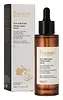
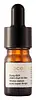
The Cocoon Vietnam Winter Melon Serum N7 Fight Pimples & Fade Dark Spots Versus The Cocoon Vietnam Winter Melon Acne Super Drops
This acne serum is formulated around Niacinamide and Acetyl Glucosamine to clear breakouts and fade the look of dark spots.
This calming treatment is formulated around Potassium Azeloyl Diglycinate and Centella Asiatica Extract to calm redness.

What's inside
What's inside
 Key Ingredients
Benefits
Concerns
No concerns
Ingredients Side-by-side
Water
Skin ConditioningNiacinamide
Smoothing











Acetyl Glucosamine
Skin Conditioning
Ethoxydiglycol
HumectantPentylene Glycol
Skin Conditioning
Cocamidopropyl Dimethylamine
Emulsifying
Dimethyl Isosorbide
SolventButylene Glycol
Humectant
Benincasa Cerifera Fruit Extract
Skin ConditioningMadecassic Acid
Skin Conditioning
Asiatic Acid
Skin Conditioning
Asiaticoside
Antioxidant
Centella Asiatica Extract
Cleansing
Ferulic Acid
Antimicrobial
Salicylic Acid
Masking





Bisabolol
Antioxidant
Zinc PCA
Humectant
Phellodendron Amurense Bark Extract
Skin ConditioningGlycereth-26
Humectant
Hydroxyacetophenone
Antioxidant
Bis-PEG-18 Methyl Ether Dimethyl Silane
EmollientHydroxyethylcellulose
Emulsion StabilisingMelaleuca Alternifolia Leaf Oil
Antioxidant


Lavandula Angustifolia Flower Oil
Masking
Rosmarinus Officinalis Leaf Oil
Masking
Trisodium Ethylenediamine Disuccinate
ChelatingTromethamine
BufferingWater, Niacinamide, Acetyl Glucosamine, Ethoxydiglycol, Pentylene Glycol, Cocamidopropyl Dimethylamine, Dimethyl Isosorbide, Butylene Glycol, Benincasa Cerifera Fruit Extract, Madecassic Acid, Asiatic Acid, Asiaticoside, Centella Asiatica Extract, Ferulic Acid, Salicylic Acid, Bisabolol, Zinc PCA, Phellodendron Amurense Bark Extract, Glycereth-26, Hydroxyacetophenone, Bis-PEG-18 Methyl Ether Dimethyl Silane, Hydroxyethylcellulose, Melaleuca Alternifolia Leaf Oil, Lavandula Angustifolia Flower Oil, Rosmarinus Officinalis Leaf Oil, Trisodium Ethylenediamine Disuccinate, Tromethamine
Water
Skin ConditioningPotassium Azeloyl Diglycinate
Skin Conditioning
Butylene Glycol
Humectant
1,2-Hexanediol
Skin Conditioning
Nelumbo Nucifera Leaf Extract
Skin ConditioningGlycerin
Humectant
Propanediol
Solvent
Betaine
Humectant
Benincasa Cerifera Fruit Extract
Skin ConditioningCentella Asiatica Extract
Cleansing
Phellodendron Amurense Bark Extract
Skin ConditioningCamellia Sinensis Leaf Extract
Antimicrobial
Psidium Guajava Leaf Extract
AstringentAngelica Gigas Extract
Skin ConditioningDipotassium Glycyrrhizate
Humectant
Hydroxyacetophenone
Antioxidant
Trisodium Ethylenediamine Disuccinate
ChelatingWater, Potassium Azeloyl Diglycinate, Butylene Glycol, 1,2-Hexanediol, Nelumbo Nucifera Leaf Extract, Glycerin, Propanediol, Betaine, Benincasa Cerifera Fruit Extract, Centella Asiatica Extract, Phellodendron Amurense Bark Extract, Camellia Sinensis Leaf Extract, Psidium Guajava Leaf Extract, Angelica Gigas Extract, Dipotassium Glycyrrhizate, Hydroxyacetophenone, Trisodium Ethylenediamine Disuccinate
Reviews
Ingredients Explained
These ingredients are found in both products.
Ingredients higher up in an ingredient list are typically present in a larger amount.
We don't have a description for Benincasa Cerifera Fruit Extract yet.
Butylene Glycol (or BG) is used within cosmetic products for a few different reasons:
Overall, Butylene Glycol is a safe and well-rounded ingredient that works well with other ingredients.
Though this ingredient works well with most skin types, some people with sensitive skin may experience a reaction such as allergic rashes, closed comedones, or itchiness.
Learn more about Butylene GlycolCentella Asiatica Extract (Centella) is one of the most researched botanical extracts in skincare with decades of studies backing its effects on inflammation, collagen, and the skin barrier.
That research keeps pointing back to the same four triterpenoid saponins: Asiaticoside, Madecassoside, Asiatic Acid, and Madecassic Acid.
These compounds allow centella to dial back inflammation, encourage the skin to build and hold onto collagen, support the barrier and hydration, and bring solid antioxidant activity to protect against signs of aging.
Centella also carries a nice supporting cast of Vitamin A, vitamin C, several B vitamins, and amino acids. Put it all together and you get an ingredient that soothes, hydrates, and protects, all at once.
Most of centella's magic comes from the four big compounds (Asiaticoside, Madecassoside, Asiatic Acid, and Madecassic Acid). These are the actives doing the heavy lifting in almost every centella study.
Here is the short version of what they do in the skin:
So it is not just soothing for the sake of soothing. Centella calms the skin AND helps it rebuild.
Just FYI, not all centella on an ingredient list is the same. What you are getting actually depends on the extract:
Fun fact on the ratios: the leaves tend to be richest in Madecassoside and Asiaticoside, and lower in the two acids. The exact amounts shift with where the plant is grown and how it is processed. This means purity really does vary brand to brand.
Centella is one of the most easygoing actives out there.
It layers well with basically everything: niacinamide, hyaluronic acid, peptides, and vitamin C, and also pairs nicely with stronger actives like retinoids and exfoliating acids where it can help take the edge off irritation.
On the safety side, centella and its triterpenes are classified as weak sensitizers, meaning allergic reactions are possible but uncommon.
Patch tests at 1% and 5% came back negative in test panels, and creams at typical use levels did not cause allergic reactions across large groups of people.
But as with any new active, a patch test is still a smart move for very reactive skin.
Centella is widely used because it is effective at low percentages. For context, human safety testing found no meaningful irritation from creams containing centella extract at everyday use levels (the tested amounts were well under 1%).
The irritancy threshold in animal testing was also above 30% (so real-world formulas sit far below anything concerning).
In collagen lab studies, higher concentrations drove more collagen synthesis, so serums built around centella tend to feature it more prominently.
Bottom line: you will find centella working nicely anywhere from a fraction of a percent up to hero-ingredient levels depending on whether it is a supporting soother or the main event.
Fun fact: Centella has been used as a medicine and in food for many centuries. As a medicine, it is used to treat burns, scratches, and wounds.
Learn more about Centella Asiatica ExtractHydroxyacetophenone is a small phenolic molecule that earns its place in a formulas as an antioxidant and preservative booster.
As a phenol, it is able to neutralize free radicals to protect both the product and the skin from oxidative stress.
Though it can't kill microbes on its own, it works as a good supporting agent when combined with other preservatives like Phenoxyethanol or 1,2-Hexanediol.
This ingredient naturally occurs as piceol in Norwegian spruce needles (~0.4-1.1% dry weight and in cloudberries). Though the cosmetic-grade material is synthesized for purity and consistency.
You'll usually see it used at low levels and suppliers recommend up to 1% added to a water phase.
Safety testing was done at concentrations like 0.05% in SPF products and 0.5% in a Human Repeated Insult Patch Test. The safety evidence is assuring; this ingredient is safe for cosmetics in current use and also holds safety status as a food flavoring as well.
An honest caveat: the "soothing" and "anti-inflammatory" claims come mostly from supplier marketing rather than published clinical trials. The Cosmetic Ingredient Review's own literature search found no useful efficacy studies on this ingredient.
So the antioxidant and preservative-boosting roles are the well supported ones while the calming benefit is plausible but thinly evidenced.
Overall, this is a well-tolerated, low-irritation multitasker that quietly helps a formula stay fresh and stable.
Learn more about HydroxyacetophenoneThis ingredient is also known as Amur cork tree bark. It is a botanical extract with skin conditioning and tonic properties.
Amur tree bark is rich in compounds, such as berberine and palmatine, that are widely studied for antioxidant and anti-inflammatory activity.
In lab research, this ingredient has been shown to reduce inflammation in skin cells exposed to pollution. The results were also linked to PAR-2 signaling, a pathway involved in irritation and barrier stress. This is why you'll see this ingredient in "anti-pollution" skincare.
Preclinical work also suggests anti-inflammatory benefits in atopic-dermatitis models when used topically.
Please note that these studies do not offer strong proof because they do not involve humans. However, this ingredient has low irritation/risk and there's no harm in trying it out.
Learn more about Phellodendron Amurense Bark ExtractTrisodium Ethylenediamine Disuccinate is used to help stabilize a product.
It is a chelating agent, meaning it helps prevent metal ions from binding to other ingredients. This prevents unwanted reactions in products. Metal ions can come into a product via the water ingredient. They are found in trace amounts and are not known to be harmful.
Water. It's the most common cosmetic ingredient of all. You'll usually see it at the top of ingredient lists, meaning that it makes up the largest part of the product.
So why is it so popular? Water most often acts as a solvent - this means that it helps dissolve other ingredients into the formulation.
You'll also recognize water as that liquid we all need to stay alive. If you see this, drink a glass of water. Remember to stay hydrated!
Learn more about Water

