The Body Shop Tea Tree Anti-Imperfection Night Mask Versus The Body Shop Tea Tree Skin Clearing Night Mask
This acne overnight mask is formulated around Melaleuca Alternifolia Leaf Oil and Salicylic Acid to clear breakouts and balance excess oil.
This acne overnight mask is formulated around Melaleuca Alternifolia Leaf Oil and Salicylic Acid to clear breakouts and balance excess oil.

What's inside
What's inside
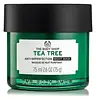 Key Ingredients
Benefits
Concerns
Ingredients Side-by-side
Water
Skin ConditioningGlycerin
Humectant


Propanediol
Solvent
Acrylates/Beheneth-25 Methacrylate Copolymer
Phenoxyethanol
Preservative
Lauryl Methacrylate/Glycol Dimethacrylate Crosspolymer
Melaleuca Alternifolia Leaf Oil
Antioxidant







Ethylhexylglycerin
Skin ConditioningSodium Hydroxide
BufferingSalicylic Acid
Masking





Allantoin
Skin Conditioning

Aloe Barbadensis Leaf Juice Powder
Skin Conditioning
Calophyllum Inophyllum Seed Oil
Antimicrobial
Acrylates/C10-30 Alkyl Acrylate Crosspolymer
Emulsion StabilisingTrisodium Ethylenediamine Disuccinate
Sodium Hyaluronate
Humectant

Hydrolyzed Algin
Limonene
Perfuming
Citral
Perfuming
PEG-30 Dipolyhydroxystearate
Emulsifying
Trideceth-6
EmulsifyingZinc Sulfate
Antimicrobial
Citronellol
Perfuming
Leptospermum Petersonii Oil
Masking
Tocopherol
Antioxidant

Caramel
Cosmetic ColorantCI 19140
Cosmetic ColorantCI 42090
Cosmetic ColorantWater, Glycerin, Propanediol, Acrylates/Beheneth-25 Methacrylate Copolymer, Phenoxyethanol, Lauryl Methacrylate/Glycol Dimethacrylate Crosspolymer, Melaleuca Alternifolia Leaf Oil, Ethylhexylglycerin, Sodium Hydroxide, Salicylic Acid, Allantoin, Aloe Barbadensis Leaf Juice Powder, Calophyllum Inophyllum Seed Oil, Acrylates/C10-30 Alkyl Acrylate Crosspolymer, Trisodium Ethylenediamine Disuccinate, Sodium Hyaluronate, Hydrolyzed Algin, Limonene, Citral, PEG-30 Dipolyhydroxystearate, Trideceth-6, Zinc Sulfate, Citronellol, Leptospermum Petersonii Oil, Tocopherol, Caramel, CI 19140, CI 42090
Water
Skin ConditioningGlycerin
Humectant
Propanediol
Solvent
Acrylates/Beheneth-25 Methacrylate Copolymer
Phenoxyethanol
Preservative
Tapioca Starch
Melaleuca Alternifolia Leaf Oil
Antioxidant
Ethylhexylglycerin
Skin ConditioningSodium Hydroxide
BufferingSalicylic Acid
Masking
Acrylates/C10-30 Alkyl Acrylate Crosspolymer
Emulsion StabilisingAllantoin
Skin Conditioning
Aloe Barbadensis Leaf Juice Powder
Skin Conditioning
Calophyllum Inophyllum Seed Oil
Antimicrobial
Citrus Paradisi Fruit Extract
Skin ConditioningTrisodium Ethylenediamine Disuccinate
Hydrolyzed Algin
Sodium Hyaluronate
Humectant
Citric Acid
Buffering
Limonene
Perfuming
Citral
Perfuming
Zinc Sulfate
Antimicrobial
Linalool
Perfuming
Polymethylsilsesquioxane

Citronellol
Perfuming
Leptospermum Petersonii Oil
Masking
Tocopherol
Antioxidant
Caramel
Cosmetic ColorantCI 19140
Cosmetic ColorantCI 42090
Cosmetic ColorantCI 60730
Cosmetic ColorantCI 60725
Cosmetic ColorantWater, Glycerin, Propanediol, Acrylates/Beheneth-25 Methacrylate Copolymer, Phenoxyethanol, Tapioca Starch, Melaleuca Alternifolia Leaf Oil, Ethylhexylglycerin, Sodium Hydroxide, Salicylic Acid, Acrylates/C10-30 Alkyl Acrylate Crosspolymer, Allantoin, Aloe Barbadensis Leaf Juice Powder, Calophyllum Inophyllum Seed Oil, Citrus Paradisi Fruit Extract, Trisodium Ethylenediamine Disuccinate, Hydrolyzed Algin, Sodium Hyaluronate, Citric Acid, Limonene, Citral, Zinc Sulfate, Linalool, Polymethylsilsesquioxane, Citronellol, Leptospermum Petersonii Oil, Tocopherol, Caramel, CI 19140, CI 42090, CI 60730, CI 60725
Ingredients Explained
These ingredients are found in both products.
Ingredients higher up in an ingredient list are typically present in a larger amount.
We don't have a description for Acrylates/Beheneth-25 Methacrylate Copolymer yet.
Acrylates/C10-30 Alkyl Acrylate Crosspolymer is a synthetic polymer. It is used to thicken, emulsify, and improve the texture of products.
As an emulsifier, it helps stabilize oil-in-water emulsions to give products an elegant feel when applied.
It can also form a thin protective film on skin. One study found that a formula using this polymer helped slow down how quickly other ingredients (like DEET) were absorbed through skin.
A 2024 study of over 1,300 patients confirmed that sensitization to this ingredient is rare. It is also non-mutagenic and has a clean track record.
Learn more about Acrylates/C10-30 Alkyl Acrylate CrosspolymerAllantoin is a soothing ingredient known for its protective and moisturizing properties; it's basically a quiet workhorse ingredient you can find in a huge range of cosmetics.
Though it can be derived from the comfrey plant, allantoin is produced synthetically for cosmetic products to ensure purity.
Research shows it can encourage your skin cells to turn over and renew by stimulating keratinocyte and fibroblast proliferation.
It also has mild keratolytic properties to help loosen and shed dead skin cells without being harsh.
Studies also suggest allantoin can help calm inflammation by dialing down some of the chemical signals your skin sends out when it is irritated.
This ingredient is typically used in the 0.1-0.5% range, and the FDA recognizes it as a skin protectant in OTC products up to 2%.
Overall, allantoin is a wonderful addition to most routines; it is stable across a wide pH range (~4-8), works well with other ingredients, and is considered non-sensitizing/non-irritating.
Fun fact: Allantoin is naturally occurring in comfrey root, beets, chamomile, and wheat sprouts. Our bodies even produce it as a byproduct of uric acid metabolism.
Learn more about AllantoinAloe Barbadensis Leaf Juice Powder comes from the aloe plant.
You may know Aloe to be a good sunburn reliever and inflammation reducer. This is because it contains many components that are known to help reduce irritation and itchiness.
Aloe leaves are also great moisturizers. They are naturally rich in polysaccharides, a carbohydrate made of sugars. Polysaccharides are able to mimic the carbs found in the top layer of your skin. This can help keep your skin hydrated.
Aloe contains the antioxidants Vitamins A, C, and E. These vitamins neutralize free radicals. Free-radicals are molecules that may damage your skin cells, such as pollution.
Aloe does not protect against UV rays, despite it soothing sunburns.
Learn more about Aloe Barbadensis Leaf Juice PowderCalophyllum Inophyllum Seed Oil comes from the Tamanu tree. This tree grows in tropical regions of Asia and Polynesian countries such as Fiji.
Calophyllum Inophyllum Seed Oil contains many fatty acids such as linoleic, oleic, stearic, and palmitic acid. These properties help your skin stay hydrated.
As an antioxidant, Calophyllum Inophyllum Seed Oil may also slow down the signs of aging. Antioxidants help fight unstable free-radical molecules.
These molecules may damage your skin cells and speed up aging. By helping to stabilize these molecules, antioxidants may help slow the signs of aging.
A study from 2015 found Tamanu oil to have antibacterial and anti-inflammatory properties.
Another study from 2009 found Tamanu Oil to help absorb UV rays. However, this should not replace your sunscreen.
Due to the fatty acid content, this ingredient may not be fungal-acne safe.
Learn more about Calophyllum Inophyllum Seed OilWe don't have a description for Caramel yet.
CI 19140 is also known as Tartrazine. Tartrazine is a synthetic dye used in cosmetics, foods, and medicine to add a yellow color.
Tartrazine is created from petroleum and is water-soluble.
Some people may experience allergies from this dye, especially asthmatics and those with an aspirin intolerance.
Learn more about CI 19140Ci 42090 is a synthetic dye created from petroleum. It is used to give a bright blue color to cosmetics, medicine, and food.
Citral is the molecule responsible for the fresh lemon scent in lemon, lime, and lemongrass. It is a fragrance ingredient that can be created from plant essential oils or synthetically.
Though Citral has documented antimicrobial activity against acne bacteria (which is where the marketing claims about it being good for acne-prone skin originate), real formulas use it at fragrance-level concentrations under 1% so there's likely no skin benefit.
You should know this ingredient is a known EU fragrance allergen.
Animal studies classifies this ingredient as a weak-to-moderate skin sensitizer and clinical patch testing on eczema patients confirmed it to be both a contact allergen and irritant.
The term 'citral' is a collective term for two geometric isomers: geranial/Citral A and neral/Citral B.
The term 'fragrance' is not regulated in many countries. In many cases, it is up to the brand to define this term. For instance, many brands choose to label themselves as "fragrance-free" because they are not using synthetic fragrances. However, their products may still contain ingredients such as essential oils that are considered a fragrance.
Learn more about CitralCitronellol is used to add fragrance/parfum to a product. It is often derived from plants such as roses. In fact, it can be found in many essential oils including geranium, lavender, neroli, and more. The scent of Citronellol is often described as "fresh, grassy, and citrus-like".
Since the Citronellol molecule is already unstable, Citronellol becomes irritating on the skin when exposed to air.
Citronellol is a modified terpene. Terpenes are unsaturated hydrocarbons found in plants. They make up the primary part of essential oils.
Citronellol is not able to be absorbed into deeper layers of the skin. It has low permeability,
Citronellol is also a natural insect repellent.
Learn more about CitronellolEthylhexylglycerin is created from glycerin. It is a multitasker ingredient that:
The CIR Expert Panel found minimal skin absorption or sensitization of any kind in a safety assessment. Though this ingredient is considered well-tolerated, a small number of cases of allergic dermatitis have been published since 2002. Just be sure to patch test if you are unsure.
Industry-reported use ranges from 8% in rinse-off products and 2% in leave-on formulations.
Learn more about EthylhexylglycerinGlycerin (or glycerol) is a compound naturally found in your skin. It's a powerhouse humectant that pulls water into the stratum corneum.
Topically, glycerin does several things at once:
Your skin makes glycerin on its own (mostly from sebaceous oil breakdown) and shuttles it to your outermost layer of skin, or your epidermis, via aquaporin-3.
Aquaporin-3 is a transporter that is essential for normal skin hydration, elasticity, and repair. Interestingly, mice lacking in AQP3 have dry and less elastic skin that can be fully corrected with glycerin.
This ingredient is non-irritating, plays well with almost every ingredient, and works across all skin types. Typical use is anywhere between 3-10% but can go up to 79% in some leave-on products.
Just know very high concentrations (>40%) can feel tacky in low humidity.
Glycerin is the name for this ingredient in American English. British English uses Glycerol/Glycerine.
Learn more about GlycerinThis ingredient is made from brown seaweed and is often used to improve the texture of products.
According to a manufacturer, this is a lightweight ingredient and a smaller form of algin. This allows it to be easily mixed with water and improve the spreadability of products.
It also has conditioning properties that mostly sits on the surface of skin as an emollient. Some lab research has explored it in anti-aging formulas, but the results were modest.
Learn more about Hydrolyzed AlginLeptospermum Petersonii Oil is a fragrance and is an oil.
Limonene is a fragrance that adds scent and taste to a formulation.
It's found in the peel oil of citrus fruits and other plants such as lavender and eucalyptus. The scent of limonene is generally described as "sweet citrus".
Limonene acts as an antioxidant, meaning it helps neutralize free radicals.
When exposed to air, oxidized limonene may sensitize the skin. Because of this, limonene is often avoided by people with sensitive skin.
The term 'fragrance' is not regulated in many countries. In many cases, it is up to the brand to define this term. For instance, many brands choose to label themselves as "fragrance-free" because they are not using synthetic fragrances. However, their products may still contain ingredients such as essential oils that are considered a fragrance.
Learn more about LimoneneThis ingredient is also known as tea tree oil. It has antioxidant, anti-inflammatory, and antimicrobial properties.
Tea tree oil is a complex lipophilic (fat-loving) oil that contains around 100 compounds with terpinen-4-ol being the most abundant (~40%).
Terpinen-4-ol is responsible for tea tree oil's broad-spectrum antimicrobial activity and makes it a well-researched option for acne.
Clinical studies support 5% tea tree oil as an effective topical treatment for mild to moderate acne. A study with 124 patients compared 5% tea tree oil gel to 5% benzoyl peroxide and both reduced acne (though tea tree oil worked more slowly).
Besides acne, it is also seen in anti-dandruff shampoos and scalp treatments for it's antimicrobial and anti-seborrheic properties.
Safety-wise, the allergic potential of low concentrations on healthy skin is considered low. However, oxidized (old or improperly stored) tea tree oil is a stronger sensitizer.
Irritation can also occur if using the undiluted oil on skin; it's best to use this ingredient as part of a carefully crafted cosmetic formula. This is because regulations require tea tree oil in cosmetics to be stabilized to prevent degradation.
This ingredient has been deemed safe up to 2% in shampoo, 1% in cleansers, and 0.1% in face cream by the EU's Scientific Committee on Consumer Safety (SCCS).
There is some lab evidence that tea tree oil is antifungal against Malassezia, but it is a supportive option at best and not a replacement for proven antifungal treatments.
Learn more about Melaleuca Alternifolia Leaf OilPhenoxyethanol is one of the most widely used preservatives in skincare (and for good reason!).
It has a large spectrum of antimicrobial activity and especially effective bacteria, yeast, and mold while only having a weak effect on your skin's natural microbiome.
On a cellular level, it disrupts the cell membranes of microbes by poking holes that make the cell leak. This shuts down the chemical reactions the microbe needs to make energy so it can no longer survive.
Another perk of this ingredient is that it stays functional across a wide pH range (3-10).
You'll often see it paired with boosters like Ethylhexylglycerin; one study showed that a 1:9 ratio of Ethylhexylglycerin to Phenoxyethanol damages bacterial membranes as effectively as doubling the Phenoxyethanol concentration on its own.
Typical use concentrations range from 0.3-1% depending on the formula, and this ingredient is capped at 1% int the EU.
Safety-wise, the fear mongering does not hold up to the evidence. The EU's Scientific Committee on Consumer Safety and FDA consider it safe as a preservative at up to 1%, including for children of all ages.
Adverse systemic effects only showed up in animal studies at exposures roughly 200x higher than what people get from cosmetics. And despite its very widespread use, this ingredient is a rare sensitizer and allergic reactions are uncommon.
Learn more about PhenoxyethanolPropanediol is an all-star ingredient. It softens, hydrates, and smooths the skin.
It’s often used to:
Propanediol is not likely to cause sensitivity and considered safe to use. It is derived from corn or petroleum with a clear color and no scent.
Learn more about PropanediolSalicylic Acid (also known as beta hydroxy acid or BHA) is a well-known ingredient for treating skin that struggles with acne and clogged pores. It exfoliates both the skin's surface and deep within the pores to help clear out buildup, control oil, and reduce inflammation.
Unlike AHAs (alpha hydroxy acids), salicylic acid is oil-soluble. This allows it to penetrate into pores which makes it especially effective for treating blackheads and preventing future breakouts.
Salicylic acid is also known for its soothing properties. It has a similar structure to aspirin and can calm inflamed or irritated skin, making it a good option for acne-prone skin that is also sensitive.
Concentrations of 0.5-2% are recognized by the U.S. FDA as an over-the-counter topical acne product.
It can cause irritation and/or dryness if one's skin already has a compromised moisture barrier, so it's best to focus on repairing that before introducing this ingredient into your routine.
While salicylic acid does not increase sun sensitivity, it’s still important to wear sunscreen daily to protect your skin.
If you are looking for the ingredient called BHA or Butylated Hydroxyanisole, click here.
Learn more about Salicylic AcidSodium Hyaluronate is the salt form of hyaluronic acid. It is a long sugar chain that is naturally found in your skin, joints, and connective tissue that maintains hydration and elasticity.
In skincare, it works as a humectant. It pulls water from the environment and deeper layers of skin and binds it to the surface.
Interestingly, the size of the molecule affects its behavior:
Some clinical evidence links low molecular weight versions to improved wrinkle depth, elasticity, anti-inflammatory effects, and barrier repair.
Many serums use a blend of both weights so you can get surface hydration plus longer-lasting and deeper effects.
You'll typically see concentrations between 0.1-2% for this ingredient.
Learn more about Sodium HyaluronateSodium Hydroxide is also known as lye or caustic soda. It is used to adjust the pH of products; many ingredients require a specific pH to be effective.
In small amounts, sodium hydroxide is considered safe to use. However, large amounts may cause chemical burns due to its high alkaline.
Your skin has a natural pH and acid mantle. This acid mantle helps prevent harmful bacteria from breaking through. The acid mantle also helps keep your skin hydrated.
"Alkaline" refers to a high pH level. A low pH level would be considered acidic.
Learn more about Sodium HydroxideTocopherol is a fat-soluble antioxidant known as Vitamin E.
You'll find this ingredient in the vast majority of skincare (for good reason). It works to neutralize free radicals, or unstable molecules generated by UV exposure, pollution, and other environmental stressors, before they can cause oxidative damage to your skin cells.
Topically applied tocopherol has been shown to protect against UV damage by ramping up the skin's own natural defense enzymes.
It also acts as a skin conditioning agent; some studies show that regular topical use can improve the skin's water-binding capacity over 2-4 weeks.
This ingredient is especially loved for being a team player. When combined with Vitamin C, the photoprotective effect of both ingredients roughly doubles and the combo also helps reduce UV-induced DNA damage.
This ingredient has some brightening potential but it's more of a prevention ingredient than spot-fader. Cell studies show it can slow down melanin production but it's worth noting that it's not the most powerful brightener out there.
In formulations, it also serves as a stabilizer that helps protect other oxidation-prone ingredients from degrading.
Concentrations usually range from 0.1-1% in most leave-on products.
Learn more about TocopherolTrisodium Ethylenediamine Disuccinate is used to help stabilize a product.
It is a chelating agent, meaning it helps prevent metal ions from binding to other ingredients. This prevents unwanted reactions in products. Metal ions can come into a product via the water ingredient. They are found in trace amounts and are not known to be harmful.
Water. It's the most common cosmetic ingredient of all. You'll usually see it at the top of ingredient lists, meaning that it makes up the largest part of the product.
So why is it so popular? Water most often acts as a solvent - this means that it helps dissolve other ingredients into the formulation.
You'll also recognize water as that liquid we all need to stay alive. If you see this, drink a glass of water. Remember to stay hydrated!
Learn more about WaterZinc Sulfate has antimicrobial and astringent properties. It is created synthetically from zinc and sulfuric acid.
Despite having ‘sulfate’ in the name, it isn’t a surfactant or cleansing agent like sodium lauryl sulfate. Unlike those sulfates, zinc sulfate doesn’t have the same cleansing or foaming properties.


