

What's inside
What's inside
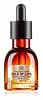 Key Ingredients
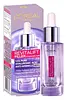
Benefits
Concerns
Ingredients Side-by-side
Caprylic/Capric Triglyceride
Masking


Olea Europaea Fruit Oil
Masking


Simmondsia Chinensis Seed Oil
Emollient
Camelina Sativa Seed Oil
Skin Conditioning
Rosa Canina Fruit Oil
Emollient
Camellia Oleifera Seed Oil
Skin Conditioning
Nigella Sativa Seed Oil
Emollient
Parfum
Masking


Tocopherol
Antioxidant





Pentaerythrityl Tetra-Di-T-Butyl Hydroxyhydrocinnamate
Antioxidant
Limonene
Perfuming

Linalool
Perfuming
Citronellol
Perfuming
Geraniol
Perfuming
Pelargonium Graveolens Flower Oil
Masking
Rosmarinus Officinalis Leaf Oil
Masking
Origanum Majorana Leaf Oil
Masking
Anthemis Nobilis Flower Oil
Masking
Coumarin
Perfuming
Lavandula Angustifolia Oil
Masking
Lavandula Hybrida Oil
Emollient
Citral
Perfuming
Citrus Aurantium Dulcis Peel Oil
Masking
Caprylic/Capric Triglyceride, Olea Europaea Fruit Oil, Simmondsia Chinensis Seed Oil, Camelina Sativa Seed Oil, Rosa Canina Fruit Oil, Camellia Oleifera Seed Oil, Nigella Sativa Seed Oil, Parfum, Tocopherol, Pentaerythrityl Tetra-Di-T-Butyl Hydroxyhydrocinnamate, Limonene, Linalool, Citronellol, Geraniol, Pelargonium Graveolens Flower Oil, Rosmarinus Officinalis Leaf Oil, Origanum Majorana Leaf Oil, Anthemis Nobilis Flower Oil, Coumarin, Lavandula Angustifolia Oil, Lavandula Hybrida Oil, Citral, Citrus Aurantium Dulcis Peel Oil
Water
Skin ConditioningGlycerin
Humectant
Hydroxyethylpiperazine Ethane Sulfonic Acid
BufferingSodium Hyaluronate
Humectant
Dipeptide Diaminobutyroyl Benzylamide Diacetate
Skin Conditioning
Disodium EDTA
Secale Cereale Seed Extract
Abrasive
Ascorbyl Glucoside
Antioxidant
Calcium Pantothenate
PEG-60 Hydrogenated Castor Oil
Emulsifying
Pentylene Glycol
Skin Conditioning
Benzyl Alcohol
Perfuming

Benzyl Benzoate
Antimicrobial
Benzyl Salicylate
Perfuming
Citronellol
Perfuming
Linalool
Perfuming
Chlorphenesin
Antimicrobial
Phenoxyethanol
Preservative
Parfum
Masking
Water, Glycerin, Hydroxyethylpiperazine Ethane Sulfonic Acid, Sodium Hyaluronate, Dipeptide Diaminobutyroyl Benzylamide Diacetate, Disodium EDTA, Secale Cereale Seed Extract, Ascorbyl Glucoside, Calcium Pantothenate, PEG-60 Hydrogenated Castor Oil, Pentylene Glycol, Benzyl Alcohol, Benzyl Benzoate, Benzyl Salicylate, Citronellol, Linalool, Chlorphenesin, Phenoxyethanol, Parfum
Reviews
Ingredients Explained
These ingredients are found in both products.
Ingredients higher up in an ingredient list are typically present in a larger amount.
Citronellol is used to add fragrance/parfum to a product. It is often derived from plants such as roses. In fact, it can be found in many essential oils including geranium, lavender, neroli, and more. The scent of Citronellol is often described as "fresh, grassy, and citrus-like".
Since the Citronellol molecule is already unstable, Citronellol becomes irritating on the skin when exposed to air.
Citronellol is a modified terpene. Terpenes are unsaturated hydrocarbons found in plants. They make up the primary part of essential oils.
Citronellol is not able to be absorbed into deeper layers of the skin. It has low permeability,
Citronellol is also a natural insect repellent.
Learn more about CitronellolLinalool is a fragrance and helps add scent to products. It's derived from common plants such as cinnamon, mint, citrus, and lavender.
Like Limonene, this ingredient oxidizes when exposed to air. Oxidized linalool can cause allergies and skin sensitivity.
This ingredient has a scent that is floral, spicy tropical, and citrus-like.
Learn more about LinaloolParfum is a catch-all term for an ingredient or more that is used to give a scent to products.
Also called "fragrance", this ingredient can be a blend of hundreds of chemicals or plant oils. This means every product with "fragrance" or "parfum" in the ingredients list is a different mixture.
For instance, Habanolide is a proprietary trade name for a specific aroma chemical. When used as a fragrance ingredient in cosmetics, most aroma chemicals fall under the broad labeling category of “FRAGRANCE” or “PARFUM” according to EU and US regulations.
The term 'parfum' or 'fragrance' is not regulated in many countries. In many cases, it is up to the brand to define this term.
For instance, many brands choose to label themselves as "fragrance-free" because they are not using synthetic fragrances. However, their products may still contain ingredients such as essential oils that are considered a fragrance by INCI standards.
One example is Calendula flower extract. Calendula is an essential oil that still imparts a scent or 'fragrance'.
Depending on the blend, the ingredients in the mixture can cause allergies and sensitivities on the skin. Some ingredients that are known EU allergens include linalool and citronellol.
Parfum can also be used to mask or cover an unpleasant scent.
The bottom line is: not all fragrances/parfum/ingredients are created equally. If you are worried about fragrances, we recommend taking a closer look at an ingredient. And of course, we always recommend speaking with a professional.
Learn more about Parfum
