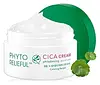
This calming moisturizer is formulated around Centella Asiatica Extract and Panthenol to calm redness and strengthen the skin barrier.
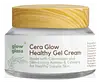
This barrier-repair moisturizer is formulated around Rosa Damascena Flower Water and Glycyrrhiza Glabra Root Extract to strengthen the skin barrier and hydrate skin.


What's inside
What's inside
 Key Ingredients
Benefits
Concerns
No concerns
Ingredients Side-by-side
Water
Skin ConditioningCentella Asiatica Extract
Cleansing





Dicaprylyl Ether
Emollient
Panthenol
Skin Conditioning
Glycerin
Humectant
1,2-Hexanediol
Skin Conditioning
Solanum Melongena Fruit Extract
Skin ConditioningLonicera Japonica Flower Extract
Skin ConditioningForsythia Suspensa Fruit Extract
Antioxidant
Angelica Gigas Root Extract
Skin ConditioningCnidium Officinale Root Extract
Skin ConditioningGardenia Jasminoides Fruit Extract
Cosmetic ColorantCoptis Japonica Root Extract
Skin ConditioningGlycyrrhiza Uralensis Root Extract
Skin Conditioning
Laminaria Japonica Extract
Skin Protecting
Eclipta Prostrata Leaf Extract
Skin ConditioningFicus Carica Fruit Extract
Humectant
Houttuynia Cordata Extract
Skin Conditioning
Hydrogenated Lecithin
Emulsifying
Ammonium Acryloyldimethyltaurate/Vp Copolymer
Hexyldecyl Laurate
EmollientHexyldecanol
Emollient
Carbomer
Emulsion StabilisingTromethamine
BufferingPolyquaternium-51
Skin Conditioning
Fructooligosaccharides
Humectant
Xanthan Gum
EmulsifyingBeta-Glucan
Skin Conditioning
Hydrolyzed Hyaluronic Acid
Humectant
Ceramide NP
Skin Conditioning
Hydroxyacetophenone
Antioxidant
Ethylhexylglycerin
Skin ConditioningWater, Centella Asiatica Extract, Dicaprylyl Ether, Panthenol, Glycerin, 1,2-Hexanediol, Solanum Melongena Fruit Extract, Lonicera Japonica Flower Extract, Forsythia Suspensa Fruit Extract, Angelica Gigas Root Extract, Cnidium Officinale Root Extract, Gardenia Jasminoides Fruit Extract, Coptis Japonica Root Extract, Glycyrrhiza Uralensis Root Extract, Laminaria Japonica Extract, Eclipta Prostrata Leaf Extract, Ficus Carica Fruit Extract, Houttuynia Cordata Extract, Hydrogenated Lecithin, Ammonium Acryloyldimethyltaurate/Vp Copolymer, Hexyldecyl Laurate, Hexyldecanol, Carbomer, Tromethamine, Polyquaternium-51, Fructooligosaccharides, Xanthan Gum, Beta-Glucan, Hydrolyzed Hyaluronic Acid, Ceramide NP, Hydroxyacetophenone, Ethylhexylglycerin
Water
Skin ConditioningRosa Damascena Flower Water
Masking
Cyclopentasiloxane
Emollient
Propanediol
Solvent
Glycerin
Humectant
Dimethicone
Emollient
Ammonium Acryloyldimethyltaurate/Vp Copolymer
Deoxyphytantriyl Palmitamide Mea
Skin ConditioningCaprylic/Capric Triglyceride
Masking
Glycyrrhiza Glabra Root Extract
Bleaching

Helianthus Annuus Seed Oil
Emollient


Oryza Sativa Bran Oil
Emollient
Niacinamide
Smoothing



Ceramide NP
Skin Conditioning
Cholesterol
Emollient
Hydrogenated Lecithin
Emulsifying
Allantoin
Skin Conditioning
Phenoxyethanol
Preservative
Ethylhexylglycerin
Skin ConditioningEDTA
ChelatingCitric Acid
Buffering
Water, Rosa Damascena Flower Water, Cyclopentasiloxane, Propanediol, Glycerin, Dimethicone, Ammonium Acryloyldimethyltaurate/Vp Copolymer, Deoxyphytantriyl Palmitamide Mea, Caprylic/Capric Triglyceride, Glycyrrhiza Glabra Root Extract, Helianthus Annuus Seed Oil, Oryza Sativa Bran Oil, Niacinamide, Ceramide NP, Cholesterol, Hydrogenated Lecithin, Allantoin, Phenoxyethanol, Ethylhexylglycerin, EDTA, Citric Acid
Reviews
Ingredients Explained
These ingredients are found in both products.
Ingredients higher up in an ingredient list are typically present in a larger amount.
Ammonium Acryloyldimethyltaurate/Vp Copolymer is a synthetically created polymer. It's used as a film-forming agent and used to thicken the consistency of products.
Think of it as a supportive ingredient that helps your gel-creams feel silky, "cloud cream-like", and spread evenly without being greasy.
The Cosmetic Ingredient Review (CIR) Expert Panel evaluated it (along with 22 other acryloyldimethyltaurate polymers) and concluded it's:
Due to its large molecular size, it sits on the surface of skin rather than penetrating it.
Learn more about Ammonium Acryloyldimethyltaurate/Vp CopolymerCeramide NP (formerly known as Ceramide 3) is one of the skin's naturally occurring lipids.
Since ceramides are the major lipid components of the skin, they are crucial for maintaining skin barrier and hydration. Ceramide NP most closely mirrors the dominant kind in human skin amongst ceramide subtypes.
This ceramide works by slotting into gaps within the stratum corneum's lipid matrix to limit trans-epidermal water loss (TEWL) and shield the skin against external irritants.
A study with 312 patients found that using a ceramide-containing routine for 4 weeks reduced the severity of atopic dermatitis by over 61%.
Another clinical study in subjects aged 60 and older found that a ceramide body wash and moisturizer improved skin dryness and itchy skin in 15 days.
Overall, ceramides are considered non-irritating and safety tests have found little to no observable adverse effects from using this ingredient.
Ceramide NP is usually sourced from plants (like soybean or rice bran), or produced synthetically.
Learn more about Ceramide NPEthylhexylglycerin is created from glycerin. It is a multitasker ingredient that:
The CIR Expert Panel found minimal skin absorption or sensitization of any kind in a safety assessment. Though this ingredient is considered well-tolerated, a small number of cases of allergic dermatitis have been published since 2002. Just be sure to patch test if you are unsure.
Industry-reported use ranges from 8% in rinse-off products and 2% in leave-on formulations.
Learn more about EthylhexylglycerinGlycerin (or glycerol) is a compound naturally found in your skin. It's a powerhouse humectant that pulls water into the stratum corneum.
Topically, glycerin does several things at once:
Your skin makes glycerin on its own (mostly from sebaceous oil breakdown) and shuttles it to your outermost layer of skin, or your epidermis, via aquaporin-3.
Aquaporin-3 is a transporter that is essential for normal skin hydration, elasticity, and repair. Interestingly, mice lacking in AQP3 have dry and less elastic skin that can be fully corrected with glycerin.
This ingredient is non-irritating, plays well with almost every ingredient, and works across all skin types. Typical use is anywhere between 3-10% but can go up to 79% in some leave-on products.
Just know very high concentrations (>40%) can feel tacky in low humidity.
Glycerin is the name for this ingredient in American English. British English uses Glycerol/Glycerine.
Learn more about GlycerinHydrogenated Lecithin is a more stable version of lecithin.
It's made by taking lecithin (a phospholipid commonly found in soybeans and egg yolks) and hydrogenating it. This just means the unsaturated fatty acids are turned into saturated ones so they don't go bad as easily.
This ingredient is an emollient, emulsifier, and penetration enhancer. As an emollient, it helps soften and hydrate skin by trapping moisture within. As an emulsifier, it prevents oil and water ingredients from separating.
Hydrogenated Lecithin can form tiny spherical structures made of phospholipid bilayers called liposomes. These liposomes are able to capture compounds inside their structure and deliver them through the skin barrier.
Because phospholipids are a natural component of our cell membranes, this ingredient is inherently compatible with skin.
A 2021 study found lecithin-based surfactants were less harsh and more tolerable comared to Sodium Lauryl Sulfate (SLS).
Learn more about Hydrogenated LecithinWater. It's the most common cosmetic ingredient of all. You'll usually see it at the top of ingredient lists, meaning that it makes up the largest part of the product.
So why is it so popular? Water most often acts as a solvent - this means that it helps dissolve other ingredients into the formulation.
You'll also recognize water as that liquid we all need to stay alive. If you see this, drink a glass of water. Remember to stay hydrated!
Learn more about Water

