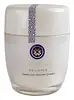
This smoothing exfoliator is formulated around Papain and Oryza Sativa Bran to refine skin texture.
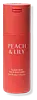
This smoothing exfoliator is formulated around Papain and Salicylic Acid to refine skin texture and refine the look of pores.


What's inside
What's inside
 Key Ingredients
Benefits
Concerns
Ingredients Side-by-side
Microcrystalline Cellulose
AbsorbentOryza Sativa Powder
Sodium Lauryl Phosphate
EmulsifyingSodium Palmoyl Glutamate
CleansingSodium Lauroyl Glutamate
SurfactantLauryl Betaine
CleansingSodium Lauroyl Methylaminopropionate
CleansingCamellia Sinensis Leaf
Perfuming




Papain
Skin Conditioning
Oryza Sativa Bran
Abrasive
Sericin
Skin ConditioningHydrolyzed Silk
Humectant
Propanediol
Solvent
Dextrin
AbsorbentPhytosteryl/Octyldodecyl Lauroyl Glutamate
Skin ConditioningEthylhexylglycerin
Skin ConditioningTocopherol
Antioxidant



Propyl Alcohol
Solvent
Alcohol
Antimicrobial



Phenoxyethanol
Preservative
Microcrystalline Cellulose, Oryza Sativa Powder, Sodium Lauryl Phosphate, Sodium Palmoyl Glutamate, Sodium Lauroyl Glutamate, Lauryl Betaine, Sodium Lauroyl Methylaminopropionate, Camellia Sinensis Leaf, Papain, Oryza Sativa Bran, Sericin, Hydrolyzed Silk, Propanediol, Dextrin, Phytosteryl/Octyldodecyl Lauroyl Glutamate, Ethylhexylglycerin, Tocopherol, Propyl Alcohol, Alcohol, Phenoxyethanol
Zea Mays Starch
Absorbent
Microcrystalline Cellulose
AbsorbentSodium Cocoyl Isethionate
Cleansing
Sodium Lauroyl Glutamate
SurfactantDiglycerin
Humectant
Oryza Sativa Bran Extract
Skin Conditioning
Aspergillus/Rice Ferment Filtrate
Skin ConditioningPapain
Skin Conditioning
Prunus Mume Fruit Extract
Humectant
Vitis Vinifera Fruit Extract
Skin ConditioningCarica Papaya Fruit Extract
Skin ConditioningPyrus Malus Fruit Extract
Skin Conditioning
Salicylic Acid
Masking

Camellia Sinensis Leaf Extract
Antimicrobial
Glycerin
Humectant
Angelica Acutiloba Root Extract
Skin ConditioningAllantoin
Skin Conditioning
Vigna Radiata Seed Extract
Skin ConditioningMoringa Oleifera Seed Extract
Skin Conditioning
Panax Ginseng Root Extract
Emollient
Maltodextrin
Absorbent
Water
Skin ConditioningButylene Glycol
Humectant
1,2-Hexanediol
Skin Conditioning
Ethylhexylglycerin
Skin ConditioningCaprylyl Glycol
Emollient
Zea Mays Starch, Microcrystalline Cellulose, Sodium Cocoyl Isethionate, Sodium Lauroyl Glutamate, Diglycerin, Oryza Sativa Bran Extract, Aspergillus/Rice Ferment Filtrate, Papain, Prunus Mume Fruit Extract, Vitis Vinifera Fruit Extract, Carica Papaya Fruit Extract, Pyrus Malus Fruit Extract, Salicylic Acid, Camellia Sinensis Leaf Extract, Glycerin, Angelica Acutiloba Root Extract, Allantoin, Vigna Radiata Seed Extract, Moringa Oleifera Seed Extract, Panax Ginseng Root Extract, Maltodextrin, Water, Butylene Glycol, 1,2-Hexanediol, Ethylhexylglycerin, Caprylyl Glycol
Reviews
Ingredients Explained
These ingredients are found in both products.
Ingredients higher up in an ingredient list are typically present in a larger amount.
Ethylhexylglycerin is created from glycerin. It is a multitasker ingredient that:
The CIR Expert Panel found minimal skin absorption or sensitization of any kind in a safety assessment. Though this ingredient is considered well-tolerated, a small number of cases of allergic dermatitis have been published since 2002. Just be sure to patch test if you are unsure.
Industry-reported use ranges from 8% in rinse-off products and 2% in leave-on formulations.
Learn more about EthylhexylglycerinMicrocrystalline Cellulose is another name for refined wood pulp. It is used as an emulsifier and mattifying ingredient. As an emulsifier, it helps keep ingredients together.
Papain is a proteolytic enzyme extracted from unripe papaya fruit. It is a gentle exfoliator that helps remove the dead skin cells from your outermost layer of skin.
Basically, papain works by dissolving the "glue" holding dead skin cells to your skin's surface. This also promotes cell turnover and smooths texture.
Unlike other exfoliants, papain can work without causing significant irritation.
Beyond exfoliation, its proteolytic action also helps soothe irritated skin and supports the healing of minor wounds.
A 2024 in vivo/in vitro study confirmed its potential to suppress skin inflammation and improve transepidermal water loss (TEWL) in atopic dermatitis models.
Just one thing worth noting: there are reports of allergic responses in individuals with a papaya or latex sensitivity. Be sure to patch test if you're in this camp.
Learn more about PapainSodium Lauroyl Glutamate is an amino-acid based mild surfactant that is used in formulas as a primary or secondary cleansing agent. This means it helps lift away oil, dirt, and makeup.
You'll see this ingredient in facial cleansers, shampoos, and even toothpaste because it foams reasonably well while being much gentler than harsher surfactants like SLS.
A study comparing surfactant mixtures found that Sodium Lauroyl Glutamate caused visibly less disruption to skin lipid structure and less irritation than SLS when tested on human subjects; this correlated with the data from in vivo results as well.
The Tenside, Surfactants, Detergents cosmetics industry journal has also concluded that amino acid based surfactants are generally milder than their corresponding alkyl sulfate counterparts. They also stated glutamates in particular are considered one of the gentler options in the category.
The Cosmetic Ingredient Review (CIR) Expert Panel has reviewed dermal irritation and sensitization data for this ingredient at the highest reported use concentration and concluded it to be safe in present practices.
Typical use concentrations tend to run low (generally less than 10%) though the CIR's review noted the highest reported use concentration was 40% as a raw material blend (and not a diluted finished cosmetic product).
Learn more about Sodium Lauroyl Glutamate

