

What's inside
What's inside
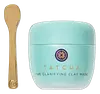 Key Ingredients
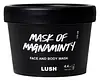
Benefits
Concerns
Ingredients Side-by-side
Glycerin
Humectant


Butylene Glycol
Humectant
Kaolin
Abrasive



Illite
Abrasive
Propanediol
Solvent
Bentonite
Absorbent
Water
Skin ConditioningGlucomannan
Skin ConditioningGlyceryl Stearate Se
Emulsifying




Hydroxyapatite
Abrasive
Behenyl Alcohol
Emollient
Maris Sal
Skin ConditioningStearyl Alcohol
Emollient
Parfum
Masking


Saccharomyces/Rice Ferment Filtrate
Skin Conditioning
Camellia Sinensis Leaf Extract
Antimicrobial



Cladosiphon Okamuranus Extract
Skin ConditioningDipotassium Glycyrrhizate
Humectant
Niacinamide
Smoothing


Volcanic Soil
Skin Conditioning
Quillaja Saponaria Bark Extract
CleansingSapindus Mukorossi Peel Extract
Skin ConditioningRosa Multiflora Fruit Extract
MaskingBelamcanda Chinensis Root Extract
Skin ConditioningEriobotrya Japonica Leaf Extract
Skin ConditioningHouttuynia Cordata Extract
Skin Conditioning
Tocopherol
Antioxidant
Cellulose Acetate
Lauryl Glucoside
CleansingCapryloyl Glycine
CleansingPropylene Glycol Stearate
Skin Conditioning
Magnesium Stearate
Cosmetic ColorantAcrylates/Ammonium Methacrylate Copolymer
Alcohol
Antimicrobial

Ethylhexylglycerin
Skin ConditioningPhenoxyethanol
Preservative
Citral
Perfuming
Limonene
Perfuming
Linalool
Perfuming
CI 77891
Cosmetic ColorantCI 77491
Cosmetic ColorantGlycerin, Butylene Glycol, Kaolin, Illite, Propanediol, Bentonite, Water, Glucomannan, Glyceryl Stearate Se, Hydroxyapatite, Behenyl Alcohol, Maris Sal, Stearyl Alcohol, Parfum, Saccharomyces/Rice Ferment Filtrate, Camellia Sinensis Leaf Extract, Cladosiphon Okamuranus Extract, Dipotassium Glycyrrhizate, Niacinamide, Volcanic Soil, Quillaja Saponaria Bark Extract, Sapindus Mukorossi Peel Extract, Rosa Multiflora Fruit Extract, Belamcanda Chinensis Root Extract, Eriobotrya Japonica Leaf Extract, Houttuynia Cordata Extract, Tocopherol, Cellulose Acetate, Lauryl Glucoside, Capryloyl Glycine, Propylene Glycol Stearate, Magnesium Stearate, Acrylates/Ammonium Methacrylate Copolymer, Alcohol, Ethylhexylglycerin, Phenoxyethanol, Citral, Limonene, Linalool, CI 77891, CI 77491



Reviews
Ingredients Explained
These ingredients are found in both products.
Ingredients higher up in an ingredient list are typically present in a larger amount.
Glycerin (or glycerol) is a compound naturally found in your skin. It's a powerhouse humectant that pulls water into the stratum corneum.
Topically, glycerin does several things at once:
Your skin makes glycerin on its own (mostly from sebaceous oil breakdown) and shuttles it to your outermost layer of skin, or your epidermis, via aquaporin-3.
Aquaporin-3 is a transporter that is essential for normal skin hydration, elasticity, and repair. Interestingly, mice lacking in AQP3 have dry and less elastic skin that can be fully corrected with glycerin.
This ingredient is non-irritating, plays well with almost every ingredient, and works across all skin types. Typical use is anywhere between 3-10% but can go up to 79% in some leave-on products.
Just know very high concentrations (>40%) can feel tacky in low humidity.
Glycerin is the name for this ingredient in American English. British English uses Glycerol/Glycerine.
Learn more about GlycerinKaolin is a clay. It is used for oil control and to help minimize pores. Like other clays, kaolin has the ability to absorb excess sebum or oil. This can help clean out pores and mattify the skin.
Some types of kaolin may have exfoliating properties. When water is added to kaolin, it becomes a paste with small abrasive particles.
Most kaolin is a white color, but may be pink/orange/red depending on where it comes from.
The name 'kaolin' comes from a Chinese village named 'Gaoling'. Kaolin clay comes from rocks rich in kaolinite. Kaolinite, the mineral, has a silicate layered structure. Kaolinite is formed from chemical weathering of aluminum siilicate minerals.
Besides skincare, kaolin is commonly used to make glossy paper, in ceramics, toothpaste, and as medicine to soothe stomach issues.
Learn more about KaolinLimonene is a fragrance that adds scent and taste to a formulation.
It's found in the peel oil of citrus fruits and other plants such as lavender and eucalyptus. The scent of limonene is generally described as "sweet citrus".
Limonene acts as an antioxidant, meaning it helps neutralize free radicals.
When exposed to air, oxidized limonene may sensitize the skin. Because of this, limonene is often avoided by people with sensitive skin.
The term 'fragrance' is not regulated in many countries. In many cases, it is up to the brand to define this term. For instance, many brands choose to label themselves as "fragrance-free" because they are not using synthetic fragrances. However, their products may still contain ingredients such as essential oils that are considered a fragrance.
Learn more about LimoneneParfum is a catch-all term for an ingredient or more that is used to give a scent to products.
Also called "fragrance", this ingredient can be a blend of hundreds of chemicals or plant oils. This means every product with "fragrance" or "parfum" in the ingredients list is a different mixture.
For instance, Habanolide is a proprietary trade name for a specific aroma chemical. When used as a fragrance ingredient in cosmetics, most aroma chemicals fall under the broad labeling category of “FRAGRANCE” or “PARFUM” according to EU and US regulations.
The term 'parfum' or 'fragrance' is not regulated in many countries. In many cases, it is up to the brand to define this term.
For instance, many brands choose to label themselves as "fragrance-free" because they are not using synthetic fragrances. However, their products may still contain ingredients such as essential oils that are considered a fragrance by INCI standards.
One example is Calendula flower extract. Calendula is an essential oil that still imparts a scent or 'fragrance'.
Depending on the blend, the ingredients in the mixture can cause allergies and sensitivities on the skin. Some ingredients that are known EU allergens include linalool and citronellol.
Parfum can also be used to mask or cover an unpleasant scent.
The bottom line is: not all fragrances/parfum/ingredients are created equally. If you are worried about fragrances, we recommend taking a closer look at an ingredient. And of course, we always recommend speaking with a professional.
Learn more about Parfum

