This mild gel cleanser is made to cleanse while calming and soothing your skin.
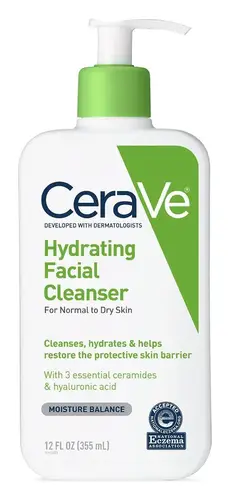
This mild cream cleanser is made to cleanse without leaving your skin tight or dry.

What's inside
What's inside
 Key Ingredients
Benefits
Concerns
Ingredients Side-by-side
Water
Skin ConditioningSodium PEG-7 Olive Oil Carboxylate
Emulsifying
Glycerin
Humectant


Sodium Lauroyl Methyl Isethionate
CleansingDecyl Glucoside
Cleansing
Centella Asiatica Extract
Cleansing



Calendula Officinalis Flower Extract
Masking
Cocamidopropyl Betaine
Cleansing


Sodium Methyl Oleoyl Taurate
CleansingSqualane
Emollient
Opuntia Ficus-Indica Stem Extract
Skin Conditioning
Lauryl Glucoside
CleansingCoco-Glucoside
Cleansing
Urea
Buffering
Saccharide Isomerate
Humectant
Cynanchum Atratum Extract
Skin ConditioningChamomilla Recutita Flower Extract
Masking
Phenoxyethanol
Preservative
Vaccinium Uliginosum Berry Extract
Skin ConditioningGanoderma Lucidum Extract
Skin Protecting
Citric Acid
Buffering

Prunus Persica Kernel Oil
Emollient
Sodium Hyaluronate
Humectant
Idebenonyl Retinoate
Antioxidant
Hydrolyzed Royal Jelly Protein
Skin ConditioningCeramide NP
Skin Conditioning
Ethylhexylglycerin
Skin ConditioningHydrogenated Lecithin
Emulsifying
Sodium Benzoate
Masking
Sucrose Stearate
EmollientPolyglyceryl-10 Stearate
Skin Conditioning
Potassium Sorbate
Preservative
Water, Sodium PEG-7 Olive Oil Carboxylate, Glycerin, Sodium Lauroyl Methyl Isethionate, Decyl Glucoside, Centella Asiatica Extract, Calendula Officinalis Flower Extract, Cocamidopropyl Betaine, Sodium Methyl Oleoyl Taurate, Squalane, Opuntia Ficus-Indica Stem Extract, Lauryl Glucoside, Coco-Glucoside, Urea, Saccharide Isomerate, Cynanchum Atratum Extract, Chamomilla Recutita Flower Extract, Phenoxyethanol, Vaccinium Uliginosum Berry Extract, Ganoderma Lucidum Extract, Citric Acid, Prunus Persica Kernel Oil, Sodium Hyaluronate, Idebenonyl Retinoate, Hydrolyzed Royal Jelly Protein, Ceramide NP, Ethylhexylglycerin, Hydrogenated Lecithin, Sodium Benzoate, Sucrose Stearate, Polyglyceryl-10 Stearate, Potassium Sorbate
Water
Skin ConditioningDecyl Glucoside
Cleansing
Cocamidopropyl Betaine
Cleansing
Coco-Glucoside
Cleansing
Glyceryl Oleate
Emollient
PEG-90 Glyceryl Isostearate
Cleansing
Laureth-2
CleansingImperata Cylindrica Root Extract
Skin ConditioningCocos Nucifera Oil
Masking

Olea Europaea Fruit Oil
Masking
Tocopheryl Acetate
Antioxidant
PEG-8 Caprylic/Capric Glycerides
EmulsifyingOctyldodeceth-25
CleansingSodium Hyaluronate
Humectant
Phenoxyethanol
Preservative
Triethylene Glycol
Masking
Butylene Glycol
Humectant
Prunus Yedoensis Leaf Extract
Skin ConditioningWater, Decyl Glucoside, Cocamidopropyl Betaine, Coco-Glucoside, Glyceryl Oleate, PEG-90 Glyceryl Isostearate, Laureth-2, Imperata Cylindrica Root Extract, Cocos Nucifera Oil, Olea Europaea Fruit Oil, Tocopheryl Acetate, PEG-8 Caprylic/Capric Glycerides, Octyldodeceth-25, Sodium Hyaluronate, Phenoxyethanol, Triethylene Glycol, Butylene Glycol, Prunus Yedoensis Leaf Extract
Ingredients Explained
These ingredients are found in both products.
Ingredients higher up in an ingredient list are typically present in a larger amount.
Cocamidopropyl Betaine is a fatty acid created by mixing similar compounds in coconut oil and dimethylaminopropylamine, a compound with two amino groups.
This ingredient is a surfactant and cleanser. It helps gather the dirt, pollutants, and other impurities in your skin to be washed away. It also helps thicken a product and make the texture more creamy.
Being created from coconut oil means Cocamidopropyl Betaine is hydrating for the skin.
While Cocamidopropyl Betaine was believed to be an allergen, a study from 2012 disproved this. It found two compounds in unpure Cocamidopropyl Betaine to be the irritants: aminoamide and 3-dimethylaminopropylamine. High-grade and pure Cocamidopropyl Betaine did not induce allergic reactions during this study.
Learn more about Cocamidopropyl BetaineCoco-Glucoside is a surfactant, or a cleansing ingredient. It is made from glucose and coconut oil.
Surfactants help gather dirt, oil, and other pollutants from your skin to be rinsed away.
This ingredient is considered gentle and non-comedogenic. However, it may still be irritating for some.
Learn more about Coco-GlucosideDecyl Glucoside is a plant-derived surfactant and emulsion stabilizer. It is created by reacting glucose with the fatty acids from plants.
Like all surfactants, it works by lowering the surface tension between water and oil. This makes it so that dirt, sebum, and makeup can be lifted off your skin and rinsed away. It also produces a dense and creamy foam.
Because it has a neutral charge, it is compatible with a wide range of ingredients and stays stable across a broad pH range/water hardiness conditions.
Patch testing has shown it to have the lowest irritation potential among common cleansing surfactants (like SLS).
Typical use levels range from 5-20% in rinse-off cleansers.
One thing worth knowing: The American Contact Dermatitis Society named the parent family, alkyl glucosides, "Allergen of the Year" in 2017. The prevalence of allergy is pretty low but be sure to patch test if you've reacted to "gentle" or sulfate-free cleansers before.
This ingredient is fungal acne safe because the fatty alcohol portion of this ingredient is not within the C11-24 chain length that Malassezia can metabolize.
Learn more about Decyl GlucosidePhenoxyethanol is one of the most widely used preservatives in skincare (and for good reason!).
It has a large spectrum of antimicrobial activity and especially effective bacteria, yeast, and mold while only having a weak effect on your skin's natural microbiome.
On a cellular level, it disrupts the cell membranes of microbes by poking holes that make the cell leak. This shuts down the chemical reactions the microbe needs to make energy so it can no longer survive.
Another perk of this ingredient is that it stays functional across a wide pH range (3-10).
You'll often see it paired with boosters like Ethylhexylglycerin; one study showed that a 1:9 ratio of Ethylhexylglycerin to Phenoxyethanol damages bacterial membranes as effectively as doubling the Phenoxyethanol concentration on its own.
Typical use concentrations range from 0.3-1% depending on the formula, and this ingredient is capped at 1% int the EU.
Safety-wise, the fear mongering does not hold up to the evidence. The EU's Scientific Committee on Consumer Safety and FDA consider it safe as a preservative at up to 1%, including for children of all ages.
Adverse systemic effects only showed up in animal studies at exposures roughly 200x higher than what people get from cosmetics. And despite its very widespread use, this ingredient is a rare sensitizer and allergic reactions are uncommon.
Learn more about PhenoxyethanolSodium Hyaluronate is the salt form of hyaluronic acid. It is a long sugar chain that is naturally found in your skin, joints, and connective tissue that maintains hydration and elasticity.
In skincare, it works as a humectant. It pulls water from the environment and deeper layers of skin and binds it to the surface.
Interestingly, the size of the molecule affects its behavior:
Some clinical evidence links low molecular weight versions to improved wrinkle depth, elasticity, anti-inflammatory effects, and barrier repair.
Many serums use a blend of both weights so you can get surface hydration plus longer-lasting and deeper effects.
You'll typically see concentrations between 0.1-2% for this ingredient.
Learn more about Sodium HyaluronateWater. It's the most common cosmetic ingredient of all. You'll usually see it at the top of ingredient lists, meaning that it makes up the largest part of the product.
So why is it so popular? Water most often acts as a solvent - this means that it helps dissolve other ingredients into the formulation.
You'll also recognize water as that liquid we all need to stay alive. If you see this, drink a glass of water. Remember to stay hydrated!
Learn more about Water