
What's inside
What's inside
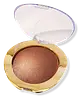 Key Ingredients
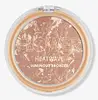
Benefits
Concerns
Ingredients Side-by-side
Talc
Abrasive
Mica
Cosmetic ColorantSynthetic Fluorphlogopite
Nylon-12


Dimethicone
Emollient

Isopropyl Palmitate
Emollient




Polysorbate 20
Emulsifying
Magnesium Aluminum Silicate
Absorbent
Lauroyl Lysine
Skin Conditioning
Caprylyl Glycol
Emollient
Sodium Dehydroacetate
Preservative
Phenoxyethanol
Preservative
Water
Skin ConditioningSimmondsia Chinensis Seed Oil
Emollient


Hexylene Glycol
EmulsifyingTocopheryl Acetate
Antioxidant


Octyldodecyl Stearoyl Stearate
Emollient
Sorbitan Stearate
Emulsifying
Acrylamide/Sodium Acryloyldimethyltaurate Copolymer
Emulsion StabilisingIsohexadecane
EmollientPolysorbate 80
Emulsifying
Kaolin
Abrasive

Polymethylsilsesquioxane
Calcium Aluminum Borosilicate
Alumina
Abrasive
Magnesium Oxide
AbsorbentSorbitan Oleate
Emulsifying
Silica
Abrasive
Tin Oxide
Abrasive
Diamond Powder
Abrasive
Titanium Dioxide
Cosmetic Colorant
Iron Oxides
CI 77288
Cosmetic ColorantCI 15850
Cosmetic ColorantTalc, Mica, Synthetic Fluorphlogopite, Nylon-12, Dimethicone, Isopropyl Palmitate, Polysorbate 20, Magnesium Aluminum Silicate, Lauroyl Lysine, Caprylyl Glycol, Sodium Dehydroacetate, Phenoxyethanol, Water, Simmondsia Chinensis Seed Oil, Hexylene Glycol, Tocopheryl Acetate, Octyldodecyl Stearoyl Stearate, Sorbitan Stearate, Acrylamide/Sodium Acryloyldimethyltaurate Copolymer, Isohexadecane, Polysorbate 80, Kaolin, Polymethylsilsesquioxane, Calcium Aluminum Borosilicate, Alumina, Magnesium Oxide, Sorbitan Oleate, Silica, Tin Oxide, Diamond Powder, Titanium Dioxide, Iron Oxides, CI 77288, CI 15850
Mica
Cosmetic ColorantBoron Nitride
Absorbent
Silica
Abrasive
Cetearyl Ethylhexanoate
Emollient
Glycerin
Humectant
Magnesium Stearate
Cosmetic ColorantOctyldodecyl Stearoyl Stearate
Emollient
Magnesium Aluminum Silicate
Absorbent
Squalane
Emollient
Sodium Dehydroacetate
Preservative
Caprylyl Glycol
Emollient
1,2-Hexanediol
Skin Conditioning
Disodium EDTA
ChelatingBHT
Antioxidant
Ethylhexylglycerin
Skin ConditioningTin Oxide
Abrasive
Calcium Sodium Borosilicate
Synthetic Fluorphlogopite
Calcium Aluminum Borosilicate
CI 77891
Cosmetic ColorantIron Oxides
CI 77007
Cosmetic ColorantMica, Boron Nitride, Silica, Cetearyl Ethylhexanoate, Glycerin, Magnesium Stearate, Octyldodecyl Stearoyl Stearate, Magnesium Aluminum Silicate, Squalane, Sodium Dehydroacetate, Caprylyl Glycol, 1,2-Hexanediol, Disodium EDTA, BHT, Ethylhexylglycerin, Tin Oxide, Calcium Sodium Borosilicate, Synthetic Fluorphlogopite, Calcium Aluminum Borosilicate, CI 77891, Iron Oxides, CI 77007
Ingredients Explained
These ingredients are found in both products.
Ingredients higher up in an ingredient list are typically present in a larger amount.
Calcium Aluminum Borosilicate is made up of calcium, aluminum, and silicates. It is a glass-like material. In cosmetics, it comes in the form of flakes or microspheres.
Calcium aluminum borosilicate is a bulking agent, meaning it helps thicken a product.
This ingredient is created by slowly mixing several minerals, including kaolin clay.
Although “aluminum” in an ingredient name can raise red flags for some consumers, the form and usage context matter significantly. For typical topical applications, there is no substantial evidence of health risks - such as cancer, neurotoxicity, or systemic “aluminum overload.”
Learn more about Calcium Aluminum BorosilicateCaprylyl Glycol is a humectant, skin conditioner, emollient, and preservative booster derived from either caprylic acid or synthetically created.
Typical use levels vary from 0.3-1% as a preservative booster and go up to 2% to condition skin.
Because it is not a free-fatty acid, this ingredient is fungal acne safe (there's nothing for Malassezia to feed on).
Learn more about Caprylyl GlycolMagnesium Aluminum Silicate is a type of silica. It comes from naturally occuring minerals such as silicate ores and clay.
Magnesium aluminum silicate is used for enhancing texture and as an absorbent. Due to its large molecular size, it is unable to be absorbed into the skin.
Like other types of silica, this ingredient can be used to thicken a product. As an absorbent, it may be used to absorb extra water or help prevent clumping.
Although “aluminum” in an ingredient name can raise red flags for some consumers, the form and usage context matter significantly. For typical topical applications, there is no substantial evidence of health risks - such as cancer, neurotoxicity, or systemic “aluminum overload.”
Learn more about Magnesium Aluminum SilicateMica is a naturally occurring mineral used to add shimmer and color in cosmetics. It can also help improve the texture of a product or give it an opaque, white/silver color.
Serecite is the name for very fine but ragged grains of mica.
This ingredient is often coated with metal oxides like titanium dioxide. Trace amounts of heavy metals may be found in mica, but these metals are not harmful in our personal products.
Mica has been used since prehistoric times throughout the world. Ancient Egyptian, Indian, Greek, Roman, Aztec, and Chinese civilizations have used mica.
Learn more about MicaOctyldodecyl Stearoyl Stearate is an emollient ester that mostly shows up in color cosmetics.
Functionally, it works as a skin-conditioning agent and a viscosity-increasing agent. This just means it helps soften skin while also thickening water-free formulas (like powders).
Despite being a "stearate", it has a lightweight, cushiony, and non-greasy slip.
This ingredient has shown no adverse effects in testing and is deemed safe in cosmetics at current use levels.
Typical concentrations range from 0.7-23%.
Because it is made of C-18 fatty acids (like stearic acid), this ingredient may not be fungal acne safe.
Learn more about Octyldodecyl Stearoyl StearateSilica, also known as silicon dioxide, is a naturally occurring mineral. It is used as a fine, spherical, and porous powder in cosmetics.
Though it has exfoliant properties, the function of silica varies depending on the product.
The unique structure of silica enhances the spreadability and adds smoothness, making it a great texture enhancer.
It is also used as an active carrier, emulsifier, and mattifier due to its ability to absorb excess oil.
In some products, tiny microneedles called spicules are made from silica or hydrolyzed sponge. When you rub them in, they lightly polish away dead skin layers and enhance the penetration of active ingredients.
Learn more about SilicaSodium Dehydroacetate is a synthetic preservative and sodium salt form of dehydroacetic acid. It stops bacteria, mold, and yeast from growing in your products at low concentrations.
Clinical testing found it to be non-irritating, non-sensitizing, and non-photosensitizing. It's also not significantly absorbed through skin.
There are a very small number of reported cases of contact dermatitis in cases linked to wound-care creams used over compromised skin (rather than skincare).
Overall, this is a well-studied and low-risk preservative just doing its job.
Typical concentrations run up to 0.6%, which is also the maximum amount permitted under both EU CosIng regulations and US FDA guidelines.
Learn more about Sodium DehydroacetateSynthetic Fluorphlogopite is the synthethic version of mica. It consists of fluorine, aluminum and silicate.
Synthetic Fluorphlogopite is used to add volume to products.
It is considered non-irritating on the skin.
Learn more about Synthetic FluorphlogopiteTin Oxide is an inorganic oxide used to add opacity and volume to a product. In nature, it is already found in mineral form. The main ore of tin is an opaque and shiny mineral called casseterite.
Tin Oxide helps remove translucency in a product, or make it more opaque. Besides adding opacity, tin oxide is used for bulking to add volume.
This ingredient is a combination of red, black, and yellow iron oxide pigments. This combination of colors is usually found in foundation, because it results in a "skin" color.
The EU typically uses CI numbers for colorants when applicable, such as CI 77489. In the US, iron oxides are regulated as color additives and "iron oxides" is the most commonly used name in US cosmetic practice.
A 2021 paper looked at skincare formulations containing iron oxides and found that they reduced transmission of blue light when measured optically. In simple terms, the pigment particles helped block or scatter part of the visible light spectrum in lab testing and the authors suggest this could translate into better protection against blue-light-related skin effects.
There is also clinical and experimental research showing that tinted products containing iron oxides can reduce visible light-induced pigmentation:
Please note, whether a product reduces visible or blue light depends on things like:
In the EU's CosIng database, iron oxides are only listed as a colorant. CosIng groups ingredients by their main cosmetic role, such as colorant, preservative, or UV filter.
Though studies say iron oxides can "attenuate blue light", they're describing an optical property and not an officially recognized cosmetic function.
So CosIng isn’t contradicting the research. It’s just classifying iron oxides by what they officially are: pigments that add color.
Learn more about Iron Oxides

