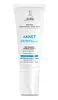
This acne treatment is formulated around Gluconolactone and Niacinamide to clear breakouts and balance excess oil.
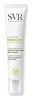
This acne moisturizer is formulated around Glycolic Acid and Zinc PCA to clear breakouts and balance excess oil.


What's inside
What's inside
 Key Ingredients
Benefits
Concerns
Ingredients Side-by-side
Water
Skin ConditioningGluconolactone
Chelating







Propanediol
Solvent

Silica
Abrasive
Dicaprylyl Ether
Emollient
Niacinamide
Smoothing



Sodium Hydroxide
BufferingDicaprylyl Carbonate
EmollientLauroyl Lysine
Skin Conditioning
Ammonium Acryloyldimethyltaurate/Vp Copolymer
Hydroxyethyl Acrylate/Sodium Acryloyldimethyl Taurate Copolymer
Emulsion StabilisingCetearyl Alcohol
Emollient






Salicylic Acid
Masking



Parfum
Masking

Ceteareth-33
CleansingPolysorbate 60
Emulsifying
Sorbitan Isostearate
Emulsifying
Tocopherol
Antioxidant

Water, Gluconolactone, Propanediol, Silica, Dicaprylyl Ether, Niacinamide, Sodium Hydroxide, Dicaprylyl Carbonate, Lauroyl Lysine, Ammonium Acryloyldimethyltaurate/Vp Copolymer, Hydroxyethyl Acrylate/Sodium Acryloyldimethyl Taurate Copolymer, Cetearyl Alcohol, Salicylic Acid, Parfum, Ceteareth-33, Polysorbate 60, Sorbitan Isostearate, Tocopherol
Water
Skin ConditioningGlycerin
Humectant
C12-13 Alkyl Lactate
EmollientPolyglyceryl-6 Stearate
Emollient
Dimethicone
Emollient
Butylene Glycol
Humectant
Cetearyl Alcohol
Emollient
Glycolic Acid
Buffering
Silica
Abrasive
Xanthan Gum
EmulsifyingZinc PCA
Humectant
Methyl Methacrylate Crosspolymer
Shikimic Acid
Skin ConditioningArginine
Masking
Hydroxyethyl Acrylate/Sodium Acryloyldimethyl Taurate Copolymer
Emulsion StabilisingGlycyrrhetinic Acid
Skin Conditioning
Hydrolyzed Psoralea Corylifolia Extract
Skin ConditioningCaprylyl Glycol
Emollient
Magnesium/Aluminum/Hydroxide/Carbonate
Azelaic Acid
Buffering
Xylitol
Humectant
Polyglyceryl-6 Behenate
Emulsion Stabilising
Squalane
Emollient
Chlorella Vulgaris Extract
Skin ConditioningPolysorbate 60
Emulsifying
Pentylene Glycol
Skin Conditioning
Algin
MaskingSerine
Masking
Caprylhydroxamic Acid
ChelatingAcacia Senegal Gum
MaskingMethyl Methacrylate
Trisodium Ethylenediamine Disuccinate
ChelatingWater, Glycerin, C12-13 Alkyl Lactate, Polyglyceryl-6 Stearate, Dimethicone, Butylene Glycol, Cetearyl Alcohol, Glycolic Acid, Silica, Xanthan Gum, Zinc PCA, Methyl Methacrylate Crosspolymer, Shikimic Acid, Arginine, Hydroxyethyl Acrylate/Sodium Acryloyldimethyl Taurate Copolymer, Glycyrrhetinic Acid, Hydrolyzed Psoralea Corylifolia Extract, Caprylyl Glycol, Magnesium/Aluminum/Hydroxide/Carbonate, Azelaic Acid, Xylitol, Polyglyceryl-6 Behenate, Squalane, Chlorella Vulgaris Extract, Polysorbate 60, Pentylene Glycol, Algin, Serine, Caprylhydroxamic Acid, Acacia Senegal Gum, Methyl Methacrylate, Trisodium Ethylenediamine Disuccinate
Reviews
Ingredients Explained
These ingredients are found in both products.
Ingredients higher up in an ingredient list are typically present in a larger amount.
Cetearyl alcohol is a waxy mixture of two fatty alcohols: cetyl alcohol and stearyl alcohol. It is an emollient and emulsifier.
Despite having "alcohol" in its name, it has nothing to do with drying solvent alcohols; the FDA also allows "alcohol-free" products to contain fatty alcohols like this ingredient.
It plays several roles in a formula:
Typical use levels for this ingredient sit around 1-10% and the Cosmetic Ingredient Review Expert Panel has affirmed safety at concentrations up to 25% in leave-on products.
Multiple assessments have found it to be non-irritating and non-sensitizing to most people.
However, there have been some cases of allergic contact dermatitis in patients with chronically compromised skin barriers.
Cetearyl alcohol has a comedogenic rating of 2 and irritancy rating of 1. Both of these numbers come from the 1989 study that used rabbit ears; a "2" means mildly comedogenic and a "1" means low irritancy.
Here's the catch: rabbit skin is more sensitive than human skin and throws a lot of false positives. A 1996 reappraisal found that ingredients rated 1-2 in the rabbit ear tests are generally safe for humans.
Remember comedogenic ratings are unable to assess the entire formula of a product or how it will react on your skin. Just be sure to patch test if you are unsure about certain ingredients.
This ingredient is not fungal acne safe. Cetearyl alcohol is a fatty alcohol with chain lengths that fall within the range that Malassezia can metabolize.
A 2019 study has also observed Malassezia growth in the presence of this ingredient, confirming it to be not-fungal acne safe.
Learn more about Cetearyl AlcoholThis is a synthetic polymer. It helps improve the texture of products by adding thickness and gel-like feel.
It is also an emulsifer, meaning it prevents ingredients such as oil and water from separating. It also helps evenly disperse other ingredients.
Polysorbate 60 is used to help stabilize products. It is a surfactant and emulsifier. These properties help keep ingredients together in a product. Surfactants help reduce surface tension between ingredients with different states, such as liquids and solids. Emulsifiers help prevent oils and waters from separating.
Polysorbate 60 is sorbitol-based and created from the ethoxylation of sorbitan. Ethoxylation is a chemical reaction used to add ethylene oxide. Sorbitan is a the dehydrated version of sorbitol, a sugar found in fruits.
In this case, the 60 comes from reacting 60 units of ethylene oxide with sorbitan.
Polysorbates are commonly used in medicine and foods.
Learn more about Polysorbate 60Silica, also known as silicon dioxide, is a naturally occurring mineral. It is used as a fine, spherical, and porous powder in cosmetics.
Though it has exfoliant properties, the function of silica varies depending on the product.
The unique structure of silica enhances the spreadability and adds smoothness, making it a great texture enhancer.
It is also used as an active carrier, emulsifier, and mattifier due to its ability to absorb excess oil.
In some products, tiny microneedles called spicules are made from silica or hydrolyzed sponge. When you rub them in, they lightly polish away dead skin layers and enhance the penetration of active ingredients.
Learn more about SilicaWater. It's the most common cosmetic ingredient of all. You'll usually see it at the top of ingredient lists, meaning that it makes up the largest part of the product.
So why is it so popular? Water most often acts as a solvent - this means that it helps dissolve other ingredients into the formulation.
You'll also recognize water as that liquid we all need to stay alive. If you see this, drink a glass of water. Remember to stay hydrated!
Learn more about Water

