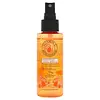
This brightening toner is formulated around Sodium Ascorbyl Phosphate and Lactic Acid to brighten dull-looking skin and refine skin texture.
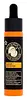
This brightening serum is formulated around Sodium Ascorbyl Phosphate to brighten dull-looking skin and fade the look of dark spots.

What's inside
What's inside
 Key Ingredients
Benefits
Concerns
Ingredients Side-by-side
Water
Skin ConditioningGlycerin
Humectant


Propylene Glycol
Humectant

PEG-40 Hydrogenated Castor Oil
Emulsifying

Trideceth-9
EmulsifyingPolysorbate 20
Emulsifying
Phenoxyethanol
Preservative
Parfum
Masking


Hamamelis Virginiana Water
Astringent
Ethylhexylglycerin
Skin Conditioning1-Methylhydantoin-2-Imide
Skin ConditioningSodium Ascorbyl Phosphate
Antioxidant






Tetrasodium Glutamate Diacetate
ChelatingLactic Acid
Buffering


Citrus Grandis Fruit Extract
Astringent
Lycium Barbarum Fruit Extract
Astringent
Sodium Hydroxide
BufferingPotassium Sorbate
Preservative
Sodium Benzoate
Masking
Terminalia Ferdinandiana Fruit Extract
Antioxidant
Water, Glycerin, Propylene Glycol, PEG-40 Hydrogenated Castor Oil, Trideceth-9, Polysorbate 20, Phenoxyethanol, Parfum, Hamamelis Virginiana Water, Ethylhexylglycerin, 1-Methylhydantoin-2-Imide, Sodium Ascorbyl Phosphate, Tetrasodium Glutamate Diacetate, Lactic Acid, Citrus Grandis Fruit Extract, Lycium Barbarum Fruit Extract, Sodium Hydroxide, Potassium Sorbate, Sodium Benzoate, Terminalia Ferdinandiana Fruit Extract
Water
Skin ConditioningGlycereth-26
Humectant
Propylene Glycol
Humectant
Polysorbate 60
Emulsifying
Dimethicone
Emollient
Sodium Ascorbyl Phosphate
Antioxidant
Butylene Glycol
Humectant
Phenoxyethanol
Preservative
Glycerin
Humectant
Caprylyl Glycol
Emollient
Carbomer
Emulsion StabilisingXanthan Gum
EmulsifyingParfum
Masking
Terminalia Ferdinandiana Fruit Extract
Antioxidant
Alcohol Denat.
Antimicrobial
Disodium EDTA
ChelatingPolyacrylamide
Sodium Hydroxide
BufferingLycium Barbarum Fruit Extract
Astringent
Benzophenone-4
UV Absorber
C13-14 Isoparaffin
Emollient
Laureth-7
EmulsifyingCitrus Grandis Fruit Extract
Astringent
Potassium Sorbate
Preservative
Sodium Benzoate
Masking
CI 15985
Cosmetic ColorantWater, Glycereth-26, Propylene Glycol, Polysorbate 60, Dimethicone, Sodium Ascorbyl Phosphate, Butylene Glycol, Phenoxyethanol, Glycerin, Caprylyl Glycol, Carbomer, Xanthan Gum, Parfum, Terminalia Ferdinandiana Fruit Extract, Alcohol Denat., Disodium EDTA, Polyacrylamide, Sodium Hydroxide, Lycium Barbarum Fruit Extract, Benzophenone-4, C13-14 Isoparaffin, Laureth-7, Citrus Grandis Fruit Extract, Potassium Sorbate, Sodium Benzoate, CI 15985
Ingredients Explained
These ingredients are found in both products.
Ingredients higher up in an ingredient list are typically present in a larger amount.
This ingredient is also known as grapefruit or citricidal extract. It has perfuming and astringent properties.
Astringents shrinks tissue by drawing water out of your skin. This leads to a temporary tightening effect in the skin.
Glycerin (or glycerol) is a compound naturally found in your skin. It's a powerhouse humectant that pulls water into the stratum corneum.
Topically, glycerin does several things at once:
Your skin makes glycerin on its own (mostly from sebaceous oil breakdown) and shuttles it to your outermost layer of skin, or your epidermis, via aquaporin-3.
Aquaporin-3 is a transporter that is essential for normal skin hydration, elasticity, and repair. Interestingly, mice lacking in AQP3 have dry and less elastic skin that can be fully corrected with glycerin.
This ingredient is non-irritating, plays well with almost every ingredient, and works across all skin types. Typical use is anywhere between 3-10% but can go up to 79% in some leave-on products.
Just know very high concentrations (>40%) can feel tacky in low humidity.
Glycerin is the name for this ingredient in American English. British English uses Glycerol/Glycerine.
Learn more about GlycerinLycium Barbarum Fruit Extract comes from the Goji Berry. Goji berries are native to China and can be found across Eurasia.
Goji berries contain polysaccharides, carotenoids and flavonoids. Antioxidants help your body fight off free-radical molecules. These molecules are unstable and may damage your skin. By making free-radicals more stable, antioxidants can help with anti-aging.
Polysaccharides help hydrate the top layer of skin due to its ability to mimic natural carbohydrates.
Learn more about Lycium Barbarum Fruit ExtractParfum is a catch-all term for an ingredient or more that is used to give a scent to products.
Also called "fragrance", this ingredient can be a blend of hundreds of chemicals or plant oils. This means every product with "fragrance" or "parfum" in the ingredients list is a different mixture.
For instance, Habanolide is a proprietary trade name for a specific aroma chemical. When used as a fragrance ingredient in cosmetics, most aroma chemicals fall under the broad labeling category of “FRAGRANCE” or “PARFUM” according to EU and US regulations.
The term 'parfum' or 'fragrance' is not regulated in many countries. In many cases, it is up to the brand to define this term.
For instance, many brands choose to label themselves as "fragrance-free" because they are not using synthetic fragrances. However, their products may still contain ingredients such as essential oils that are considered a fragrance by INCI standards.
One example is Calendula flower extract. Calendula is an essential oil that still imparts a scent or 'fragrance'.
Depending on the blend, the ingredients in the mixture can cause allergies and sensitivities on the skin. Some ingredients that are known EU allergens include linalool and citronellol.
Parfum can also be used to mask or cover an unpleasant scent.
The bottom line is: not all fragrances/parfum/ingredients are created equally. If you are worried about fragrances, we recommend taking a closer look at an ingredient. And of course, we always recommend speaking with a professional.
Learn more about ParfumPhenoxyethanol is one of the most widely used preservatives in skincare (and for good reason!).
It has a large spectrum of antimicrobial activity and especially effective bacteria, yeast, and mold while only having a weak effect on your skin's natural microbiome.
On a cellular level, it disrupts the cell membranes of microbes by poking holes that make the cell leak. This shuts down the chemical reactions the microbe needs to make energy so it can no longer survive.
Another perk of this ingredient is that it stays functional across a wide pH range (3-10).
You'll often see it paired with boosters like Ethylhexylglycerin; one study showed that a 1:9 ratio of Ethylhexylglycerin to Phenoxyethanol damages bacterial membranes as effectively as doubling the Phenoxyethanol concentration on its own.
Typical use concentrations range from 0.3-1% depending on the formula, and this ingredient is capped at 1% int the EU.
Safety-wise, the fear mongering does not hold up to the evidence. The EU's Scientific Committee on Consumer Safety and FDA consider it safe as a preservative at up to 1%, including for children of all ages.
Adverse systemic effects only showed up in animal studies at exposures roughly 200x higher than what people get from cosmetics. And despite its very widespread use, this ingredient is a rare sensitizer and allergic reactions are uncommon.
Learn more about PhenoxyethanolPotassium Sorbate is a preservative used to prevent yeast and mold in products. It is commonly found in both cosmetic and food products.
This ingredient comes from potassium salt derived from sorbic acid. Sorbic acid is a natural antibiotic and effective against fungus.
Both potassium sorbate and sorbic acid can be found in baked goods, cheeses, dried meats, dried fruit, ice cream, pickles, wine, yogurt, and more.
You'll often find this ingredient used with other preservatives.
Learn more about Potassium SorbatePropylene Glycol is a synthetic, colorless, odorless liquid that has been a staple in cosmetics for decades. It is a skin conditioning agent, humectant, and solvent.
As a humectant, it draw water to the skin to reduce flaking and restore suppleness. It's also a solvent that helps dissolve other actives and keeps formulas stable across temperature changes.
The CIR Expert Panel has confirmed this ingredient to be nontoxic and clinical studies show no sensitization at cosmetic use concentrations.
True allergic reactions are quite rare: a 15-year retrospective study of 6,751 patients found only 0.31% had a positive reaction (and less than half were considered clinically relevant).
It seemed that when sensitization does occur, it's most commonly linked to topical medication (like corticosteroids) and not cosmetics. Allergic contact dermatitis also appears largely limited to individuals with underlying skin conditions.
Overall, propylene glycol is a well-studied ingredient that most people can tolerate without issue.
Learn more about Propylene GlycolSodium Ascorbyl Phosphate (SAP) is a water-soluble form of Vitamin C. It is the salt of ascorbic acid.
This ingredient is commonly used in skincare because it's more formulation-stable while still offering the same benefits as pure ascorbic acid. Ascorbic acid is notorious for breaking down when exposed to sunlight and oxygen whereas SAP has been shown to be more stable.
Studies show SAP has anti-acne and antioxidant benefits. One study found 5% of SAP lotion to be an effective ingredient for treating acne vulgaris. This is because research shows that SAP may help control acne by reducing acne-causing bacteria and slowing the oxidation of skin oils caused by UV exposure.
In addition to acne, vitamin C is important for skin structure. Lab studies suggest SAP may support collagen production in skin cells, making it a great ingredient in anti-aging routines.
Vitamin C has many benefits: it helps reduce redness, improve skin texture, fade the appearance of dark spots, and brighten the skin.
Read more about other types of Vitamin C:
Learn more about Sodium Ascorbyl PhosphateSodium Benzoate is a preservative. It's used in both cosmetic and food products to inhibit the growth of mold and bacteria. It is typically produced synthetically.
Both the US FDA and EU Health Committee have approved the use of sodium benzoate. In the US, levels of 0.1% (of the total product) are allowed.
Sodium benzoate works as a preservative by inhibiting the growth of bacteria inside of cells. It prevents the cell from fermenting a type of sugar using an enzyme called phosphofructokinase.
It is the salt of benzoic acid. Foods containing sodium benzoate include soda, salad dressings, condiments, fruit juices, wines, and snack foods.
Studies for using ascorbic acid and sodium benzoate in cosmetics are lacking, especially in skincare routines with multiple steps.
We always recommend speaking with a professional, such as a dermatologist, if you have any concerns.
Learn more about Sodium BenzoateSodium Hydroxide is also known as lye or caustic soda. It is used to adjust the pH of products; many ingredients require a specific pH to be effective.
In small amounts, sodium hydroxide is considered safe to use. However, large amounts may cause chemical burns due to its high alkaline.
Your skin has a natural pH and acid mantle. This acid mantle helps prevent harmful bacteria from breaking through. The acid mantle also helps keep your skin hydrated.
"Alkaline" refers to a high pH level. A low pH level would be considered acidic.
Learn more about Sodium HydroxideTerminalia Ferdinandiana Fruit Extract is from the Kakadu plum. The Kakadu plum is native to northern Australia. The Kakadu plum holds the record for having the highest amount of natural vitamin C.
This ingredient is an antioxidant. Antioxidants help fight free-radical molecules. Free-radical molecules are capable of damaging our cells and other genetic material. Antioxidants help stabilize free-radicals and thus may reduce the signs of aging.
The high vitamin C content of Kakadu plum also helps lighten skin. Vitamin C has been shown to block the process of skin darkening that leads to hyperpigmentation.
Kakadu plums have been used by indigenous cultures as medicine to help treat colds and as an antiseptic.
Learn more about Terminalia Ferdinandiana Fruit ExtractWater. It's the most common cosmetic ingredient of all. You'll usually see it at the top of ingredient lists, meaning that it makes up the largest part of the product.
So why is it so popular? Water most often acts as a solvent - this means that it helps dissolve other ingredients into the formulation.
You'll also recognize water as that liquid we all need to stay alive. If you see this, drink a glass of water. Remember to stay hydrated!
Learn more about Water

