Some By Mi Lacto Soy Sebum & Blackhead Cleansing Oil Versus Some By Mi Lacto Soy Mild Peeling Bubble Cleanser
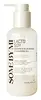
This oil-based makeup remover is made to dissolve makeup, sunscreen, and daily buildup.
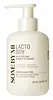
This mild foaming cleanser is made to cleanse while respecting your skin barrier.

What's inside
What's inside
 Key Ingredients
Benefits
Concerns
Ingredients Side-by-side
Silica
Abrasive


Butylene Glycol
Humectant

Acrylates Copolymer
Tocopherol
Antioxidant





Propanediol
Solvent
1,2-Hexanediol
Skin Conditioning
Simmondsia Chinensis Seed Oil
Emollient



Glycerin
Humectant
Argania Spinosa Kernel Oil
Emollient
Camellia Japonica Seed Oil
Emollient
Serine
Masking
Glutamic Acid
Humectant
Aspartic Acid
Masking
Glycine Soja Oil
Emollient


Ulmus Davidiana Root Extract
Skin Conditioning
Pueraria Lobata Root Extract
HumectantPinus Palustris Leaf Extract
TonicOenothera Biennis Flower Extract
AstringentPalmitoyl Tripeptide-5
Skin Conditioning

Ethylhexylglycerin
Skin ConditioningCocos Nucifera Oil
Masking

Palmitoyl Pentapeptide-4
Skin Conditioning
Silica, Butylene Glycol, Acrylates Copolymer, Tocopherol, Propanediol, 1,2-Hexanediol, Simmondsia Chinensis Seed Oil, Glycerin, Argania Spinosa Kernel Oil, Camellia Japonica Seed Oil, Serine, Glutamic Acid, Aspartic Acid, Glycine Soja Oil, Ulmus Davidiana Root Extract, Pueraria Lobata Root Extract, Pinus Palustris Leaf Extract, Oenothera Biennis Flower Extract, Palmitoyl Tripeptide-5, Ethylhexylglycerin, Cocos Nucifera Oil, Palmitoyl Pentapeptide-4
Water
Skin ConditioningTromethamine
BufferingButylene Glycol
Humectant
Polyquaternium-67
Ethylhexyl Palmitate
Emollient
Hexylene Glycol
EmulsifyingGlucose
Humectant
Xanthan Gum
EmulsifyingCetyl Ethylhexanoate
EmollientAcrylates/C10-30 Alkyl Acrylate Crosspolymer
Emulsion StabilisingPropanediol
Solvent
Polyglyceryl-10 Oleate
Skin Conditioning
1,2-Hexanediol
Skin Conditioning
Urea
Buffering
Saccharide Hydrolysate
HumectantHydrogenated Lecithin
Emulsifying
Sodium Acetate
BufferingCynanchum Atratum Extract
Skin ConditioningSerine
Masking
Glutamic Acid
Humectant
Aspartic Acid
Masking
Water, Tromethamine, Butylene Glycol, Polyquaternium-67, Ethylhexyl Palmitate, Hexylene Glycol, Glucose, Xanthan Gum, Cetyl Ethylhexanoate, Acrylates/C10-30 Alkyl Acrylate Crosspolymer, Propanediol, Polyglyceryl-10 Oleate, 1,2-Hexanediol, Urea, Saccharide Hydrolysate, Hydrogenated Lecithin, Sodium Acetate, Cynanchum Atratum Extract, Serine, Glutamic Acid, Aspartic Acid
Reviews
Ingredients Explained
These ingredients are found in both products.
Ingredients higher up in an ingredient list are typically present in a larger amount.
1,2-Hexanediol is a synthetic liquid and another multi-functional powerhouse.
It is a:
- Humectant, drawing moisture into the skin
- Emollient, helping to soften skin
- Solvent, dispersing and stabilizing formulas
- Preservative booster, enhancing the antimicrobial activity of other preservatives
Aspartic Acid is an amino acid that our bodies produce naturally. It is an antioxidant.
Our body uses Aspartic Acid to help build collagen and elastin. It also plays a role in hydrating skin.
Butylene Glycol (or BG) is used within cosmetic products for a few different reasons:
Overall, Butylene Glycol is a safe and well-rounded ingredient that works well with other ingredients.
Though this ingredient works well with most skin types, some people with sensitive skin may experience a reaction such as allergic rashes, closed comedones, or itchiness.
Learn more about Butylene GlycolGlutamic Acid is an amino acid that is found in all living organisms. Our bodies use this to help nerve cells in the brain communicate with other cells.
In cosmetics, glutamic acid is a famous humectant. It draws water from the air to your skin, keeping your skin hydrated (like hyaluronic acid).
An in-vitro study from 2024 found glutamic acid to play a role in inhibiting inflammation and thus a potential skin-soothing ingredient.
Other studies show it to be have potential wound healing, skin barrier repair, and hair growth properties.
Glutamic acid has poor solubility in water and other solvents.
Learn more about Glutamic AcidPropanediol is an all-star ingredient. It softens, hydrates, and smooths the skin.
It’s often used to:
Propanediol is not likely to cause sensitivity and considered safe to use. It is derived from corn or petroleum with a clear color and no scent.
Learn more about PropanediolSerine is a non-essential amino acid (your body makes it on its own!). It is a major player in your skin's natural moisturizing factor (NMF), or the water-loving molecules in your outermost layer of skin (stratum corneum) that keeps everything hydrated and happy.
Serine is one of your NMF's most abundant components that works as a skin-identical humectant. Its hydroxyl group grabs onto water molecules to boost hydration without any heaviness or occlusion.
Research on a hydrogel with serine confirmed this serine got delivered to your stratum corneum and demonstrated enhanced skin moisturization.
Interestingly serine also helps your skin produce filaggrin, a protein that keeps your skin barrier strong and used to create collagen.
Learn more about Serine

