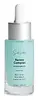
This hydrating serum is formulated around Aloe Barbadensis Leaf Juice and Sodium Hyaluronate to hydrate skin and calm redness.
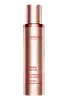
This anti-aging serum is formulated around Caffeine to soften the look of wrinkles.


What's inside
What's inside
 Key Ingredients
Benefits
Concerns
Ingredients Side-by-side
Aloe Barbadensis Leaf Juice
Skin Conditioning


Propanediol
Solvent
Glycerin
Humectant
Helianthus Annuus Seed Oil
Emollient


Sodium Hyaluronate
Humectant

Glyceryl Polyacrylate
Heptyl Glucoside
SurfactantWater
Skin ConditioningCucumis Sativus Fruit Water
Skin ConditioningChamomilla Recutita Flower Water
MaskingAllantoin
Skin Conditioning
Acrylates/C10-30 Alkyl Acrylate Crosspolymer
Emulsion StabilisingXanthan Gum
EmulsifyingTriethanolamine
BufferingEthylhexylglycerin
Skin ConditioningPotassium Sorbate
Preservative
Benzoic Acid
Masking
Disodium EDTA
ChelatingTanacetum Annuum Flower Oil
Masking
Aloe Barbadensis Leaf Juice, Propanediol, Glycerin, Helianthus Annuus Seed Oil, Sodium Hyaluronate, Glyceryl Polyacrylate, Heptyl Glucoside, Water, Cucumis Sativus Fruit Water, Chamomilla Recutita Flower Water, Allantoin, Acrylates/C10-30 Alkyl Acrylate Crosspolymer, Xanthan Gum, Triethanolamine, Ethylhexylglycerin, Potassium Sorbate, Benzoic Acid, Disodium EDTA, Tanacetum Annuum Flower Oil
Water
Skin ConditioningAlcohol
Antimicrobial


Caprylic/Capric Triglyceride
Masking
Glycerin
Humectant
Propanediol
Solvent
Butylene Glycol
Humectant
Dicaprylyl Carbonate
EmollientCaffeine
Skin Conditioning
Acrylates/C10-30 Alkyl Acrylate Crosspolymer
Emulsion StabilisingSodium Acrylates Copolymer
Parfum
Masking

Hydrogenated Polyisobutene
EmollientAvena Sativa Kernel Extract
Abrasive

Escin
TonicEthylhexylglycerin
Skin ConditioningSodium Hyaluronate
Humectant
Zingiber Zerumbet Extract
Skin ConditioningPhospholipids
Skin Conditioning
Sodium Hydroxide
BufferingPolyglyceryl-10 Stearate
Skin Conditioning
Helianthus Annuus Seed Oil
Emollient
Disodium EDTA
ChelatingSodium Benzoate
Masking
Agropyron Repens Root Extract
MaskingEthylene Brassylate
MaskingPaullinia Cupana Seed Extract
Skin ConditioningPotassium Sorbate
Preservative
Water, Alcohol, Caprylic/Capric Triglyceride, Glycerin, Propanediol, Butylene Glycol, Dicaprylyl Carbonate, Caffeine, Acrylates/C10-30 Alkyl Acrylate Crosspolymer, Sodium Acrylates Copolymer, Parfum, Hydrogenated Polyisobutene, Avena Sativa Kernel Extract, Escin, Ethylhexylglycerin, Sodium Hyaluronate, Zingiber Zerumbet Extract, Phospholipids, Sodium Hydroxide, Polyglyceryl-10 Stearate, Helianthus Annuus Seed Oil, Disodium EDTA, Sodium Benzoate, Agropyron Repens Root Extract, Ethylene Brassylate, Paullinia Cupana Seed Extract, Potassium Sorbate
Reviews
Ingredients Explained
These ingredients are found in both products.
Ingredients higher up in an ingredient list are typically present in a larger amount.
Acrylates/C10-30 Alkyl Acrylate Crosspolymer is a synthetic polymer. It is used to thicken, emulsify, and improve the texture of products.
As an emulsifier, it helps stabilize oil-in-water emulsions to give products an elegant feel when applied.
It can also form a thin protective film on skin. One study found that a formula using this polymer helped slow down how quickly other ingredients (like DEET) were absorbed through skin.
A 2024 study of over 1,300 patients confirmed that sensitization to this ingredient is rare. It is also non-mutagenic and has a clean track record.
Learn more about Acrylates/C10-30 Alkyl Acrylate CrosspolymerDisodium EDTA is a chelating agent. It grabs onto and deactivates metal ions that sneak into your products from water, packaging, or air.
This ingredient mainly works behind the scenes and helps with:
On top of that, this ingredient can counteract the effects of hard water by binding to the minerals in it.
One thing worth knowing is that Disodium EDTA has been shown to be a mild penetration enhancer. It can help other ingredients absorb into skin more effectively which can be a double-edged sword (great for actives, but can also make the active too strong if you have sensitive skin).
Clinical patch testing showed no significant skin irritation at typical use concentrations and minimal dermal absorption.
You'll most likely see this ingredient near the end of an ingredient list. It's typically found in concentrations less than 1%.
Learn more about Disodium EDTAEthylhexylglycerin is created from glycerin. It is a multitasker ingredient that:
The CIR Expert Panel found minimal skin absorption or sensitization of any kind in a safety assessment. Though this ingredient is considered well-tolerated, a small number of cases of allergic dermatitis have been published since 2002. Just be sure to patch test if you are unsure.
Industry-reported use ranges from 8% in rinse-off products and 2% in leave-on formulations.
Learn more about EthylhexylglycerinGlycerin (or glycerol) is a compound naturally found in your skin. It's a powerhouse humectant that pulls water into the stratum corneum.
Topically, glycerin does several things at once:
Your skin makes glycerin on its own (mostly from sebaceous oil breakdown) and shuttles it to your outermost layer of skin, or your epidermis, via aquaporin-3.
Aquaporin-3 is a transporter that is essential for normal skin hydration, elasticity, and repair. Interestingly, mice lacking in AQP3 have dry and less elastic skin that can be fully corrected with glycerin.
This ingredient is non-irritating, plays well with almost every ingredient, and works across all skin types. Typical use is anywhere between 3-10% but can go up to 79% in some leave-on products.
Just know very high concentrations (>40%) can feel tacky in low humidity.
Glycerin is the name for this ingredient in American English. British English uses Glycerol/Glycerine.
Learn more about GlycerinHelianthus Annuus Seed Oil is a plant oil derived from the seeds of a sunflower.
It is rich in fatty acids, primarily linoleic acid and oleic acid. This gives it emollient and skin conditioning properties.
The reason this ingredient is so effective is because it forms a thin film on the skin that reduces transepidermal water loss (TEWL) while supplying linoleic acid to the stratum corneum to improve barrier strength.
The high linoleic acid content is particularly noteworthy for acne-prone skin.
Research suggests that acne-prone skin tends to be deficient in linoleic acid in sebum. Topical application may help replenish this to support a healthier follicular environment and less comedone-promoting sebum.
One randomized study found sunflower seed oil preserved skin barrier integrity in adult volunteers with and without atopic dermatitis (outperforming olive oil).
This ingredient is well-studied, gentle, and an effective emollient suitable for most skin types.
On fungal acne: This ingredient may not be Fungal acne (Malassezia folliculitis) safe. This is because it contains fatty acids with carbon chain lengths in the C11-C24 range.
Learn more about Helianthus Annuus Seed OilPotassium Sorbate is a preservative used to prevent yeast and mold in products. It is commonly found in both cosmetic and food products.
This ingredient comes from potassium salt derived from sorbic acid. Sorbic acid is a natural antibiotic and effective against fungus.
Both potassium sorbate and sorbic acid can be found in baked goods, cheeses, dried meats, dried fruit, ice cream, pickles, wine, yogurt, and more.
You'll often find this ingredient used with other preservatives.
Learn more about Potassium SorbatePropanediol is an all-star ingredient. It softens, hydrates, and smooths the skin.
It’s often used to:
Propanediol is not likely to cause sensitivity and considered safe to use. It is derived from corn or petroleum with a clear color and no scent.
Learn more about PropanediolSodium Hyaluronate is the salt form of hyaluronic acid. It is a long sugar chain that is naturally found in your skin, joints, and connective tissue that maintains hydration and elasticity.
In skincare, it works as a humectant. It pulls water from the environment and deeper layers of skin and binds it to the surface.
Interestingly, the size of the molecule affects its behavior:
Some clinical evidence links low molecular weight versions to improved wrinkle depth, elasticity, anti-inflammatory effects, and barrier repair.
Many serums use a blend of both weights so you can get surface hydration plus longer-lasting and deeper effects.
You'll typically see concentrations between 0.1-2% for this ingredient.
Learn more about Sodium HyaluronateWater. It's the most common cosmetic ingredient of all. You'll usually see it at the top of ingredient lists, meaning that it makes up the largest part of the product.
So why is it so popular? Water most often acts as a solvent - this means that it helps dissolve other ingredients into the formulation.
You'll also recognize water as that liquid we all need to stay alive. If you see this, drink a glass of water. Remember to stay hydrated!
Learn more about Water

