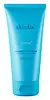
This mild cream cleanser is mild enough to cleanse without leaving skin feeling tight or stripped.
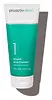
This sulfur cream cleanser is formulated around Sulfur to clear breakouts.


What's inside
What's inside
 Key Ingredients
No key ingredients
Benefits
Concerns
Ingredients Side-by-side
Water
Skin ConditioningSodium Cocoyl Isethionate
Cleansing
Coco-Glucoside
Cleansing
Kaolin
Abrasive



Coco-Betaine
Cleansing
Coconut Alcohol
Emollient


Hydrogenated Coconut Acid
Emollient
Stearyl Alcohol
Emollient
Maltooligosyl Glucoside
Skin ConditioningPropanediol
Solvent

Titanium Dioxide
Cosmetic Colorant

Betaine
Humectant
Behenyl Alcohol
Emollient
Simmondsia Chinensis Seed Oil
Emollient

Aloe Barbadensis Leaf Juice Powder
Skin Conditioning
Sodium Isethionate
CleansingHydroxypropyl Methylcellulose
Emulsion StabilisingSodium Chloride
MaskingHydrogenated Starch Hydrolysate
Humectant1,2-Hexanediol
Skin Conditioning
Montmorillonite
AbsorbentCaprylhydroxamic Acid
ChelatingTrisodium Ethylenediamine Disuccinate
ChelatingXanthan Gum
EmulsifyingSodium Hydroxide
BufferingWater, Sodium Cocoyl Isethionate, Coco-Glucoside, Kaolin, Coco-Betaine, Coconut Alcohol, Hydrogenated Coconut Acid, Stearyl Alcohol, Maltooligosyl Glucoside, Propanediol, Titanium Dioxide, Betaine, Behenyl Alcohol, Simmondsia Chinensis Seed Oil, Aloe Barbadensis Leaf Juice Powder, Sodium Isethionate, Hydroxypropyl Methylcellulose, Sodium Chloride, Hydrogenated Starch Hydrolysate, 1,2-Hexanediol, Montmorillonite, Caprylhydroxamic Acid, Trisodium Ethylenediamine Disuccinate, Xanthan Gum, Sodium Hydroxide
Sulfur 3%
Antiseborrhoeic

Water
Skin ConditioningSodium Cocoyl Isethionate
Cleansing
Coco-Glucoside
Cleansing
Acrylates Copolymer
Coconut Acid
Cleansing
Coconut Alcohol
Emollient
Glycereth-18 Ethylhexanoate
Skin ConditioningGlycereth-18
HumectantBehenyl Alcohol
Emollient
CI 77891
Cosmetic ColorantPhenoxyethanol
Preservative
Sodium Isethionate
CleansingSodium Hydroxide
BufferingArachidyl Alcohol
Emollient
Stearyl Alcohol
Emollient
Xanthan Gum
EmulsifyingEthylhexylglycerin
Skin ConditioningGlycerin
Humectant
Tetrasodium Glutamate Diacetate
ChelatingChamomilla Recutita Flower Extract
Masking
Sulfur 3%, Water, Sodium Cocoyl Isethionate, Coco-Glucoside, Acrylates Copolymer, Coconut Acid, Coconut Alcohol, Glycereth-18 Ethylhexanoate, Glycereth-18, Behenyl Alcohol, CI 77891, Phenoxyethanol, Sodium Isethionate, Sodium Hydroxide, Arachidyl Alcohol, Stearyl Alcohol, Xanthan Gum, Ethylhexylglycerin, Glycerin, Tetrasodium Glutamate Diacetate, Chamomilla Recutita Flower Extract
Reviews
Ingredients Explained
These ingredients are found in both products.
Ingredients higher up in an ingredient list are typically present in a larger amount.
Behenyl Alcohol is a type of fatty alcohol (these are different from the drying, solvent alcohols).
Fatty Alcohols have hydrating properties and are most often used as an emollient or to thicken a product. They are usually derived from natural fats and oils; behenyl alcohol is derived from the fats of vegetable oils.
Emollients help keep your skin soft and hydrated by creating a film that traps moisture in.
In 2000, Behenyl Alcohol was approved by the US as medicine to reduce the duration of cold sores.
Learn more about Behenyl AlcoholCoco-Glucoside is a surfactant, or a cleansing ingredient. It is made from glucose and coconut oil.
Surfactants help gather dirt, oil, and other pollutants from your skin to be rinsed away.
This ingredient is considered gentle and non-comedogenic. However, it may still be irritating for some.
Learn more about Coco-GlucosideCoconut alcohol is a mixture of fatty alcohols from the fatty acids in coconut oil.
Though it has the word "alcohol" in its name, it is not a drying solvent alcohol. Coconut alcohol has multiple roles:
Typical use levels range from 1-5%.
The Cosmetic Ingredient Review Expert Panel has found minimal irritation in clinical testing and no evidence of sensitization from this ingredient.
Learn more about Coconut AlcoholSodium cocoyl isethionate is a natural ingredient from coconut oil. It is an ultra gentle cleanser that gives a nice foam without drying the skin or impacting the skin barrier.
The amount of foam created depends on the amount of sodium cocoyl isethionate used in the product.
This ingredient also helps improve the spreadability of a product.
This ingredient hasn’t been shown in studies to feed fungal acne yeast.
Learn more about Sodium Cocoyl IsethionateSodium Hydroxide is also known as lye or caustic soda. It is used to adjust the pH of products; many ingredients require a specific pH to be effective.
In small amounts, sodium hydroxide is considered safe to use. However, large amounts may cause chemical burns due to its high alkaline.
Your skin has a natural pH and acid mantle. This acid mantle helps prevent harmful bacteria from breaking through. The acid mantle also helps keep your skin hydrated.
"Alkaline" refers to a high pH level. A low pH level would be considered acidic.
Learn more about Sodium HydroxideWe don't have a description for Sodium Isethionate yet.
Stearyl Alcohol is a type of fatty alcohol from stearic acid. It is a white, waxy compound used to emulsify ingredients used as an emollient or to thicken a product.
Emollients help soothe and hydrate the skin by trapping moisture.
Fatty alcohols are usually derived from natural fats and oils and therefore do not have the same drying or irritating effect as solvent (ethanol) alcohols.
The FDA allows products labeled "alcohol-free" to have fatty alcohols.
This ingredient may not be fungal acne safe. It is a primary fatty alcohol with a chain length above 12 carbons. A study from 2019 show Malassezia can feed on fatty alcohols in this range, so it may trigger fungal acne in those prone to it.
Learn more about Stearyl AlcoholWater. It's the most common cosmetic ingredient of all. You'll usually see it at the top of ingredient lists, meaning that it makes up the largest part of the product.
So why is it so popular? Water most often acts as a solvent - this means that it helps dissolve other ingredients into the formulation.
You'll also recognize water as that liquid we all need to stay alive. If you see this, drink a glass of water. Remember to stay hydrated!
Learn more about WaterXanthan gum is used as a stabilizer and thickener within cosmetic products. It helps give products a sticky, thick feeling - preventing them from being too runny.
On the technical side of things, xanthan gum is a polysaccharide - a combination consisting of multiple sugar molecules bonded together.
Xanthan gum is a pretty common and great ingredient. It is a natural, non-toxic, non-irritating ingredient that is also commonly used in food products.
Learn more about Xanthan Gum

