

What's inside
What's inside
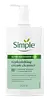 Key Ingredients
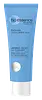
Benefits
Concerns
Ingredients Side-by-side
Water
Skin ConditioningGlycerin
Humectant


Cocamidopropyl Betaine
Cleansing


Sodium Methyl Lauroyl Taurate
CleansingGlycol Distearate
Emollient
Sodium Chloride
MaskingCocamide Mea
Emulsifying
Sclerotium Gum
Emulsion StabilisingSodium Benzoate
Masking
Guar Hydroxypropyltrimonium Chloride
Skin ConditioningCitric Acid
Buffering

Lauric Acid
Cleansing

Sodium Methyltaurate
Skin ConditioningStearic Acid
Cleansing
Cetrimonium Chloride
Antimicrobial
Panthenol
Skin Conditioning

Sodium Hydroxide
BufferingSodium Hyaluronate
Humectant

Sodium Cocoyl Alaninate
Pantolactone
Humectant
Water, Glycerin, Cocamidopropyl Betaine, Sodium Methyl Lauroyl Taurate, Glycol Distearate, Sodium Chloride, Cocamide Mea, Sclerotium Gum, Sodium Benzoate, Guar Hydroxypropyltrimonium Chloride, Citric Acid, Lauric Acid, Sodium Methyltaurate, Stearic Acid, Cetrimonium Chloride, Panthenol, Sodium Hydroxide, Sodium Hyaluronate, Sodium Cocoyl Alaninate, Pantolactone
Water
Skin ConditioningGlycerin
Humectant
Butylene Glycol
Humectant
Cocamidopropyl Betaine
Cleansing
Sodium Myristoyl Glutamate
CleansingGlycol Distearate
Emollient
Sodium Cocoyl Glycinate
Cleansing
Cocamide Methyl Mea
Acrylates Copolymer
Citric Acid
Buffering
Sodium Chloride
MaskingPEG-14m
Emulsion StabilisingNiacinamide
Smoothing





Euglena Gracilis Extract
Skin Conditioning1,2-Hexanediol
Skin Conditioning
Xanthan Gum
EmulsifyingSodium Hyaluronate
Humectant
Hyaluronic Acid
Humectant
Caprylyl Glycol
Emollient
Glucose
Humectant
Tocopherol
Antioxidant

Chondrus Crispus Extract
Skin Conditioning
Hydrolyzed Hyaluronic Acid
Humectant
Hydrolyzed Sodium Hyaluronate
Skin Conditioning
Hydroxypropyltrimonium Hyaluronate
Potassium Hyaluronate
Skin ConditioningSodium Acetylated Hyaluronate
Humectant
Sodium Hyaluronate Crosspolymer
Humectant
Phenoxyethanol
Preservative
Chlorphenesin
Antimicrobial
Potassium Sorbate
Preservative
Sodium Benzoate
Masking
Water, Glycerin, Butylene Glycol, Cocamidopropyl Betaine, Sodium Myristoyl Glutamate, Glycol Distearate, Sodium Cocoyl Glycinate, Cocamide Methyl Mea, Acrylates Copolymer, Citric Acid, Sodium Chloride, PEG-14m, Niacinamide, Euglena Gracilis Extract, 1,2-Hexanediol, Xanthan Gum, Sodium Hyaluronate, Hyaluronic Acid, Caprylyl Glycol, Glucose, Tocopherol, Chondrus Crispus Extract, Hydrolyzed Hyaluronic Acid, Hydrolyzed Sodium Hyaluronate, Hydroxypropyltrimonium Hyaluronate, Potassium Hyaluronate, Sodium Acetylated Hyaluronate, Sodium Hyaluronate Crosspolymer, Phenoxyethanol, Chlorphenesin, Potassium Sorbate, Sodium Benzoate
Ingredients Explained
These ingredients are found in both products.
Ingredients higher up in an ingredient list are typically present in a larger amount.
Citric Acid is an alpha hydroxy acid (AHA) naturally found in citrus fruits like oranges, lemons, and limes.
Like other AHAs, citric acid can exfoliate skin by breaking down the bonds that hold dead skin cells together. This helps reveal smoother and brighter skin underneath.
However, this exfoliating effect only happens at high concentrations (20%) which can be hard to find in cosmetic products.
Due to this, citric acid is usually included in small amounts as a pH adjuster. This helps keep products slightly more acidic and compatible with skin's natural pH.
In skincare formulas, citric acid can:
While it can provide some skin benefits, research shows lactic acid and glycolic acid are generally more effective and less irritating exfoliants.
Most citric acid used in skincare today is made by fermenting sugars (usually from molasses). This synthetic version is identical to the natural citrus form but easier to stabilize and use in formulations.
Read more about some other popular AHA's here:
Learn more about Citric AcidCocamidopropyl Betaine is a fatty acid created by mixing similar compounds in coconut oil and dimethylaminopropylamine, a compound with two amino groups.
This ingredient is a surfactant and cleanser. It helps gather the dirt, pollutants, and other impurities in your skin to be washed away. It also helps thicken a product and make the texture more creamy.
Being created from coconut oil means Cocamidopropyl Betaine is hydrating for the skin.
While Cocamidopropyl Betaine was believed to be an allergen, a study from 2012 disproved this. It found two compounds in unpure Cocamidopropyl Betaine to be the irritants: aminoamide and 3-dimethylaminopropylamine. High-grade and pure Cocamidopropyl Betaine did not induce allergic reactions during this study.
Learn more about Cocamidopropyl BetaineGlycerin (or glycerol) is a compound naturally found in your skin. It's a powerhouse humectant that pulls water into the stratum corneum.
Topically, glycerin does several things at once:
Your skin makes glycerin on its own (mostly from sebaceous oil breakdown) and shuttles it to your outermost layer of skin, or your epidermis, via aquaporin-3.
Aquaporin-3 is a transporter that is essential for normal skin hydration, elasticity, and repair. Interestingly, mice lacking in AQP3 have dry and less elastic skin that can be fully corrected with glycerin.
This ingredient is non-irritating, plays well with almost every ingredient, and works across all skin types. Typical use is anywhere between 3-10% but can go up to 79% in some leave-on products.
Just know very high concentrations (>40%) can feel tacky in low humidity.
Glycerin is the name for this ingredient in American English. British English uses Glycerol/Glycerine.
Learn more about GlycerinGlycol Distearate serves as a pearlizing or opacifying agent in cosmetic products.
It's often included in cleansers and haircare products to give them a lustrous or shimmering appearance.
It is derived from stearic acid, a natural fatty acid commonly found in vegetable oils and animal fats.
Glycol Distearate isn't fungal acne safe.
Learn more about Glycol DistearateSodium Benzoate is a preservative. It's used in both cosmetic and food products to inhibit the growth of mold and bacteria. It is typically produced synthetically.
Both the US FDA and EU Health Committee have approved the use of sodium benzoate. In the US, levels of 0.1% (of the total product) are allowed.
Sodium benzoate works as a preservative by inhibiting the growth of bacteria inside of cells. It prevents the cell from fermenting a type of sugar using an enzyme called phosphofructokinase.
It is the salt of benzoic acid. Foods containing sodium benzoate include soda, salad dressings, condiments, fruit juices, wines, and snack foods.
Studies for using ascorbic acid and sodium benzoate in cosmetics are lacking, especially in skincare routines with multiple steps.
We always recommend speaking with a professional, such as a dermatologist, if you have any concerns.
Learn more about Sodium BenzoateChances are, you eat sodium chloride every day. Sodium Chloride is also known as table salt. This ingredient has many purposes in skincare: thickener, emulsifier, and exfoliator.
You'll most likely find this ingredient in cleansers where it is used to create a gel-like texture. As an emulsifier, it also prevents ingredients from separating.
You might see people debate whether Sodium Chloride is comedogenic, but there actually haven't been any comedogenic tests done on it. Either way, the overall formulation of a product matters a lot more than any single ingredient.
You might see this ingredient used in scrubs as a primary exfoliating ingredient.
Learn more about Sodium ChlorideSodium Hyaluronate is the salt form of hyaluronic acid. It is a long sugar chain that is naturally found in your skin, joints, and connective tissue that maintains hydration and elasticity.
In skincare, it works as a humectant. It pulls water from the environment and deeper layers of skin and binds it to the surface.
Interestingly, the size of the molecule affects its behavior:
Some clinical evidence links low molecular weight versions to improved wrinkle depth, elasticity, anti-inflammatory effects, and barrier repair.
Many serums use a blend of both weights so you can get surface hydration plus longer-lasting and deeper effects.
You'll typically see concentrations between 0.1-2% for this ingredient.
Learn more about Sodium HyaluronateWater. It's the most common cosmetic ingredient of all. You'll usually see it at the top of ingredient lists, meaning that it makes up the largest part of the product.
So why is it so popular? Water most often acts as a solvent - this means that it helps dissolve other ingredients into the formulation.
You'll also recognize water as that liquid we all need to stay alive. If you see this, drink a glass of water. Remember to stay hydrated!
Learn more about Water
