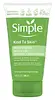
This mild cream cleanser is made to cleanse without leaving your skin tight or dry.

What's inside
What's inside
 Key Ingredients
Benefits
Concerns
Ingredients Side-by-side
Water
Skin ConditioningSodium Cocoyl Alaninate
Surfactant
Cocamidopropyl Hydroxysultaine
Cleansing
Decyl Glucoside
Cleansing
Glycerin
Humectant


Propanediol
Solvent
Glycol Distearate
Emollient

Acrylates/C10-30 Alkyl Acrylate Crosspolymer
Emulsion StabilisingSodium Benzoate
Masking
Cocamidopropyl Betaine
Cleansing

Laureth-4
Emulsifying
Capryloyl Glycine
CleansingUndecylenoyl Glycine
CleansingPanthenol
Skin Conditioning

Polyquaternium-39
Tocopheryl Acetate
Antioxidant


Water, Sodium Cocoyl Alaninate, Cocamidopropyl Hydroxysultaine, Decyl Glucoside, Glycerin, Propanediol, Glycol Distearate, Acrylates/C10-30 Alkyl Acrylate Crosspolymer, Sodium Benzoate, Cocamidopropyl Betaine, Laureth-4, Capryloyl Glycine, Undecylenoyl Glycine, Panthenol, Polyquaternium-39, Tocopheryl Acetate
Water
Skin ConditioningSodium Laureth Sulfate
Cleansing

Decyl Glucoside
Cleansing
Cocamidopropyl Betaine
Cleansing
Sodium Chloride
MaskingPEG-7 Glyceryl Cocoate
Emulsifying
Panthenol
Skin Conditioning
Glycerin
Humectant
Tocopheryl Acetate
Antioxidant
Bisabolol
Antioxidant
Polyquaternium-39
Lactic Acid
Buffering





PEG-55 Propylene Glycol Oleate
Surfactant
Propylene Glycol
Humectant
Glycol Distearate
Emollient
Laureth-4
Emulsifying
Disodium EDTA
ChelatingSodium Hydroxide
BufferingFormic Acid
Preservative
Sodium Benzoate
Masking
Water, Sodium Laureth Sulfate, Decyl Glucoside, Cocamidopropyl Betaine, Sodium Chloride, PEG-7 Glyceryl Cocoate, Panthenol, Glycerin, Tocopheryl Acetate, Bisabolol, Polyquaternium-39, Lactic Acid, PEG-55 Propylene Glycol Oleate, Propylene Glycol, Glycol Distearate, Laureth-4, Disodium EDTA, Sodium Hydroxide, Formic Acid, Sodium Benzoate
Reviews
Ingredients Explained
These ingredients are found in both products.
Ingredients higher up in an ingredient list are typically present in a larger amount.
Cocamidopropyl Betaine is a fatty acid created by mixing similar compounds in coconut oil and dimethylaminopropylamine, a compound with two amino groups.
This ingredient is a surfactant and cleanser. It helps gather the dirt, pollutants, and other impurities in your skin to be washed away. It also helps thicken a product and make the texture more creamy.
Being created from coconut oil means Cocamidopropyl Betaine is hydrating for the skin.
While Cocamidopropyl Betaine was believed to be an allergen, a study from 2012 disproved this. It found two compounds in unpure Cocamidopropyl Betaine to be the irritants: aminoamide and 3-dimethylaminopropylamine. High-grade and pure Cocamidopropyl Betaine did not induce allergic reactions during this study.
Learn more about Cocamidopropyl BetaineDecyl Glucoside is a plant-derived surfactant and emulsion stabilizer. It is created by reacting glucose with the fatty acids from plants.
Like all surfactants, it works by lowering the surface tension between water and oil. This makes it so that dirt, sebum, and makeup can be lifted off your skin and rinsed away. It also produces a dense and creamy foam.
Because it has a neutral charge, it is compatible with a wide range of ingredients and stays stable across a broad pH range/water hardiness conditions.
Patch testing has shown it to have the lowest irritation potential among common cleansing surfactants (like SLS).
Typical use levels range from 5-20% in rinse-off cleansers.
One thing worth knowing: The American Contact Dermatitis Society named the parent family, alkyl glucosides, "Allergen of the Year" in 2017. The prevalence of allergy is pretty low but be sure to patch test if you've reacted to "gentle" or sulfate-free cleansers before.
This ingredient is fungal acne safe because the fatty alcohol portion of this ingredient is not within the C11-24 chain length that Malassezia can metabolize.
Learn more about Decyl GlucosideGlycerin (or glycerol) is a compound naturally found in your skin. It's a powerhouse humectant that pulls water into the stratum corneum.
Topically, glycerin does several things at once:
Your skin makes glycerin on its own (mostly from sebaceous oil breakdown) and shuttles it to your outermost layer of skin, or your epidermis, via aquaporin-3.
Aquaporin-3 is a transporter that is essential for normal skin hydration, elasticity, and repair. Interestingly, mice lacking in AQP3 have dry and less elastic skin that can be fully corrected with glycerin.
This ingredient is non-irritating, plays well with almost every ingredient, and works across all skin types. Typical use is anywhere between 3-10% but can go up to 79% in some leave-on products.
Just know very high concentrations (>40%) can feel tacky in low humidity.
Glycerin is the name for this ingredient in American English. British English uses Glycerol/Glycerine.
Learn more about GlycerinGlycol Distearate is an emulsifier and emollient that adds a "pearly" appearance to formulations.
That lustrous look you see in many shampoos is due to this ingredient: when cooled, it crystallizes into small platelets that reflect light to give products that rich, shimmering look.
This ingredient is considered safe at present practices of use and concentration and repeated insult patch test with 50% Glycol Distearate on 125 subjects found no evidence of skin irritation, hypersensitivity, or acute toxicity.
Typical use concentrations range from 0.1-10%.
Because it's an ester of stearic acid, it falls into the range that Malassezia likes to metabolize. This ingredient may not be fungal acne safe.
Learn more about Glycol DistearateLaureth-4 is a nonionic surfactant made by attaching an average of four ethylene oxide units to Lauryl Alcohol, a fatty alcohol from coconut or palm kernel oil.
In a formula, it does two jobs:
A 2012 assessment found this ingredient is used in leave-on products at up to 21%, which is at the very high end for the category; most cosmetic use is far lower and typically in the single digits.
A true allergy to Laureth-4 is rare; similar alcohol ethoxylates tested negative for skin sensitization in undiluted guinea pig studies, and related compounds were non-sensitizing in Magnusson-Kligman maximization tests.
There is one caveat for this whole ingredient family: ethoxylated surfactants slowly oxidize when exposed to air, and it's the oxidation products, not the fresh material, that act as sensitizers. This is mostly a formulation and shelf life issue.
Dr. James Fulton's rabbit ear test from the 1980's scored this ingredient as a 5 on the comedogenic scale. Fulton himself described the rabbit ear as not an ideal model and the tests used undiluted ingredients on rabbit ears, which are more reactive than human facial skin.
Dr. Draelos later used a human assay on finished cosmetic products and found that products built with so-called comedogenic ingredients are not necessarily comedogenic themselves.
This ingredient can be potentially pore clogging if it appears high in the ingredient list of a leave-on product.
The fungal acne picture is actually reassuring: Malassezia uses fatty acids from its surroundings (C11-24). This ingredient has nothing for the Malassezia yeast to use since it is an alcohol and not an acid.
Supporting this, closely related ethoxylated alcohol detergents like Ceteth-20 get used in Malassezia lab work as neutral carriers to disperse a separately added fatty acid (not as the food source itself).
Learn more about Laureth-4Panthenol is a common ingredient that helps hydrate and soothe the skin. It is found naturally in our skin and hair.
There are two forms of panthenol: D and L.
D-panthenol is also known as dexpanthenol. Most cosmetics use dexpanthenol or a mixture of D and L-panthenol.
Panthenol is famous due to its ability to go deeper into the skin's layers. Using this ingredient has numerous pros (and no cons):
Like hyaluronic acid, panthenol is a humectant. Humectants are able to bind and hold large amounts of water to keep skin hydrated.
This ingredient works well for wound healing. It works by increasing tissue in the wound and helps close open wounds.
Once oxidized, panthenol converts to pantothenic acid. Panthothenic acid is found in all living cells.
This ingredient is also referred to as pro-vitamin B5.
Learn more about PanthenolWe don't have a description for Polyquaternium-39 yet.
Sodium Benzoate is a preservative. It's used in both cosmetic and food products to inhibit the growth of mold and bacteria. It is typically produced synthetically.
Both the US FDA and EU Health Committee have approved the use of sodium benzoate. In the US, levels of 0.1% (of the total product) are allowed.
Sodium benzoate works as a preservative by inhibiting the growth of bacteria inside of cells. It prevents the cell from fermenting a type of sugar using an enzyme called phosphofructokinase.
It is the salt of benzoic acid. Foods containing sodium benzoate include soda, salad dressings, condiments, fruit juices, wines, and snack foods.
Studies for using ascorbic acid and sodium benzoate in cosmetics are lacking, especially in skincare routines with multiple steps.
We always recommend speaking with a professional, such as a dermatologist, if you have any concerns.
Learn more about Sodium BenzoateTocopheryl Acetate is a stable, shelf-friendly form of vitamin E.
Formulators love it because plain vitamin E oxidizes quickly once it hits air. This acetate version stays stable and resists going off, helping to extend a product's shelf life.
It's actually inactive on its own and works like a slow-release "storage" form; the enzymes in your skin called esterases gradually convert it into active vitamin E over time.
One in vivo study showed 5% of the acetate in the living layer of the epidermis converted to vitamin E after 5 days of application. This study also found the skin gained protection against UV damage even though the conversion was slow and small.
Once converted, vitamin E acts as a skin's main fat-soluble antioxidant that fights free radicals to protect skin from damage.
Topical vitamin E generally boosts the skin's photoprotection, and it reduced UV-damage in animal models.
This ingredient has some brightening potential but it's more of a prevention ingredient than spot-fader. Cell studies show it can slow down melanin production but it's worth noting that it's not the most powerful brightener out there.
Overall, it has a pretty solid safety profile and has been found to be non-irritating and non-comedogenic. Allergic reactions may happen but stay rare due to how widely the ingredient gets used.
The concentration will vary depending on the formula; industry data shows 0.1% in baby lotions, 3% in lipsticks, and 5% in foot powders. You can also find this ingredient at 100% in a pure vitamin E oil.
Most leave-on skincare keeps it at the lower end, often between 0.5-1%.
Learn more about Tocopheryl AcetateWater. It's the most common cosmetic ingredient of all. You'll usually see it at the top of ingredient lists, meaning that it makes up the largest part of the product.
So why is it so popular? Water most often acts as a solvent - this means that it helps dissolve other ingredients into the formulation.
You'll also recognize water as that liquid we all need to stay alive. If you see this, drink a glass of water. Remember to stay hydrated!
Learn more about Water

