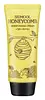
This calming moisturizer is formulated around Honey Extract and Propolis Extract to calm redness and hydrate skin.
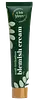
This calming moisturizer is formulated around Aloe Barbadensis Leaf Juice and Niacinamide to calm redness and clear breakouts.


What's inside
What's inside
 Key Ingredients
Benefits
Concerns
No concerns
Ingredients Side-by-side
Honey Extract
Humectant
Propolis Extract
Skin Conditioning




Glycerin
Humectant
Butylene Glycol
Humectant
1,2-Hexanediol
Skin Conditioning
Trehalose
Humectant
Hydrogenated Lecithin
Emulsifying
Bioflavonoids
Skin ConditioningPortulaca Oleracea Extract
Skin Conditioning
Crinum Asiaticum Extract
Skin ConditioningMorus Alba Bark Extract
Skin ConditioningSaururus Chinensis Extract
Skin ConditioningHippophae Rhamnoides Fruit Extract
Skin Conditioning
Glycyrrhiza Glabra Root Extract
Bleaching

Sodium Hyaluronate
Humectant
Hyaluronic Acid
Humectant
Biosaccharide Gum-1
Humectant
Heptyl Undecylenate
EmollientEthylhexylglycerin
Skin ConditioningCaprylic/Capric Triglyceride
Masking
Tocopherol
Antioxidant

Allantoin
Skin Conditioning
Dipotassium Glycyrrhizate
Humectant
Honey Extract, Propolis Extract, Glycerin, Butylene Glycol, 1,2-Hexanediol, Trehalose, Hydrogenated Lecithin, Bioflavonoids, Portulaca Oleracea Extract, Crinum Asiaticum Extract, Morus Alba Bark Extract, Saururus Chinensis Extract, Hippophae Rhamnoides Fruit Extract, Glycyrrhiza Glabra Root Extract, Sodium Hyaluronate, Hyaluronic Acid, Biosaccharide Gum-1, Heptyl Undecylenate, Ethylhexylglycerin, Caprylic/Capric Triglyceride, Tocopherol, Allantoin, Dipotassium Glycyrrhizate
Water
Skin ConditioningAloe Barbadensis Leaf Juice
Skin Conditioning
Cetearyl Alcohol
Emollient





Polysorbate 60
Emulsifying
Niacinamide
Smoothing



Squalane
Emollient
Prunus Avium Seed Oil
Emollient
Vitis Vinifera Seed Oil
Emollient
Borago Officinalis Seed Oil
Emollient
Avena Sativa Kernel Oil
Skin Conditioning
Caprylic/Capric Triglyceride
Masking
Allantoin
Skin Conditioning
Piroctone Olamine
Preservative
Ascorbyl Tetraisopalmitate
Antioxidant
Panthenol
Skin Conditioning
Glyceryl Caprylate
EmollientXanthan Gum
EmulsifyingPolygonum Cuspidatum Extract
Skin ConditioningVanilla Planifolia Fruit Extract
Skin Conditioning
Citric Acid
Buffering
Tocopherol
Antioxidant
Humulus Lupulus Extract
AntimicrobialWater, Aloe Barbadensis Leaf Juice, Cetearyl Alcohol, Polysorbate 60, Niacinamide, Squalane, Prunus Avium Seed Oil, Vitis Vinifera Seed Oil, Borago Officinalis Seed Oil, Avena Sativa Kernel Oil, Caprylic/Capric Triglyceride, Allantoin, Piroctone Olamine, Ascorbyl Tetraisopalmitate, Panthenol, Glyceryl Caprylate, Xanthan Gum, Polygonum Cuspidatum Extract, Vanilla Planifolia Fruit Extract, Citric Acid, Tocopherol, Humulus Lupulus Extract
Ingredients Explained
These ingredients are found in both products.
Ingredients higher up in an ingredient list are typically present in a larger amount.
Allantoin is a soothing ingredient known for its protective and moisturizing properties; it's basically a quiet workhorse ingredient you can find in a huge range of cosmetics.
Though it can be derived from the comfrey plant, allantoin is produced synthetically for cosmetic products to ensure purity.
Research shows it can encourage your skin cells to turn over and renew by stimulating keratinocyte and fibroblast proliferation.
It also has mild keratolytic properties to help loosen and shed dead skin cells without being harsh.
Studies also suggest allantoin can help calm inflammation by dialing down some of the chemical signals your skin sends out when it is irritated.
This ingredient is typically used in the 0.1-0.5% range, and the FDA recognizes it as a skin protectant in OTC products up to 2%.
Overall, allantoin is a wonderful addition to most routines; it is stable across a wide pH range (~4-8), works well with other ingredients, and is considered non-sensitizing/non-irritating.
Fun fact: Allantoin is naturally occurring in comfrey root, beets, chamomile, and wheat sprouts. Our bodies even produce it as a byproduct of uric acid metabolism.
Learn more about AllantoinCaprylic/Capric Triglyceride (aka MCT Oil) is a lightweight emollient, solvent, and texture enhancer. It is considered a skin-softener by helping to prevent moisture loss.
Though it behaves like an oil, it is not technically one due to its chemical composition. One perk of this ingredient is that it is very stable, resistant to oxidation, and unlikely to go rancid.
In practice, that translates to a long shelf life and a consistently elegant skin feel.
While there is an assumption Caprylic Triglyceride can clog pores due to it being derived from coconut oil, there is no research supporting this. Just patch test if you have concerns.
Fractionated coconut oil and MCT Oil are both listed as Caprylic/Capric Triglyceride according to INCI. This is because INCI names are based on the ingredient’s final chemical composition and not its marketing name or source.
This ingredient is treated as the gold standard fungal acne safe oil. Even though it is coconut derived, the problematic lauric acid is stripped out.
This leaves just caprylic (C8) and capric (C10) acid. These chain lengths actually trend antifungal; a 2020 study found caprylic acid was enough to disrupt Malassezia furfur cell membrane, with a caprylic acid derivative damaging membrane structures at concentrations as low as 0.2%.
Learn more about Caprylic/Capric TriglycerideTocopherol is a fat-soluble antioxidant known as Vitamin E.
You'll find this ingredient in the vast majority of skincare (for good reason). It works to neutralize free radicals, or unstable molecules generated by UV exposure, pollution, and other environmental stressors, before they can cause oxidative damage to your skin cells.
Topically applied tocopherol has been shown to protect against UV damage by ramping up the skin's own natural defense enzymes.
It also acts as a skin conditioning agent; some studies show that regular topical use can improve the skin's water-binding capacity over 2-4 weeks.
This ingredient is especially loved for being a team player. When combined with Vitamin C, the photoprotective effect of both ingredients roughly doubles and the combo also helps reduce UV-induced DNA damage.
This ingredient has some brightening potential but it's more of a prevention ingredient than spot-fader. Cell studies show it can slow down melanin production but it's worth noting that it's not the most powerful brightener out there.
In formulations, it also serves as a stabilizer that helps protect other oxidation-prone ingredients from degrading.
Concentrations usually range from 0.1-1% in most leave-on products.
Learn more about Tocopherol

