
What's inside
What's inside
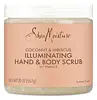 Key Ingredients
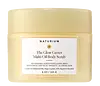
No key ingredients
Benefits
Concerns
Ingredients Side-by-side
Sucrose
Humectant
Glycerin
Humectant

Carthamus Tinctorius Seed Oil
Masking


Parfum
Masking



Glyceryl Caprylate
EmollientButyrospermum Parkii Butter
Skin Conditioning

Cocos Nucifera Oil
Masking
Hibiscus Sabdariffa Leaf
Skin ConditioningMangifera Indica Seed Butter
Skin Conditioning
Theobroma Cacao Seed Butter
Emollient
Simmondsia Chinensis Seed Oil
Emollient
Olea Europaea Fruit Oil
Masking
Tocopheryl Acetate
Antioxidant


Glyceryl Undecylenate
Emollient
Sucrose, Glycerin, Carthamus Tinctorius Seed Oil, Parfum, Glyceryl Caprylate, Butyrospermum Parkii Butter, Cocos Nucifera Oil, Hibiscus Sabdariffa Leaf, Mangifera Indica Seed Butter, Theobroma Cacao Seed Butter, Simmondsia Chinensis Seed Oil, Olea Europaea Fruit Oil, Tocopheryl Acetate, Glyceryl Undecylenate
Sucrose
Humectant
Glycerin
Humectant
Water
Skin ConditioningPropanediol
Solvent
Carthamus Tinctorius Seed Oil
Masking
Caprylic/Capric Triglyceride
Masking
Hydroxyethyl Acrylate/Sodium Acryloyldimethyl Taurate Copolymer
Emulsion StabilisingCocos Nucifera Oil
Masking
Hippophae Rhamnoides Seed Oil
Skin Protecting
Cocos Nucifera Fruit Extract
Emollient
Simmondsia Chinensis Seed Oil
Emollient
Squalane
Emollient
Pyrus Malus Fruit Extract
Skin Conditioning
Rosa Canina Seed Oil
Emollient
Gardenia Jasminoides Fruit Extract
Cosmetic ColorantVanilla Planifolia Fruit Extract
Skin Conditioning
Butyrospermum Parkii Butter
Skin Conditioning
Sodium Lauroyl Methyl Isethionate
CleansingC13-14 Alkane
SolventPolyglyceryl-10 Tristearate
Skin Conditioning
C15-23 Alkane
SolventDecyl Glucoside
Cleansing
Gamma-Decalactone
Perfuming
Gamma-Nonalactone
Masking
Tetrasodium Glutamate Diacetate
ChelatingMaltodextrin
Absorbent
Trisodium Ethylenediamine Disuccinate
ChelatingEthylhexylglycerin
Skin ConditioningSodium Benzoate
Masking
Phenoxyethanol
Preservative
Limonene
Perfuming
Vanillin
Masking
Sucrose, Glycerin, Water, Propanediol, Carthamus Tinctorius Seed Oil, Caprylic/Capric Triglyceride, Hydroxyethyl Acrylate/Sodium Acryloyldimethyl Taurate Copolymer, Cocos Nucifera Oil, Hippophae Rhamnoides Seed Oil, Cocos Nucifera Fruit Extract, Simmondsia Chinensis Seed Oil, Squalane, Pyrus Malus Fruit Extract, Rosa Canina Seed Oil, Gardenia Jasminoides Fruit Extract, Vanilla Planifolia Fruit Extract, Butyrospermum Parkii Butter, Sodium Lauroyl Methyl Isethionate, C13-14 Alkane, Polyglyceryl-10 Tristearate, C15-23 Alkane, Decyl Glucoside, Gamma-Decalactone, Gamma-Nonalactone, Tetrasodium Glutamate Diacetate, Maltodextrin, Trisodium Ethylenediamine Disuccinate, Ethylhexylglycerin, Sodium Benzoate, Phenoxyethanol, Limonene, Vanillin
Ingredients Explained
These ingredients are found in both products.
Ingredients higher up in an ingredient list are typically present in a larger amount.
This ingredient is also known as shea butter. It is a plant-derived extract from the nuts of the Africa shea tree and one of the most well-studied emollients.
Because it has a high concentration of fatty acids (primarily oleic, stearic, and linoleic) it is able to form a protective barrier on the skin's surface. This helps seal in moisture and prevents transepidermal water loss (TEWL).
In vitro research found an increase in skin hydration by 58% and a decrease in TEWL by 37.8% after 24 hours of applying this ingredient (pretty impressive for a single ingredient!).
Besides hydration, shea butter also contains triterpenes that have anti-inflammatory potential. In particule, lupeol cinnamate has shown the highest anti-inflammatory activity in vivo.
Shea butter also contains vitamins A and E which may contribute to antioxidant activity.
While Shea Butter has an SPF rating of about 3-4, it is not a sunscreen replacement.
This ingredient may not be fungal acne safe because its fatty acids fall within the C11-C24 range that the Malassezia yeast can metabolize.
This ingredient shows up on a lot of "pore-clogging" lists but there's no real evidence behind that. It doesn't even have a comedogenic rating from an actual study; the numbers you'll find online come from blogs citing other blogs.
Ratings for other ingredients mostly come from a 1980s rabbit ear test. This test doesn't translate well to human skin or to real products because the ingredient sits at a much lower percentage.
Some people still find it breaks them out. So if that's you, definitely trust your skin. Just know this one's based on experience and not evidence.
Learn more about Butyrospermum Parkii ButterCarthamus Tinctorius Seed Oil comes from the seeds of the safflower plant. It is a skin conditioning agent that helps soften skin and keep it hydrated.
This seed oil has an unusual fatty acid profile: it is one of the highest linoleic acid plant oils out there (~55-77%). It also has low amounts of oleic acid, and this high-linoleic/low-oleic ratio gets people excited.
Linoleic acid helps maintain skin barrier integrity and is a building block for the ceramides in your stratum corneum. Notably, people with acne tend to have lower linoleic acid in their skin lipids as well (and this gets worse as acne gets more severe).
Overall, it's a lightweight, fast-absorbing oil that has a long safety track record. Lab testing has found it to be non-irritating for skin or eyes.
The Malassezia yeast can metabolize the fatty acids in this oil to grow; therefore this ingredient may not be fungal acne safe.
Learn more about Carthamus Tinctorius Seed OilThis ingredient is also known as coconut oil. It is a plant-derived ingredient with skin conditioning properties.
The fatty acid profile of coconut oil is mostly lauric acid (~54%), followed by capric, caprylic, palmitic, and myristic acids. This profile allows it to penetrate easily into skin, moisturize, and improve dry skin.
A double-blind study confirmed that extra virgin coconut oil is as effective as mineral oil for treating very dry skin. Another study found it outperformed mineral oil for mild to moderate atopic dermatitis in children.
Another study from 2018 found that virgin coconut oil can soothe inflammation and boost key skin barrier proteins. Just know this evidence is still only from lab settings and not human trials.
It has also been shown to reduce Staphylococcus aureus, a bacteria that commonly overgrows in people with eczema.
Clinical testing shows very minimal skin irritation and no evidence of sensitization or phototoxicity.
Coconut oil gets flagged as a "fragrance" because it has a natural mild scent (not because it's a synthetic perfume). The European Cosmetic ingredient database also lists "perfuming" as a function of this ingredient.
Just so you know, the term "fragrance" is completely unregulated. Some brands still use botanical extracts or essential oils in their "fragrance-free" formulas, but regulatory databases technically classify these under "fragrance".
Coconut oil has a tiny and useless bit of natural SPF. Early lab studies clocked it around SPF 7-8 but a more recent study found the real number closer to SPF 1.2. It also offers no meaningful UVA protection (SPF only overs UVB rays).
The comedogenic rating of 4/5 means it has a high potential to clog pores; but it's worth noting that comedogenicity is highly individual and ratings cannot predict how an overall formula will behave on skin.
Since lauric acid is the dominant fatty acid, this ingredient may not be fungal acne safe. The Malassezia yeast feeds on fatty acids with carbon chain lengths between 11-24, and lauric acid falls within these lengths (C12).
Learn more about Cocos Nucifera OilGlycerin (or glycerol) is a compound naturally found in your skin. It's a powerhouse humectant that pulls water into the stratum corneum.
Topically, glycerin does several things at once:
Your skin makes glycerin on its own (mostly from sebaceous oil breakdown) and shuttles it to your outermost layer of skin, or your epidermis, via aquaporin-3.
Aquaporin-3 is a transporter that is essential for normal skin hydration, elasticity, and repair. Interestingly, mice lacking in AQP3 have dry and less elastic skin that can be fully corrected with glycerin.
This ingredient is non-irritating, plays well with almost every ingredient, and works across all skin types. Typical use is anywhere between 3-10% but can go up to 79% in some leave-on products.
Just know very high concentrations (>40%) can feel tacky in low humidity.
Glycerin is the name for this ingredient in American English. British English uses Glycerol/Glycerine.
Learn more about GlycerinJojoba oil is one of the most well-studied plant-derived ingredients in cosmetics. It is an emollient with a special structure.
Because it is made up of 97-98% wax esters, it closely mirrors the linear monoesters found in human sebum. This makes it skin compatible, non-greasy, and lightweight.
Unlike other plant oils, jojoba wax doesn't easily penetrate skin. It mostly works in the uppermost layers as an emollient. This just means it forms a light barrier on the skin to help retain moisture.
Formulations with jojoba esters up to 90% reduced transepidermal water loss (TEWL) and increased barrier recovery by 81% (outperforming bisabolol at 47%).
Besides barrier support, the science also suggests jojoba to have anti-inflammatory effects and potential applications for skin infections, aging, and wound healing.
Fun fact: Indigenous cultures have used jojoba as a moisturizer and to help treat burns for centuries.
Fungal acne: The Malassezia yeast is known to metabolize fatty acids in the C11-24 range and jojoba's dominant fatty acid components fall into this range. This ingredient may not be fungal acne safe.
Learn more about Simmondsia Chinensis Seed OilSucrose is a natural sugar found in fruits, vegetables, and nuts. It is the main constituent of white sugar.
In skincare, sucrose is a humectant and can be a mild exfoliant.
Sucrose is hydrophilic, meaning it attracts water. This makes it an effective humectant and helps hydrate the skin.
Studies show sugars may worsen acne-prone skin due to it disrupting the skin's natural biome. We recommend speaking with a professional if you have any concerns.
In some products such as body scrubs, sucrose is used as an gentle exfoliant.
The term 'sucrose' comes from the french word for sugar, 'sucre'.
Learn more about Sucrose

