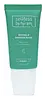
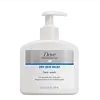
Selfless by Hyram Retinol & Rainbow Algae Repair Serum Versus Dove DermaSeries Dry Skin Relief Milky Face Wash
This anti-aging serum is formulated around Tranexamic Acid and Retinol to soften the look of wrinkles and fade the look of dark spots.

What's inside
What's inside
 Key Ingredients
Benefits
Concerns
Ingredients Side-by-side
Water
Skin ConditioningSqualane
Emollient


Triolein
Skin Conditioning

Glycerin
Humectant
Glyceryl Oleate Citrate
Emulsifying
Tranexamic Acid
Astringent




Caprylic/Capric Triglyceride
Masking
Magnesium Aluminum Silicate
Absorbent
Phenoxyethanol
Preservative
Xanthan Gum
EmulsifyingBenzyl Alcohol
Perfuming





Phospholipids
Skin Conditioning
Retinol
Skin Conditioning



Sodium Gluconate
ChelatingSodium Citrate
BufferingCitric Acid
Buffering
Ethylhexylglycerin
Skin ConditioningCystoseira Tamariscifolia Extract
Skin Conditioning
Tocopherol
Antioxidant

Water, Squalane, Triolein, Glycerin, Glyceryl Oleate Citrate, Tranexamic Acid, Caprylic/Capric Triglyceride, Magnesium Aluminum Silicate, Phenoxyethanol, Xanthan Gum, Benzyl Alcohol, Phospholipids, Retinol, Sodium Gluconate, Sodium Citrate, Citric Acid, Ethylhexylglycerin, Cystoseira Tamariscifolia Extract, Tocopherol
Water
Skin ConditioningPetrolatum
Emollient

Stearic Acid
Cleansing
Paraffinum Liquidum
Emollient
Glycol Stearate
Emollient
PEG-8 Dilaurate
Emulsifying
Triethanolamine
BufferingPhenoxyethanol
Preservative
Glyceryl Stearate
Emollient
Caprylyl Glycol
Emollient
Cetyl Alcohol
Emollient
Carbomer
Emulsion StabilisingMagnesium Aluminum Silicate
Absorbent
Disodium EDTA
ChelatingDimethicone
Emollient
Stearamide Amp
Foam BoostingPolysorbate 20
Emulsifying
Silk Amino Acids
HumectantAscorbic Acid
Antioxidant
Panthenol
Skin Conditioning
Tocopheryl Acetate
Antioxidant
Biotin
AntiseborrhoeicNiacinamide
Smoothing
CI 77891
Cosmetic ColorantWater, Petrolatum, Stearic Acid, Paraffinum Liquidum, Glycol Stearate, PEG-8 Dilaurate, Triethanolamine, Phenoxyethanol, Glyceryl Stearate, Caprylyl Glycol, Cetyl Alcohol, Carbomer, Magnesium Aluminum Silicate, Disodium EDTA, Dimethicone, Stearamide Amp, Polysorbate 20, Silk Amino Acids, Ascorbic Acid, Panthenol, Tocopheryl Acetate, Biotin, Niacinamide, CI 77891
Reviews
Ingredients Explained
These ingredients are found in both products.
Ingredients higher up in an ingredient list are typically present in a larger amount.
Magnesium Aluminum Silicate is a type of silica. It comes from naturally occuring minerals such as silicate ores and clay.
Magnesium aluminum silicate is used for enhancing texture and as an absorbent. Due to its large molecular size, it is unable to be absorbed into the skin.
Like other types of silica, this ingredient can be used to thicken a product. As an absorbent, it may be used to absorb extra water or help prevent clumping.
Although “aluminum” in an ingredient name can raise red flags for some consumers, the form and usage context matter significantly. For typical topical applications, there is no substantial evidence of health risks - such as cancer, neurotoxicity, or systemic “aluminum overload.”
Learn more about Magnesium Aluminum SilicatePhenoxyethanol is one of the most widely used preservatives in skincare (and for good reason!).
It has a large spectrum of antimicrobial activity and especially effective bacteria, yeast, and mold while only having a weak effect on your skin's natural microbiome.
On a cellular level, it disrupts the cell membranes of microbes by poking holes that make the cell leak. This shuts down the chemical reactions the microbe needs to make energy so it can no longer survive.
Another perk of this ingredient is that it stays functional across a wide pH range (3-10).
You'll often see it paired with boosters like Ethylhexylglycerin; one study showed that a 1:9 ratio of Ethylhexylglycerin to Phenoxyethanol damages bacterial membranes as effectively as doubling the Phenoxyethanol concentration on its own.
Typical use concentrations range from 0.3-1% depending on the formula, and this ingredient is capped at 1% int the EU.
Safety-wise, the fear mongering does not hold up to the evidence. The EU's Scientific Committee on Consumer Safety and FDA consider it safe as a preservative at up to 1%, including for children of all ages.
Adverse systemic effects only showed up in animal studies at exposures roughly 200x higher than what people get from cosmetics. And despite its very widespread use, this ingredient is a rare sensitizer and allergic reactions are uncommon.
Learn more about PhenoxyethanolWater. It's the most common cosmetic ingredient of all. You'll usually see it at the top of ingredient lists, meaning that it makes up the largest part of the product.
So why is it so popular? Water most often acts as a solvent - this means that it helps dissolve other ingredients into the formulation.
You'll also recognize water as that liquid we all need to stay alive. If you see this, drink a glass of water. Remember to stay hydrated!
Learn more about Water

